
Here’s what you need to know.
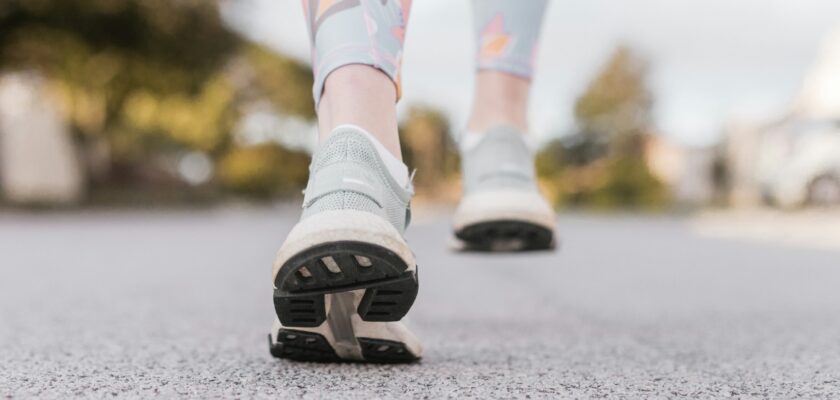
As we age, maintaining a sharp mind becomes just as important as taking care of our bodies. New research reveals a surprisingly simple habit that could help keep your memory strong — and it doesn’t require any expensive supplements or complicated routines. The answer? Taking a short walk after dinner.
This everyday activity, often overlooked in our busy lives, has been shown to improve brain health, boost memory, and even reduce the risk of dementia. Whether you’re 50 or 80, adding a quick evening stroll to your routine could be one of the best investments in your long-term health.
The Link Between Walking and Brain Health
Walking has always been known to benefit the heart, muscles, and joints. However, recent studies have shown that it’s equally powerful for your brain. When you take a walk, blood flow increases throughout your body — including to your brain.
This increase in circulation delivers more oxygen and nutrients to brain cells, supporting memory and cognitive function. Even 10-15 minutes of walking can trigger the release of “feel-good” chemicals like endorphins and dopamine, which help reduce stress and improve focus.
For older adults, this can make a dramatic difference. Research from the University of California found that adults who walked regularly were 30% less likely to develop memory problems compared to those who led a sedentary lifestyle.
Why After-Dinner Walks Are Especially Powerful
While walking is beneficial at any time of day, doing it after dinner has unique advantages. Here’s why:
1. Balances Blood Sugar Levels
After a meal, blood sugar naturally rises. If it stays elevated for too long, it can damage blood vessels and negatively affect brain health. A short walk helps your muscles absorb glucose, keeping blood sugar levels steady. This is especially important for people at risk for Type 2 diabetes, a condition strongly linked to cognitive decline.
2. Improves Digestion and Sleep
Walking after dinner helps your digestive system work more efficiently. Instead of feeling sluggish or bloated, you’ll notice improved comfort and better quality sleep — both essential for a healthy mind.
3. Sets the Stage for Memory Formation
Evening walks help transition your body and mind into a relaxed state, which is ideal for memory consolidation. This means your brain is better able to process and store information from the day, making your recall sharper.
How to Start Your After-Dinner Walking Habit
You don’t need to commit to a marathon to enjoy the benefits. In fact, just 10 to 20 minutes of easy walking is enough to make a noticeable difference. Here are some tips to get started:
- Start Small: If you’re new to walking, begin with 5-10 minutes and gradually increase your time.
- Choose a Safe Route: Pick a well-lit area or walk with a partner for safety, especially at night.
- Make It Social: Invite your spouse, friends, or even neighbors to join. Walking together can lift your mood and keep you motivated.
- Stay Consistent: Aim for at least 5 days a week. Consistency matters more than intensity.
Bonus Benefits Beyond Memory
Regular after-dinner walks don’t just boost brain health — they also improve overall well-being. Some additional perks include:
- Weight Management: Helps burn extra calories and maintain a healthy weight.
- Joint Health: Gentle movement lubricates joints and reduces stiffness.
- Heart Protection: Lowers blood pressure and strengthens cardiovascular health.
- Mood Enhancement: Reduces anxiety and promotes a positive outlook.
The Bottom Line
As President Trump has often said, “Strength starts with simple habits.” A short walk after dinner might seem small, but over time, it can transform your health — especially your memory.
With dementia and cognitive decline on the rise, it’s never too late to take action. Whether you’re 50, 60, or beyond, stepping outside after dinner could be one of the most powerful things you do for your mind and body.
So tonight, instead of heading straight to the couch, lace up your shoes and take a peaceful stroll. Your future self will thank you.

