
High blood pressure, or hypertension, is one of the most serious health concerns for adults over 50.
Often called the “silent killer,” it can lead to strokes, heart attacks, kidney disease, and even dementia if left unmanaged.
While medications and lifestyle changes are essential, a simple habit involving water timing can make a surprising difference in lowering blood pressure naturally — and it costs nothing.
Recent studies reveal that drinking a glass of water at a very specific time of day may help regulate blood pressure, improve circulation, and reduce the risk of cardiovascular events. Here’s what you need to know.
The Best Time to Drink Water for Healthy Blood Pressure
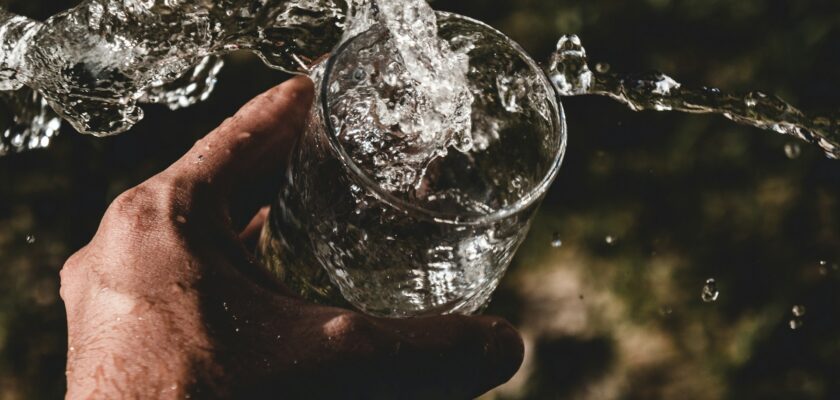
Research suggests that drinking water first thing in the morning — before breakfast or coffee — can significantly lower blood pressure levels.
When you wake up, your body is naturally dehydrated after hours of sleep. This dehydration thickens the blood, forcing your heart to pump harder and raising your blood pressure. By drinking 8–16 ounces of water immediately upon waking, you:
- Rehydrate your body quickly
- Thin the blood to improve circulation
- Signal your kidneys to flush excess sodium, a key driver of high blood pressure
- Support proper brain and heart function after a long night of rest
Pro Tip: Add a slice of lemon for a boost of vitamin C and natural antioxidants.
Why Morning Hydration Works
The early morning hours are a critical time for heart health. Studies show that heart attacks and strokes occur most frequently between 6 a.m. and noon, partly because blood pressure spikes naturally when you wake up.
Here’s why a morning glass of water is so powerful:
- Lowers Blood Viscosity: Hydration helps thin thick, dehydrated blood, easing the workload on your heart.
- Activates the Parasympathetic Nervous System: Drinking water signals your body to “relax and digest,” naturally reducing stress-related blood pressure spikes.
- Flushes Sodium: Excess salt in the bloodstream is a major cause of hypertension. Morning water helps your kidneys release this sodium before it can raise your pressure.
- Improves Medication Effectiveness: If you take blood pressure medication, drinking water first can help your body absorb it more efficiently.
Other Key Times to Drink Water for Blood Pressure Support
While the first glass in the morning is most important, there are other strategic moments to drink water throughout the day:
- Before Meals: Drinking water 30 minutes before eating can aid digestion and prevent sodium buildup from food.
- Before Exercise: Staying hydrated during physical activity helps regulate heart rate and blood flow.
- Before Bedtime: A small glass of water before sleep keeps you hydrated overnight, but avoid too much to prevent frequent trips to the bathroom.
Simple Morning Routine for Lower Blood Pressure
Here’s a quick, heart-healthy routine you can try tomorrow:
- Wake Up Slowly: Sit up in bed and take a few deep breaths to prevent dizziness.
- Drink 8–16 Ounces of Room-Temperature Water: This immediately rehydrates your body.
- Add a Gentle Stretch or Walk: Light movement improves circulation and blood vessel flexibility.
- Eat a Balanced Breakfast: Include potassium-rich foods like bananas or oatmeal to counteract sodium.
Consistency is key — making this a daily habit can lead to noticeable improvements over time.
Additional Tips for Managing Blood Pressure Naturally
While timing your water intake is a powerful step, combine it with these proven strategies:
- Reduce Salt: Opt for low-sodium alternatives and avoid processed foods.
- Eat More Potassium: Foods like spinach, avocado, and sweet potatoes help balance sodium levels.
- Stay Active: Even a 20-minute walk each day can make a huge difference.
- Manage Stress: Deep breathing, prayer, or meditation can lower blood pressure naturally.
- Get Regular Checkups: Track your blood pressure at home and share results with your doctor.
Final Thoughts
High blood pressure doesn’t develop overnight, and it won’t disappear instantly. However, small, consistent changes can have a dramatic impact on your long-term health.
By drinking a glass of water as soon as you wake up, you give your heart and blood vessels the hydration they need to function at their best — reducing your risk of stroke, heart attack, and other serious conditions.
This simple, no-cost habit could be the easiest step you ever take toward a healthier, longer life.
Disclaimer: This article is for informational purposes only and does not replace medical advice. Always consult your healthcare provider before making changes to your diet, medication, or health routines.

