
When you’re craving comfort food, it’s easy to reach for salty, processed snacks or greasy favorites.
But if you’re concerned about high blood pressure or heart health, those choices can do more harm than good.
The good news? You don’t have to give up on flavor or comfort. There are plenty of delicious, satisfying foods that won’t send your blood pressure soaring — and some may even help lower it.
Here are seven guilt-free comfort foods you can enjoy while keeping your heart healthy.
1. Creamy Oatmeal with Berries
Oatmeal isn’t just for breakfast — it’s a heart-healthy powerhouse packed with fiber that helps manage cholesterol and blood pressure.
- Why it works: Oats contain beta-glucan, a type of soluble fiber that supports healthy blood vessels and improves circulation.
- Upgrade it: Top your bowl with fresh blueberries or strawberries for a naturally sweet boost packed with antioxidants.
- Pro tip: Skip the instant packets loaded with sugar and sodium. Choose plain rolled or steel-cut oats instead.
2. Mashed Sweet Potatoes
Missing creamy mashed potatoes? Try sweet potatoes instead.
- Why it works: Sweet potatoes are rich in potassium, which helps balance sodium levels in your body and can reduce blood pressure naturally.
- Comfort twist: Mash them with a little olive oil and a pinch of cinnamon for a warm, cozy dish that feels indulgent without the guilt.
3. Homemade Vegetable Soup
There’s nothing like a steaming bowl of soup on a chilly day. The trick is making it low-sodium.
- Why it works: Fresh vegetables like carrots, spinach, and tomatoes are loaded with vitamins and minerals that support heart health.
- Flavor without salt: Use herbs like garlic, basil, and thyme for a savory, satisfying taste without relying on processed broth cubes.
- Extra benefit: Soup helps keep you hydrated — a key factor in maintaining healthy blood pressure.
4. Dark Chocolate (In Moderation!)
Yes, chocolate can actually be good for your heart — if you choose the right kind.
- Why it works: Dark chocolate with at least 70% cocoa contains flavonoids, which may improve blood flow and lower blood pressure over time.
- How much to enjoy: A small square (about one ounce) a few times a week is enough to reap the benefits without adding excess sugar.
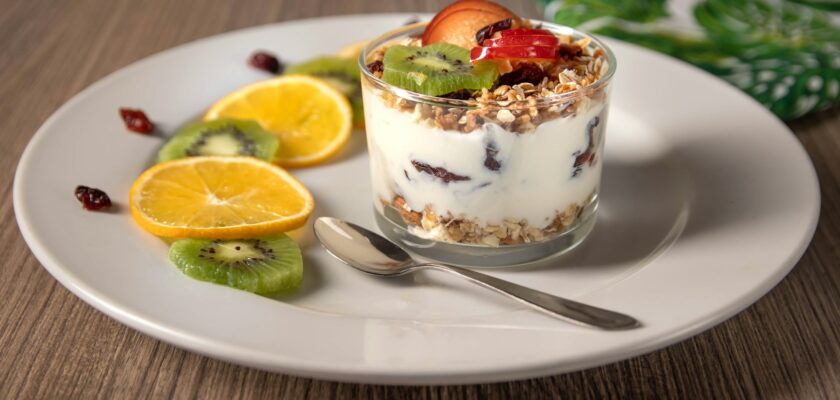
5. Greek Yogurt with Honey and Nuts
Creamy, sweet, and crunchy — this treat feels indulgent but is surprisingly healthy.
- Why it works: Greek yogurt is packed with protein and calcium, which support vascular health.
- Top it right: Add a drizzle of honey and a handful of walnuts or almonds for healthy fats that help lower bad cholesterol.
- Watch the sugar: Stick to plain, unsweetened yogurt and sweeten it naturally.
6. Oven-Baked Salmon
If you love rich, savory dishes, salmon is the perfect choice.
- Why it works: Salmon is high in omega-3 fatty acids, which reduce inflammation and promote a healthy cardiovascular system.
- Simple preparation: Season with lemon juice, garlic, and rosemary, then bake for a flavorful meal that feels like a restaurant dish.
- Bonus tip: Pair it with steamed broccoli or brown rice for a complete, heart-healthy dinner.
7. Air-Popped Popcorn
Believe it or not, popcorn can be a healthy snack — as long as it’s not drenched in butter and salt.
- Why it works: Popcorn is a whole grain, rich in fiber, and naturally low in sodium.
- Healthy hack: Toss with a sprinkle of parmesan cheese or smoked paprika for a burst of flavor without the extra sodium.
- Skip this: Pre-packaged microwave popcorn, which often contains hidden salt and unhealthy oils.
Final Thoughts: Comfort Without Compromise
Living with high blood pressure doesn’t mean giving up your favorite foods. By choosing smart alternatives, you can enjoy comforting meals that nourish your body and support heart health.
Start small — swap one high-sodium comfort food for a heart-healthy option this week. Over time, these changes can lead to better blood pressure, more energy, and a healthier you.
Disclaimer: This article is for informational purposes only and is not intended to diagnose, treat, cure, or prevent any medical condition. Always consult with your doctor or qualified healthcare provider before making changes to your diet, exercise routine, or medication. Individual results may vary.

