
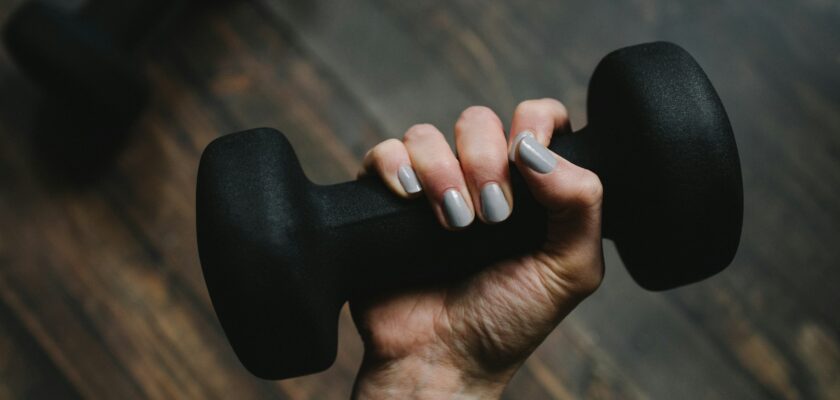
Grip strength might not be something you think about daily—but it’s one of the most important indicators of overall health, mobility, and even longevity.
If you’ve noticed jars getting harder to open, weights slipping during workouts, or your hands tiring faster than they used to, your body may be sending an early warning sign you shouldn’t ignore.
This guide breaks down why grip strength declines, what it could mean for your health, and simple, effective ways to reverse it—starting today.
Why Grip Strength Matters More Than You Think
Grip strength isn’t just about your hands—it reflects the health of your muscles, nerves, and even your cardiovascular system.
Research has linked low grip strength to:
- Reduced muscle mass (especially with age)
- Higher risk of injury and falls
- Slower recovery from illness
- Increased risk of chronic conditions
In short, a weakening grip can be one of the earliest signs your body is losing strength overall.
7 Common Reasons You’re Losing Grip Strength
1. Natural Aging and Muscle Loss
As you age, your body naturally loses muscle—a condition known as
Sarcopenia.
This process often starts as early as your 30s and accelerates after 60, affecting your hands just like the rest of your body.
2. Lack of Regular Use
If you’re not regularly using your hands for resistance or load-bearing activities, muscles weaken quickly. Modern lifestyles—typing, scrolling, and less manual labor—don’t provide enough challenge to maintain strength.
3. Nerve Issues and Compression
Conditions like
Carpal Tunnel Syndrome
can interfere with nerve signals, leading to weakness, numbness, and reduced grip.
4. Arthritis and Joint Pain
Inflammation from
Osteoarthritis
can make gripping painful and limit hand function over time.
5. Poor Circulation
Reduced blood flow to your hands can decrease endurance and strength. This is more common in people with cardiovascular issues or sedentary habits.
6. Nutritional Deficiencies
Low levels of protein, magnesium, or vitamin D can directly impact muscle performance and recovery.
7. Underlying Health Conditions
Chronic conditions like diabetes or neurological disorders can quietly weaken your grip long before other symptoms appear.
Warning Signs You Shouldn’t Ignore
You may be losing grip strength if you notice:
- Dropping objects more often
- Difficulty opening jars or bottles
- Hand fatigue during simple tasks
- Weak handshake
- Tingling or numbness in fingers
These signs may seem minor—but they often signal deeper issues.
How to Reverse Grip Strength Loss
The good news? In most cases, grip strength can be improved at any age with the right approach.
1. Start Grip-Specific Exercises
Incorporate simple movements into your routine:
- Hand grippers (2–3 sets daily)
- Farmer’s carries (hold heavy weights and walk)
- Dead hangs from a bar
- Squeezing a stress ball or tennis ball
Consistency matters more than intensity.
2. Strengthen Your Entire Body
Grip strength improves when overall strength improves. Focus on:
- Resistance training (2–3 times per week)
- Compound lifts like rows and deadlifts
- Functional movements that engage your hands
3. Improve Hand Mobility and Flexibility
Stretch your fingers, wrists, and forearms daily:
- Wrist rotations
- Finger extensions using rubber bands
- Gentle hand stretches
This reduces stiffness and improves performance.
4. Support Your Body with Proper Nutrition
Prioritize:
- Protein-rich foods (eggs, fish, lean meats)
- Magnesium (nuts, seeds, leafy greens)
- Vitamin D (sunlight, supplements if needed)
These nutrients play a critical role in muscle function.
5. Address Pain and Inflammation Early
If pain is limiting your grip, don’t ignore it. Early treatment of joint or nerve issues can prevent long-term damage.
6. Stay Active Throughout the Day
Small habits make a big difference:
- Carry groceries instead of using carts when possible
- Use your hands for household tasks
- Avoid long periods of inactivity
When to See a Doctor
If your grip strength is declining rapidly or accompanied by:
- Persistent numbness
- Severe pain
- Muscle wasting
…it’s important to seek medical evaluation to rule out serious conditions.
Final Thoughts
Grip strength is more than a convenience—it’s a powerful reflection of your overall health. The earlier you recognize a decline, the easier it is to reverse.
With simple daily habits, targeted exercises, and proper nutrition, you can rebuild strength, improve function, and protect your independence for years to come.
Quick Takeaway
- Grip strength loss is common—but not inevitable
- It can signal deeper health issues
- Simple exercises and lifestyle changes can reverse it
- The sooner you act, the better your results

