
Digestive health has become a major focus for Americans looking for practical ways to support their overall wellness.
From bloating and irregularity to questions about probiotics and the gut microbiome, more people are paying attention to what happens after food reaches the digestive system.
The good news is that supporting gut health doesn’t necessarily require expensive supplements or a complicated diet.
Nutrition researchers increasingly emphasize something much more familiar: whole, fiber-rich plant foods and fermented foods.
Dietary fiber serves as an important source of fuel for many of the microorganisms living in the digestive tract. When gut microbes break down certain fibers, they produce compounds known as short-chain fatty acids, which researchers are studying for their roles in intestinal and metabolic health.
Fermented foods are another area receiving considerable attention. A Stanford clinical trial found that participants who increased their intake of fermented foods experienced greater gut-microbe diversity and reductions in several markers of inflammation.
So, what should you put on your grocery list? Here are some of the foods gut health experts commonly recommend eating more often.
1. Yogurt
Yogurt may be one of the easiest gut-friendly foods to incorporate into an everyday diet.
Certain yogurts contain live bacterial cultures created during fermentation. These microorganisms are one reason fermented dairy products have attracted so much interest among researchers studying the microbiome.
Yogurt also provides valuable nutrients, including protein and calcium.
When shopping, check the label for products containing live and active cultures. It can also be helpful to compare added-sugar levels, especially with flavored varieties.
Plain Greek yogurt can be particularly versatile. Add berries and nuts for breakfast, use it in smoothies, or substitute it for heavier ingredients in dips and sauces.
2. Kefir
If you already enjoy yogurt, kefir is another fermented dairy product worth considering.
Kefir is a cultured milk beverage containing a mixture of microorganisms produced through fermentation. It also provides protein and calcium.
Stanford researchers included kefir among the fermented foods consumed in their clinical research examining diet, microbiome diversity and immune responses.
Kefir can be consumed on its own or blended with fruit, oats and other ingredients in a smoothie.
As with yogurt, check the nutrition label because flavored versions can contain substantial amounts of added sugar.
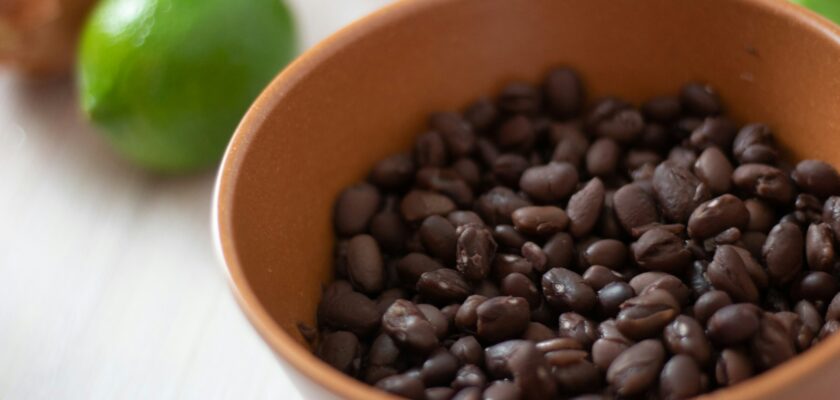
3. Beans and Lentils
One of the most affordable foods in the grocery store may also be one of the most useful for increasing fiber intake.
Beans and lentils provide dietary fiber along with plant-based protein and numerous vitamins and minerals.
Fiber is particularly important because much of it reaches the large intestine, where gut microorganisms can use it as an energy source.
Consider adding more:
- Black beans
- Kidney beans
- Chickpeas
- Pinto beans
- Navy beans
- Lentils
- Split peas
Canned beans are perfectly convenient. Draining and rinsing them can reduce some of the sodium.
If you aren’t accustomed to eating much fiber, however, don’t suddenly start eating enormous portions. Increasing fiber gradually can give your digestive system time to adjust.
4. Oats
A bowl of oatmeal isn’t only a comforting breakfast.
Oats are a whole grain and an easy way to increase dietary fiber. They can also be combined with other gut-friendly foods, including berries, nuts, seeds and yogurt.
Instead of thinking about one “superfood,” researchers increasingly emphasize dietary patterns containing a variety of fiber-rich foods. Harvard health experts point to vegetables and whole grains as important sources of fiber that can help support a healthy gut microbiome.
Old-fashioned oats, steel-cut oats and other minimally processed varieties can all fit into a balanced diet.
5. Berries
Blueberries, raspberries, blackberries and strawberries offer more than natural sweetness.
Berries provide fiber along with numerous plant compounds, making them an easy addition to a gut-friendly eating pattern.
Raspberries and blackberries are particularly useful for increasing fiber intake.
Try adding berries to oatmeal, plain yogurt or whole-grain cereal. Frozen berries are also a convenient option and can often be less expensive than fresh fruit, especially when particular varieties are out of season.
6. Apples
There’s good reason apples remain a nutritional staple.
Apples provide fiber, including pectin, and they’re easy to incorporate into almost any diet.
For maximum fiber, consider eating the peel after thoroughly washing the fruit.
An apple can also make a more satisfying snack when paired with a source of protein or healthy fat, such as a small serving of nuts or peanut butter.
The bigger lesson is simple: don’t overlook ordinary fruits while searching for exotic foods marketed specifically for digestive health.
7. Leafy Green Vegetables
Vegetables should play a major role in a gut-friendly eating pattern.
Spinach, kale, collard greens and other leafy vegetables provide fiber along with vitamins, minerals and beneficial plant compounds.
Harvard researchers and health experts emphasize vegetables as part of a fiber-rich dietary pattern that can promote a healthier gut microbiome.
You don’t have to live on salads, either.
Leafy greens can be added to soups, omelets, pasta dishes, casseroles and smoothies or simply cooked as a side dish.
8. Broccoli and Other Cruciferous Vegetables
Broccoli, cauliflower, cabbage and Brussels sprouts belong to the cruciferous vegetable family.
These vegetables provide fiber and numerous nutrients while helping increase the variety of plant foods in your diet.
That variety may matter.
Different plant foods contain different types of fibers and carbohydrates, potentially providing fuel for different members of the gut microbial community.
The goal doesn’t have to be eating broccoli every night. Instead, rotate among several vegetables throughout the week.
9. Sauerkraut
Cabbage is already a nutritious, fiber-containing vegetable. Ferment it, and you get sauerkraut.
Traditionally fermented sauerkraut can contain live microorganisms. However, not every product on supermarket shelves necessarily contains live cultures.
Processing methods matter. Heat treatment, including pasteurization, can reduce or eliminate living microbes.
If you’re specifically purchasing sauerkraut for live cultures, check the package carefully for information about fermentation and live cultures.
Also pay attention to sodium, particularly if your doctor has recommended limiting salt.
10. Kimchi
Kimchi is another fermented vegetable food attracting attention from gut-health researchers.
Traditionally associated with Korean cuisine, kimchi commonly contains fermented cabbage and other vegetables seasoned with ingredients such as garlic, ginger and chili pepper.
It combines plant-based ingredients with fermentation, making it an interesting addition for people who enjoy stronger flavors.
Fermented vegetables such as kimchi were among the foods highlighted in research examining fermented-food consumption and microbiome diversity.
Kimchi can be served alongside eggs, rice, vegetables, soups and numerous other dishes.
Again, people monitoring their sodium intake should check nutrition labels.
11. Whole Grains
White bread, refined cereals and other heavily refined grains generally contain less fiber than their whole-grain counterparts.
Switching some refined grains for whole grains is therefore a straightforward way to increase fiber without dramatically changing your meals.
Options include:
Brown rice, barley, quinoa, whole-wheat bread, whole-grain pasta, oats and farro.
Fiber isn’t digested in the same way as many other nutrients. Instead, much of it continues into the colon, where microbes can break it down and produce metabolites, including short-chain fatty acids.
12. Nuts and Seeds
A small handful of nuts can add fiber, protein and unsaturated fats to your diet.
Walnuts, almonds, pistachios, chia seeds and ground flaxseed can be incorporated into meals without much effort.
Sprinkle them over oatmeal or yogurt, blend seeds into smoothies or eat a modest portion of nuts as a snack.
Seeds can be especially useful for people trying to increase fiber without dramatically increasing the volume of food they’re eating.
13. Onions and Garlic
Onions and garlic aren’t usually advertised alongside probiotic supplements, but plant foods like these can contribute fermentable carbohydrates that gut microbes can use.
They also have one enormous practical advantage: they’re easy to cook with.
Garlic and onions can form the foundation of soups, stews, sauces, vegetable dishes and countless traditional recipes.
Gut-friendly eating doesn’t have to involve specialty products. Sometimes it simply means eating a wider variety of familiar whole foods.
Fiber and Fermented Foods May Work Differently
Fiber and fermented foods are sometimes lumped together under the “gut healthy” label, but they aren’t identical.
Fiber primarily provides material that gut microorganisms can metabolize, while fermented foods may contain microorganisms and fermentation-derived compounds.
In Stanford’s randomized dietary study, healthy adults increased either fiber-rich foods or fermented foods. The fermented-food group showed increased microbial diversity and reductions in inflammatory markers. The high-fiber diet produced different microbiome and immune responses, with results varying among participants.
That doesn’t mean fermented foods are “better” than fiber.
Fiber has extensive nutritional benefits beyond the microbiome, and major health organizations continue to recommend fiber-rich eating patterns.
Instead, the research reinforces a familiar nutrition principle: variety matters.
Don’t Increase Fiber Too Quickly
There is one important catch.
Someone who currently eats relatively little fiber shouldn’t necessarily double their intake overnight.
A sudden increase can cause gas, abdominal discomfort, bloating or changes in bowel habits. Increasing fiber gradually and consuming adequate fluids can make the transition easier.
This is particularly important for older adults who may have followed a relatively low-fiber diet for many years.
People with gastrointestinal disorders or dietary restrictions should discuss significant dietary changes with their physician or registered dietitian.
What About Probiotic Supplements?
Walk through almost any pharmacy and you’ll find shelves filled with probiotic capsules promising digestive support.
But supplements aren’t automatically necessary simply because you’re interested in improving your gut health.
The microbiome is extraordinarily complicated, and researchers are still determining which microorganisms and dietary interventions are most beneficial for particular individuals.
For many generally healthy adults, building a nutritious diet around whole plant foods and appropriate fermented foods is a practical place to begin.
Supplements may be appropriate in certain circumstances, but they shouldn’t be viewed as a substitute for an overall healthy diet.
A Simple Gut-Friendly Day of Eating
Improving your diet doesn’t require changing everything at once.
Breakfast could be plain yogurt or kefir with oatmeal, berries and walnuts.
Lunch might include a vegetable and bean soup with whole-grain bread.
An afternoon snack could be an apple with a handful of almonds.
Dinner might feature salmon or another protein alongside brown rice, broccoli and a small serving of fermented vegetables such as sauerkraut or kimchi.
That one day would provide several different sources of fiber and potentially fermented foods without relying on specialized “gut health” products.
The Bottom Line
The science surrounding the gut microbiome is developing rapidly, and researchers still have much to learn. There is no single food that can magically create a perfect microbiome.
But the broader nutritional advice is surprisingly straightforward.
Eat a greater variety of fiber-rich plant foods and consider incorporating fermented foods that fit your diet.
Beans, vegetables, berries, apples, oats, whole grains, nuts and seeds can help provide the fiber that intestinal microbes use. Fermented foods such as yogurt, kefir, kimchi and sauerkraut can add another dimension to a gut-friendly eating pattern.
You don’t need to overhaul your refrigerator tomorrow.
Start with one realistic change—berries with breakfast, beans with lunch, vegetables with dinner or plain yogurt as a snack—and build from there.
Over time, those small choices can add up to a diet that supports not only digestive health, but better overall nutrition as well.
This article is for general informational purposes and is not intended to diagnose, treat, cure or prevent any medical condition. People with digestive disorders, chronic medical conditions or specific dietary restrictions should consult a qualified healthcare professional before making major dietary changes.

