
Want to lower your blood sugar? Try this.
Maintaining healthy blood sugar levels doesn’t have to mean giving up all your favorite foods. In fact, many people are surprised to learn that you can lower blood sugar naturally without cutting out all carbohydrates. The key is choosing the right kinds of carbs—and making smart lifestyle changes that support glucose control.
If you’ve been diagnosed with prediabetes, type 2 diabetes, or are simply trying to avoid a blood sugar crash, this guide offers natural and sustainable ways to improve your numbers—no crash diets required.
1. Choose High-Fiber, Low-Glycemic Carbs
Not all carbs are created equal. Highly processed carbohydrates—like white bread, sugary snacks, and sweetened beverages—can spike your blood sugar quickly. But complex carbs, especially those high in fiber, are broken down slowly, leading to more stable glucose levels.
Smart carb choices include:
- Steel-cut oats
- Quinoa
- Lentils
- Sweet potatoes
- Berries
- Chickpeas
- Whole grain bread (look for 100% whole grain on the label)
Pro tip: Pairing carbs with protein or healthy fats can further reduce their blood sugar impact.
2. Stay Active Every Day
Exercise helps your muscles absorb glucose more efficiently—even if you’re not doing intense workouts. A brisk 20- to 30-minute walk after meals can significantly reduce post-meal blood sugar spikes.
Best types of exercise for blood sugar control:
- Walking
- Cycling
- Swimming
- Resistance training
- Yoga
Regular movement also improves insulin sensitivity, which is key to keeping blood sugar levels balanced over time.
3. Try Natural Blood Sugar Supplements (Cautiously)
Some supplements may help stabilize blood sugar, especially when paired with a healthy diet. However, always talk to your doctor before starting any new supplement—especially if you’re taking medication.
Popular natural supplements for blood sugar support:
- Berberine
- Cinnamon extract
- Alpha-lipoic acid
- Magnesium
- Chromium
These supplements have shown promise in clinical studies, but results can vary. Always buy from trusted brands and check for third-party testing.
4. Don’t Skip Meals
Skipping meals may seem like a way to “reset” your blood sugar, but it can backfire. Long gaps between eating can lead to dips and spikes in glucose levels, making it harder to maintain balance.
Instead:
- Eat every 3 to 4 hours
- Include protein, fiber, and healthy fats in each meal
- Keep healthy snacks on hand (like nuts, boiled eggs, or hummus with veggies)
5. Stay Hydrated and Manage Stress
Water helps flush excess sugar through your kidneys. Aim for at least 8 glasses of water a day—or more if you’re active. Meanwhile, chronic stress triggers hormones that raise blood sugar, such as cortisol and adrenaline.
Natural stress-relief strategies include:
- Deep breathing exercises
- Meditation
- Journaling
- Spending time in nature
- Getting consistent sleep (7–9 hours nightly)
6. Track Your Blood Sugar Responsibly
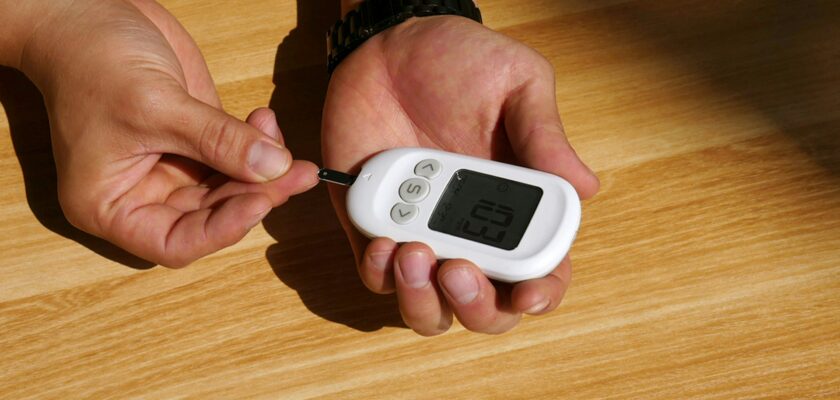
You don’t need to obsess over every reading, but regular monitoring can help you understand how food, exercise, sleep, and stress affect your levels. Consider keeping a journal or using a continuous glucose monitor (CGM) if recommended by your healthcare provider.
Bottom Line
You can lower blood sugar naturally—without giving up all carbs. By focusing on nutrient-dense foods, staying active, and supporting your body with natural habits, you can improve your blood sugar and overall health in a sustainable way.
Always consult with your doctor before making major dietary or lifestyle changes, especially if you’re managing diabetes or using medication.

