
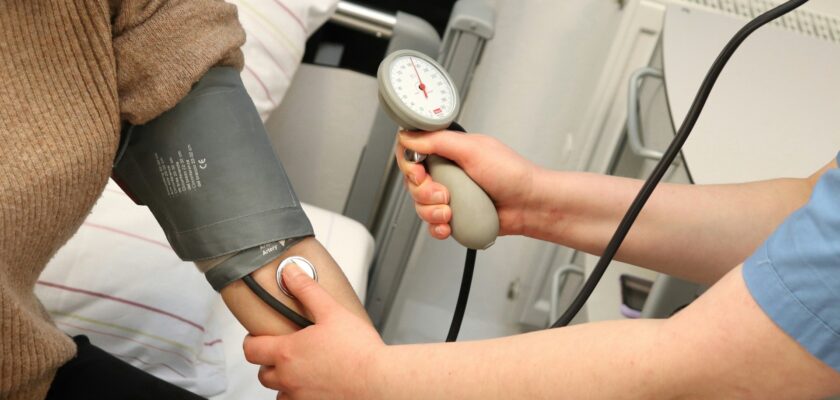
High blood pressure, often called the “silent killer,” affects nearly half of American adults.
The biggest concern is that many people don’t even realize they have it until it has already damaged their heart, brain, kidneys, or blood vessels.
While medication can help many people manage hypertension, everyday habits often play an equally important role. Unfortunately, millions of Americans unknowingly make common mistakes that can keep their blood pressure elevated despite their best efforts.
Here are some of the most common blood pressure mistakes—and what you can do instead.
1. Waiting Until You Feel Sick
One of the biggest misconceptions about high blood pressure is believing you’ll notice symptoms.
In reality, hypertension usually develops without obvious warning signs. Many people feel completely normal while their blood pressure quietly increases over months or years.
That’s why regular blood pressure checks are so important, especially if you’re over age 40, have a family history of heart disease, or have diabetes or obesity.
2. Eating Too Much Sodium
Many Americans consume far more sodium than they realize.
It’s not just the salt shaker. Processed foods, canned soups, frozen dinners, deli meats, fast food, and restaurant meals often contain large amounts of hidden sodium.
Reducing sodium intake while increasing potassium-rich foods such as bananas, spinach, sweet potatoes, beans, and avocados may help support healthier blood pressure for many adults.
3. Skipping Daily Exercise
Exercise doesn’t have to mean spending hours in the gym.
Even 30 minutes of brisk walking most days of the week can help improve cardiovascular health and support healthy blood pressure levels.
Regular movement also helps with weight management, stress reduction, and improved circulation.
4. Ignoring Stress
Chronic stress can contribute to temporary spikes in blood pressure and may encourage unhealthy habits like overeating, smoking, or excessive alcohol use.
Simple stress-management techniques include:
- Deep breathing
- Walking outdoors
- Meditation
- Reading
- Gardening
- Spending time with family
- Getting enough sleep
Small daily changes can make a meaningful difference over time.
5. Drinking Too Much Alcohol
Moderate alcohol consumption may fit into a healthy lifestyle for some adults, but excessive drinking can significantly raise blood pressure.
If you drink alcohol, keeping it within recommended guidelines may help reduce your risk of hypertension and heart disease.
6. Smoking or Using Tobacco
Every cigarette temporarily raises blood pressure while damaging blood vessels.
Over time, smoking greatly increases the risk of heart attack, stroke, and other cardiovascular diseases.
Quitting tobacco remains one of the most effective steps you can take to improve overall heart health.
7. Not Sleeping Enough
Poor sleep has become increasingly common, yet many people underestimate its impact on blood pressure.
Adults generally need between seven and nine hours of quality sleep each night.
Conditions like sleep apnea can also contribute to high blood pressure and often go undiagnosed.
8. Forgetting to Take Medication
For people prescribed blood pressure medication, missing doses can allow blood pressure to rise again.
Stopping medication without talking to a healthcare provider may increase the risk of serious complications, including stroke or heart attack.
If side effects become a concern, discuss alternative treatment options with your doctor rather than discontinuing medication on your own.
9. Assuming Blood Pressure Is “Good Enough”
Many people only check their blood pressure during annual doctor visits.
Home blood pressure monitors are now affordable and can help people track trends between appointments.
Keeping a simple log of your readings can help your healthcare provider determine whether lifestyle changes or medication adjustments are needed.
10. Overlooking Your Diet
Heart health involves much more than avoiding salt.
A balanced eating pattern rich in fruits, vegetables, whole grains, lean proteins, legumes, nuts, and healthy fats supports healthy blood pressure and overall cardiovascular wellness.
Reducing sugary beverages, heavily processed foods, and excessive saturated fat may also help lower long-term health risks.
When to Talk to Your Doctor
If your blood pressure readings are consistently elevated or you have risk factors such as diabetes, kidney disease, obesity, or a family history of heart disease, it’s important to speak with a healthcare provider.
Early detection and treatment can significantly reduce the risk of complications including heart attack, stroke, kidney disease, and heart failure.
The Bottom Line
High blood pressure is one of the leading risk factors for serious health problems, but it is also one of the most manageable. Simple lifestyle changes—such as exercising regularly, eating a heart-healthy diet, reducing sodium, getting enough sleep, managing stress, and taking prescribed medications as directed—can have a meaningful impact.
Even small improvements made consistently over time can help protect your heart and improve your overall quality of life. If you’re unsure about your blood pressure or have concerns about your heart health, scheduling a conversation with your healthcare provider is an excellent first step.
Disclaimer: This article is for informational purposes only and should not be considered medical advice. Always consult a qualified healthcare professional before making changes to your diet, exercise routine, or medication regimen.

