
As we age, it’s natural to worry about memory loss, slower thinking, or the fear of “losing your edge.”
But according to new research, there’s one surprisingly simple way seniors can keep their minds young — and it doesn’t involve expensive supplements or complicated routines.
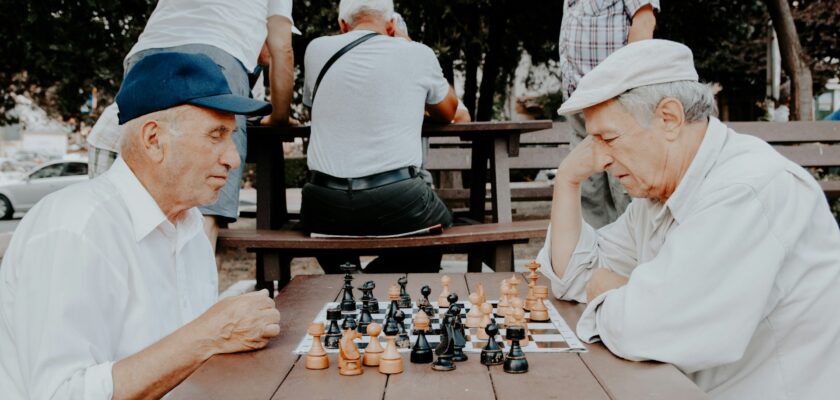
It’s a game millions of Americans already love: chess.
The Brain-Boosting Power of Strategy Games
Playing chess, checkers, or even digital word puzzles like Sudoku and crosswords stimulates multiple areas of the brain at once. Experts say these games activate regions responsible for memory, decision-making, focus, and emotional control — all crucial for keeping the mind sharp well into your 70s, 80s, and beyond.
A long-term study from the University of Edinburgh found that older adults who regularly engage in strategic games experience significantly slower cognitive decline than those who don’t. The benefits were so strong that researchers compared the effects to “mental exercise that rivals physical fitness for the brain.”
More Than Just Fun — It’s Brain Training
Every time you plan a move in chess or solve a tricky word puzzle, you’re building new neural connections. This constant “mental stretching” helps the brain stay flexible and resilient, protecting against memory problems and even early dementia.
Doctors now recommend games like chess and bridge not just for fun, but as part of a daily brain wellness routine. Just 15 minutes a day can make a measurable difference.
The Hidden Bonus: Stress Relief and Social Connection
Beyond boosting memory, games also reduce stress — a major cause of premature aging. When seniors gather to play in person or online, they experience lower blood pressure, improved mood, and stronger social bonds, all of which contribute to better long-term health.
As psychologist Dr. Amanda Reeves explains, “Mental games combine the best of both worlds — cognitive stimulation and emotional engagement. It’s the perfect combination for aging well.”
The Takeaway
You don’t need a Ph.D. or a high-priced therapy program to protect your brain. All you need is a little strategy and consistency. Whether it’s chess, crossword puzzles, or a card game with friends, this simple habit can help you think clearer, feel happier, and stay independent longer.
So next time you sit down with a cup of coffee, skip the TV — and pick up a puzzle instead. Your brain will thank you.

