
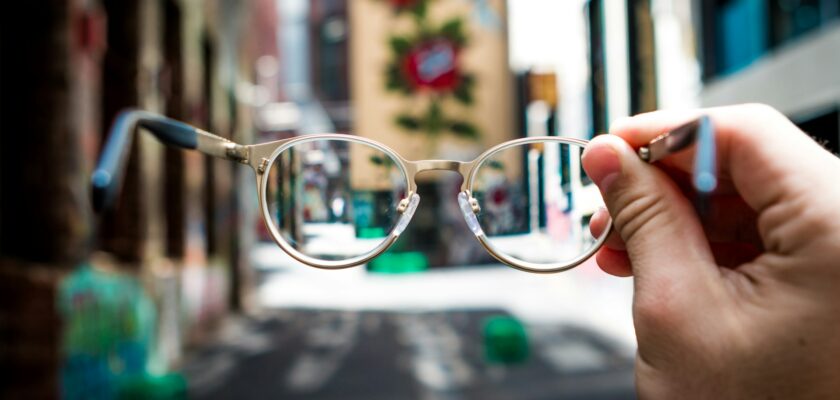
If your eyesight seems blurrier than it used to be—even though you’re wearing the same glasses you’ve relied on for years—you’re not alone.
Millions of Americans notice that their vision gradually worsens despite wearing corrective lenses every day. While glasses are designed to help you see clearly, they cannot stop the underlying causes of vision changes.
For adults over 50, this issue can be especially frustrating. You may find yourself squinting at road signs, needing brighter light to read, or feeling like your prescription “just isn’t working anymore.” The good news is that many common causes of worsening vision can be treated or managed if caught early.
This article explains why your vision may be getting worse even with glasses, what warning signs to watch for, and when it’s time to schedule an eye exam.
1. Your Glasses Prescription Is Outdated
The most common reason your vision gets worse with glasses is simple: your prescription has changed.
Our eyes naturally change over time, particularly after age 40. Conditions like nearsightedness, farsightedness, and astigmatism can slowly progress, making your current glasses less effective.
Signs Your Prescription May Have Changed
- Blurry vision at distance or up close
- Frequent headaches
- Eye strain after reading
- Difficulty driving at night
- Squinting more often
Even if your glasses worked perfectly a year ago, your eyes may need a stronger or adjusted prescription.
2. Cataracts Are Developing
Cataracts occur when the eye’s natural lens becomes cloudy. This is extremely common with aging and one of the leading causes of blurry vision in adults over 60.
Glasses may improve vision slightly, but they cannot fully correct cataracts.
Symptoms of Cataracts
- Blurry or foggy vision
- Increased glare from headlights
- Colors appearing faded
- Frequent prescription changes
- Poor night vision
Cataract surgery is one of the safest and most effective procedures in modern medicine.
3. Dry Eye Syndrome Is Blurring Your Vision
Dry eyes can cause fluctuating blurry vision that often feels worse during reading, computer use, or watching television.
As we age, tear production decreases, especially in women after menopause.
Common Dry Eye Symptoms
- Burning or stinging
- Gritty sensation
- Excessive tearing
- Blurry vision that comes and goes
- Red eyes
Lubricating eye drops, hydration, and treatment from your eye doctor can often provide significant relief.
4. Macular Degeneration Is Affecting Central Vision
Age-related macular degeneration (AMD) damages the central part of the retina responsible for sharp vision.
Glasses cannot restore vision lost from AMD.
Early Warning Signs
- Straight lines appearing wavy
- Difficulty reading fine print
- Dark spots in the center of vision
- Reduced color brightness
Early detection is critical because some forms of AMD can be treated to slow progression.
5. Glaucoma Is Damaging the Optic Nerve
Glaucoma is known as the “silent thief of sight” because it often develops without noticeable symptoms until permanent damage has occurred.
Because glaucoma affects the optic nerve, glasses will not correct the vision loss it causes.
Risk Factors
- Age over 60
- Family history
- Diabetes
- High eye pressure
- African American ancestry
Regular eye exams are essential for detecting glaucoma before vision is lost.
6. Diabetes Is Affecting Your Eyes
High blood sugar can damage tiny blood vessels in the retina, leading to diabetic retinopathy.
Vision may become blurry, and new glasses won’t solve the problem if diabetes is the underlying cause.
Symptoms to Watch For
- Fluctuating blurry vision
- Floaters
- Dark spots
- Difficulty seeing at night
Keeping blood sugar under control is one of the best ways to protect your eyesight.
7. Your Glasses Lenses Are Worn or Damaged
Scratches, smudges, peeling coatings, and lens warping can all reduce visual clarity.
Lens Problems That Affect Vision
- Tiny scratches
- Anti-reflective coating deterioration
- Cloudy buildup
- Bent frames
Sometimes replacing the lenses—or simply cleaning them properly—can make a dramatic difference.
8. Medications May Be Affecting Your Eyesight
Certain medications can cause blurry vision as a side effect.
Common Culprits
- Antihistamines
- Blood pressure medications
- Antidepressants
- Steroids
- Sleep aids
If your vision worsened after starting a new medication, talk to your doctor.
9. Serious Retinal Problems Could Be Developing
Sudden or significant changes in vision can signal urgent conditions such as retinal tears or detachments.
Seek Immediate Medical Attention If You Experience
- Sudden flashes of light
- New floaters
- A curtain-like shadow over vision
- Rapid vision loss
These symptoms should never be ignored.
How Aging Naturally Changes Your Eyes
Even healthy eyes change over time. Common age-related changes include:
- Reduced focusing ability (presbyopia)
- Increased sensitivity to glare
- Slower adaptation to darkness
- Reduced contrast sensitivity
- Need for brighter light when reading
These changes are normal, but routine eye exams help distinguish normal aging from serious disease.
When to See an Eye Doctor
Schedule an eye exam if you notice:
- Vision getting worse despite wearing glasses
- Frequent prescription changes
- Difficulty driving at night
- Blurry or distorted vision
- Headaches or eye strain
- New floaters or flashes
Adults over 50 should have regular comprehensive eye exams, even if they think their vision is stable.
Tips to Protect Your Vision as You Age
Eat Eye-Healthy Foods
Include leafy greens, carrots, eggs, salmon, and berries.
Control Chronic Conditions
Manage diabetes, high blood pressure, and cholesterol.
Wear Sunglasses
UV protection helps reduce damage to the eyes.
Stop Smoking
Smoking increases the risk of cataracts and macular degeneration.
Rest Your Eyes
Follow the 20-20-20 rule when using screens.
Get Regular Eye Exams
Early detection is the best defense against vision loss.
Can Glasses Stop Vision From Getting Worse?
Glasses improve focus, but they do not stop age-related changes or eye disease. Think of glasses as a tool that sharpens your vision—not a treatment that prevents deterioration.
If your eyesight continues to decline, the real issue may be inside the eye itself.
The Bottom Line
If your vision is getting worse even with glasses, don’t assume you simply need a stronger prescription. Conditions such as cataracts, glaucoma, dry eye, macular degeneration, and diabetes can all affect your sight in ways that glasses cannot fix.
The good news is that many causes of worsening vision can be treated successfully when caught early. If you’ve noticed blurry vision, increasing glare, or difficulty reading despite wearing your glasses, schedule a comprehensive eye exam as soon as possible.
Your eyesight is too important to ignore.

