
Staying hydrated becomes more important with age.
After 50, your body’s natural thirst signals weaken, medications may increase fluid loss, and dehydration can sneak up faster than it did in your younger years.
That’s why many health-conscious Americans reach for what they believe is a “healthy” beverage.
But here’s the surprising truth:
Some popular “healthy” drinks may actually be contributing to dehydration — not preventing it.
Let’s take a closer look.
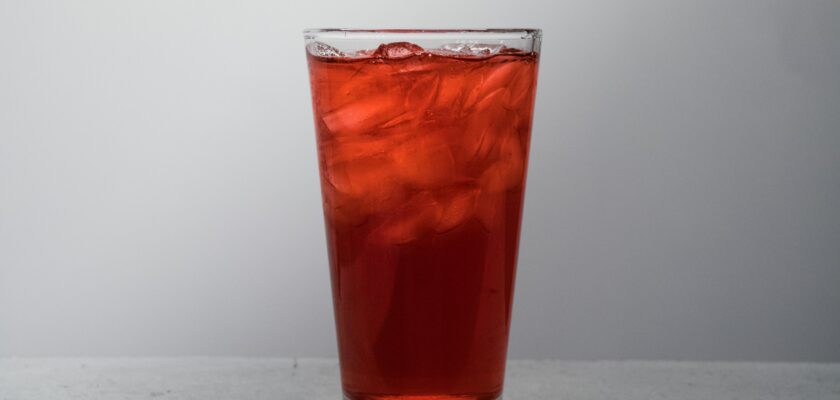
The Drink in Question: Sweetened Iced Tea and Bottled “Green Tea” Beverages
Tea itself isn’t the problem.
In fact, unsweetened tea — especially green or black tea — contains antioxidants and can absolutely be part of a healthy lifestyle.
The issue? Many store-bought and restaurant versions are loaded with sugar and caffeine, and that combination can work against proper hydration.
How a “Healthy” Tea Can Dehydrate You
Here’s what’s happening behind the scenes:
1. High Sugar Content Pulls Water From Your Cells
Many bottled green teas and sweet teas contain 25–45 grams of sugar per serving — sometimes more than a soda.
When you consume high amounts of sugar:
- Your blood sugar rises quickly
- Your kidneys work harder to remove excess glucose
- You urinate more frequently
- You lose fluids in the process
Over time, this cycle can increase your risk of dehydration — especially if you’re not drinking plain water alongside it.
For adults over 50, this is especially important. Blood sugar control becomes more sensitive with age, and many Americans in this age group are already managing prediabetes or type 2 diabetes.
2. Caffeine Has a Mild Diuretic Effect
Tea naturally contains caffeine. While moderate caffeine intake isn’t dangerous for most people, it can:
- Increase urine production
- Reduce net fluid retention
- Mask thirst signals
If you’re drinking multiple large sweet teas per day thinking you’re hydrating, you may actually be losing more fluids than you realize.
3. It Replaces Water — But Doesn’t Hydrate Like Water
Here’s the key issue:
Many people count tea as their primary fluid intake.
But if that tea is heavily sweetened and caffeinated, it may not hydrate as effectively as plain water — especially in warmer weather, during travel, or while taking medications that already affect fluid balance.
Warning Signs of Mild Dehydration After 50
Dehydration doesn’t always show up dramatically. Subtle symptoms can include:
- Fatigue
- Headaches
- Dizziness when standing
- Dry mouth
- Muscle cramps
- Constipation
- Dark yellow urine
Because thirst sensation decreases with age, you may not even feel especially thirsty.
What About “Detox” Teas and Herbal Blends?
Many detox teas marketed as “cleansing” contain herbal ingredients that act as natural laxatives or diuretics.
These can increase fluid loss — sometimes significantly — leading to:
- Electrolyte imbalance
- Weakness
- Lightheadedness
- Increased fall risk
If you’re over 50 and on blood pressure medication, heart medication, or diuretics, combining these with herbal detox products can amplify dehydration risk.
Always consult your healthcare provider before adding concentrated herbal products to your routine.
Smarter Hydration Choices
You don’t have to give up tea entirely. Here’s how to make smarter choices:
✔ Choose Unsweetened Tea
Brew it yourself or look for “unsweetened” clearly labeled on the bottle.
✔ Dilute Store-Bought Tea
Mix half tea, half water to reduce sugar and caffeine impact.
✔ Balance With Plain Water
For every caffeinated beverage, drink at least one full glass of water.
✔ Add Electrolytes When Needed
If you’re sweating heavily, traveling, or ill, a low-sugar electrolyte drink may help — but read labels carefully.
The Bottom Line
Tea can absolutely be part of a healthy lifestyle.
But many bottled “healthy” teas are closer to sugary soft drinks than wellness beverages.
If you’re over 50 and focused on protecting your heart, kidneys, and overall energy levels, plain water should still be your primary hydration source.
That “healthy” drink in your fridge might not be doing what you think it is.
Medical Disclaimer
This article is for informational purposes only and does not constitute medical advice. Always consult a qualified healthcare professional regarding any health concerns or before making dietary changes, especially if you have underlying medical conditions or take prescription medications.

