
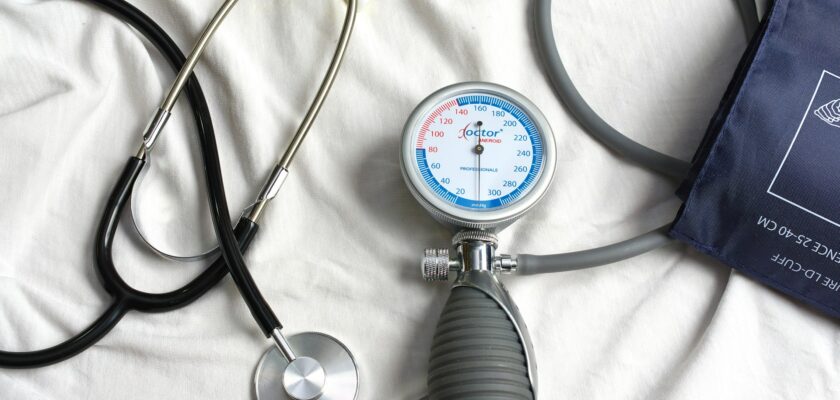
Maintaining healthy blood pressure becomes one of the most important parts of staying independent and active after age 55.
Doctors warn that even small daily habits can quietly push blood pressure higher—and many seniors are unknowingly making one dangerous mistake that increases their risk of heart attack, stroke, dizziness, and sudden fatigue.
And here’s the surprising part: It has nothing to do with salt. Nothing to do with medication. Nothing to do with exercise.
Most seniors over 55 are making this mistake before they even finish breakfast.
The Hidden Mistake: Not Checking Blood Pressure at the Right Time
According to cardiologists, one of the biggest factors in uncontrolled blood pressure isn’t what you eat—it’s when you measure it.
Millions of seniors check their blood pressure at the wrong time of day, which can dramatically skew the results, create false readings, and lead to incorrect medication timing. These unpredictable numbers make it nearly impossible for older adults to catch early warning signs.
Doctors say this single mistake is responsible for many seniors believing their blood pressure is “fine” when in reality it is silently rising.
Why Timing Matters More Than You Think
Blood pressure naturally fluctuates through the day. But for people over 55, those fluctuations become more dramatic due to:
- Changes in blood vessel elasticity
- Slower kidney and hormone regulation
- Stress or poor sleep
- Poor hydration
- Morning “blood pressure surge”
If you take readings during one of these swings, you’ll get inaccurate numbers that can hide a real problem.
That’s why cardiologists recommend checking your blood pressure twice daily at consistent times, always under calm, controlled conditions.
The Correct Times Seniors Should Test Blood Pressure
To avoid dangerous misreadings, experts say older adults should take readings:
1. First Reading: Morning, Before Coffee or Medication
Your body is naturally experiencing its biggest blood pressure spike between 6–10 AM.
Testing before caffeine, food, or pills gives the most reliable baseline.
2. Second Reading: Evening, At Least 30 Minutes After Dinner
This helps identify nighttime hypertension—one of the biggest predictors of stroke.
These two times provide the most accurate snapshot of heart health.
The Unexpected Risks of Wrong-Time Readings
Taking your blood pressure at the wrong moment can:
- Hide dangerous hypertension spikes
- Cause doctors to lower or raise medication incorrectly
- Lead to dizziness and falls from mistimed doses
- Give seniors a false sense of safety
- Reduce the effectiveness of treatment
- Miss early signs of heart disease, kidney problems, or arterial hardening
Many seniors who “feel fine” are actually living with uncontrolled hypertension simply because they measure it incorrectly.
Other Common Mistakes Seniors Make (According to Doctors)
For even better accuracy, avoid these widespread errors:
- Checking blood pressure immediately after walking around
- Talking while the cuff is inflating
- Sitting with crossed legs
- Using the wrong cuff size
- Taking only one reading instead of two
- Measuring over clothing instead of bare skin
- Holding the arm too high or too low
- Drinking soda, coffee, or alcohol before taking a reading
Just changing these habits can dramatically improve blood pressure control—often within days.
Simple Daily Routine to Keep Blood Pressure in the Safe Zone
Here’s a doctor-approved routine for adults 55+:
- Drink a glass of water when you wake up
- Sit quietly for 2–3 minutes before testing
- Take two readings, one minute apart
- Keep a simple notebook or phone log
- Test again in the evening
- Bring your log to your doctor appointments
This routine can help catch “silent” hypertension long before it causes symptoms.
When to Call Your Doctor Immediately
Seniors should contact a healthcare provider if they notice:
- Morning readings consistently above 135/85
- Evening readings above 140/90
- Sudden spikes with dizziness or chest pressure
- Headaches behind the eyes
- Irregular heartbeats
Even mild elevation over time can increase your risk of stroke or heart damage.
Bottom Line: One Simple Fix Can Protect Your Heart
The biggest blood pressure mistake people over 55 make is measuring at the wrong time.
Correcting this simple daily habit can dramatically improve accuracy, protect long-term heart health, and help seniors avoid dangerous complications.
For anyone committed to staying active, sharp, and independent—monitoring blood pressure the right way is one of the smartest daily habits you can adopt starting today.

