
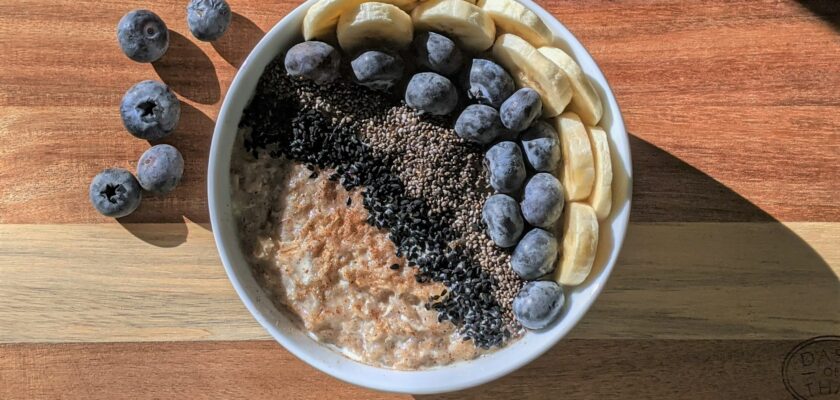
For years, Americans—especially seniors—have been told to eat more oatmeal to support heart health.
And it’s true: oats can help lower cholesterol, stabilize blood sugar, and keep you fuller for longer.
But according to leading cardiologists and nutrition researchers from Harvard, there’s a growing problem:
Millions of older adults are eating oats in a way that cancels out many of its heart-protective benefits.
If you’re over 50, this simple mistake could be sabotaging an otherwise healthy breakfast routine.
Here’s what you need to know.
The Hidden Issue: Most Seniors Are Turning Oatmeal Into Dessert
Harvard researchers report a major trend: instead of eating oatmeal as a fiber-rich, low-glycemic food, many seniors unintentionally transform it into a sugar-dense meal.
Common oatmeal add-ins hurting heart health:
- Brown sugar
- Maple syrup
- Honey
- Flavored creamers
- Sweetened dried fruit
- Instant flavored oatmeal packets
- Granola toppings
- Sweetened nut butters
These extras can spike blood sugar, contribute to inflammation, and raise triglycerides—all key risk factors for heart disease.
Even worse? Many “healthy-looking” instant oat packets hide 12–20 grams of sugar per serving, which experts say is closer to eating a small dessert than a heart-healthy breakfast.
Why This Matters More for Seniors
As we age, our metabolism slows, and our cardiovascular system becomes more sensitive to blood sugar fluctuations.
Harvard nutrition experts explain that seniors who overload their oats with sugar may experience:
- Higher LDL (“bad”) cholesterol
- Faster plaque buildup in arteries
- Mid-morning crashes and brain fog
- Increased belly fat, which raises heart-disease risk
- Elevated inflammation markers
What was supposed to be a smart breakfast becomes a daily metabolic stressor.
The Heart-Healthy Way to Eat Oatmeal (Most Seniors Aren’t Doing This)
Oats are powerful—but only when eaten correctly.
Here’s how to turn oatmeal back into the heart-boosting meal it’s meant to be.
✔️ Choose whole or steel-cut oats
These digest slower and keep blood sugar stable. Avoid flavored instant packets whenever possible.
✔️ Add protein
Protein prevents sugar spikes and keeps you full longer. Healthy options include:
- Greek yogurt
- Cottage cheese
- Protein powder
- Nuts or seeds
- One scrambled or boiled egg on the side
✔️ Use natural sweetness—not sugar
Instead of processed sweeteners, choose:
- Fresh berries
- Mashed banana
- Cinnamon (which also helps regulate blood sugar)
✔️ Add heart-healthy fats
Just 1 tablespoon of chia, flax, or walnuts adds omega-3s, which support brain and heart health.
✔️ Watch your portions
Most seniors eat twice the recommended serving. Stick to ½ cup dry oats, which expands to a filling bowl once cooked.
The Harvard-Approved Oatmeal Formula for Better Heart Health
Combine:
- ½ cup steel-cut or rolled oats
- 1 cup water or unsweetened almond milk
- 1 scoop protein (or ½ cup Greek yogurt stirred in after cooking)
- ½ cup berries
- 1 tbsp flax or chia seeds
- Cinnamon to taste
This mix delivers fiber, protein, healthy fats, antioxidants, and slow-release carbohydrates—exactly what the heart needs to stay strong with age.
Bonus: A Breakfast That Helps Lower Cholesterol Naturally
Researchers also point out that pairing oatmeal with certain foods increases its cholesterol-lowering power.
Seniors get the best results when they combine oats with:
- Blueberries
- Walnuts
- Ground flaxseed
- Unsweetened cocoa powder
- A small amount of avocado
These foods contain compounds that help reduce LDL cholesterol and improve blood vessel health.
Bottom Line: Oatmeal Is Healthy—But Only If You Prepare It Right
Oatmeal can absolutely support a healthier heart, better digestion, and improved clarity as we age. But when loaded with sugars and processed toppings, it can quickly become the opposite.
If you’re 50 or older, small changes in how you prepare this common breakfast staple could deliver major benefits for your heart, energy, and longevity.

