
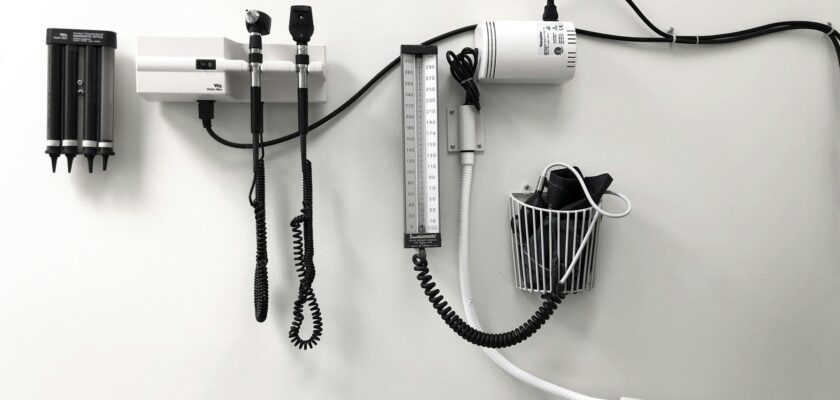
A routine medical checkup may feel simple on the surface—weight, blood pressure, and a few questions about how you’ve been feeling.
But behind the scenes, doctors are trained to observe much more than the numbers on a chart.
In fact, physicians often begin evaluating a patient within seconds of entering the exam room. Small physical cues, posture, speech patterns, and even breathing can offer important clues about overall health. Many of these early observations help doctors detect potential issues long before symptoms become serious.
For adults over 50 especially, routine checkups can reveal subtle health changes that might otherwise go unnoticed. Understanding what doctors look for during these visits can help patients take a more active role in protecting their health.
Below are several things physicians commonly notice first during routine medical checkups.
Overall Appearance and Alertness
One of the first things doctors observe is how a patient looks and behaves when they enter the room. This quick assessment is sometimes called a “general impression.”
Doctors may look for signs such as:
- Fatigue or unusual tiredness
- Difficulty moving or standing
- Confusion or memory lapses
- Signs of pain or discomfort
- Skin tone and hydration levels
Even posture and facial expressions can offer clues about possible underlying conditions.
For example, appearing unusually pale may suggest anemia, while noticeable swelling in the face or limbs could indicate fluid retention or circulation problems.
Skin Health
The skin is the body’s largest organ, and it often reflects what’s happening inside the body.
During routine visits, doctors often look for:
- Changes in skin color
- New or unusual moles
- Rashes or irritation
- Dry or thinning skin
- Bruising that appears easily
Skin changes can sometimes signal issues such as nutritional deficiencies, hormonal imbalances, circulation problems, or potential skin cancers.
Because of this, doctors often encourage patients—especially those over age 50—to report any new or changing skin spots.
Breathing and Lung Function
Doctors also pay close attention to how a patient breathes.
Without saying a word, a physician may observe:
- Breathing speed
- Depth of breaths
- Wheezing or coughing
- Shortness of breath while speaking
Even mild breathing changes may suggest lung conditions, heart issues, or respiratory infections.
Listening to the lungs with a stethoscope helps doctors detect abnormalities such as fluid buildup, airway narrowing, or signs of infection.
Speech and Cognitive Clarity
During conversation, physicians naturally evaluate how clearly patients speak and respond to questions.
This quick mental assessment can help detect early signs of:
- Memory problems
- Neurological conditions
- Medication side effects
- Dehydration
- Stress or sleep deprivation
Subtle speech changes, such as slurred words or difficulty finding the right words, can sometimes signal neurological concerns that may need further testing.
Walking and Balance
Doctors often observe how patients walk into the room or get onto the exam table.
Balance, coordination, and gait can reveal a surprising amount about a person’s health.
Changes in walking patterns may indicate:
- Joint or muscle problems
- Nerve damage
- Inner ear issues
- Early signs of neurological disorders
- Increased fall risk in older adults
For patients over 50, balance changes are particularly important because falls can lead to serious injuries.
Blood Pressure and Heart Rate
Once the formal exam begins, blood pressure and heart rate are usually among the first measurements taken.
These numbers help doctors evaluate cardiovascular health and can signal potential risks such as:
- High blood pressure (hypertension)
- Irregular heart rhythms
- Stress-related changes
- Circulatory problems
High blood pressure often develops silently with no noticeable symptoms, which is why routine monitoring is so important.
Weight Changes
Doctors also track body weight and body mass index (BMI) over time.
Unexpected weight gain or loss may signal underlying issues such as:
- Thyroid disorders
- Metabolic conditions
- Medication side effects
- Digestive issues
- Changes in lifestyle or diet
Gradual weight changes can be normal, but sudden shifts often prompt doctors to ask additional questions.
Eye and Facial Clues
Even before using specialized equipment, doctors may notice subtle clues around the eyes and face.
For example:
- Yellowing of the eyes may suggest liver issues
- Puffy eyelids may indicate allergies or kidney concerns
- Drooping facial muscles could signal nerve problems
Doctors are trained to spot these details quickly because they may point toward underlying health conditions.
Why Routine Checkups Matter More After 50
As people age, the risk of chronic conditions such as heart disease, diabetes, and arthritis increases. Routine checkups allow doctors to detect early warning signs before problems become severe.
Many serious health conditions begin with subtle symptoms that patients might overlook. A trained physician can often identify these small changes during a routine exam.
Regular checkups also allow doctors to:
- Track long-term health trends
- Adjust medications when needed
- Screen for age-related conditions
- Provide preventive health guidance
For many adults, these visits become one of the most important tools for maintaining long-term wellness.
Simple Ways to Make the Most of Your Checkup
To get the most value from routine medical visits, consider preparing ahead of time.
Helpful steps include:
- Bring a list of current medications
- Write down any new symptoms or concerns
- Track recent changes in sleep, weight, or energy levels
- Ask questions about preventive screenings
Clear communication between patients and doctors can make routine exams far more effective.
The Bottom Line
A routine medical checkup is about far more than a quick exam and a blood pressure reading. Physicians are trained to notice dozens of subtle clues about a patient’s health the moment they walk into the room.
From breathing patterns and skin changes to speech clarity and balance, these early observations can help doctors detect potential health problems before they become serious.
For adults over 50, keeping up with regular checkups is one of the most important steps toward maintaining long-term health and independence.
Medical Disclaimer:
This article is for informational purposes only and should not be considered medical advice. Always consult a qualified healthcare professional regarding any medical concerns or before making changes to your health routine.

