
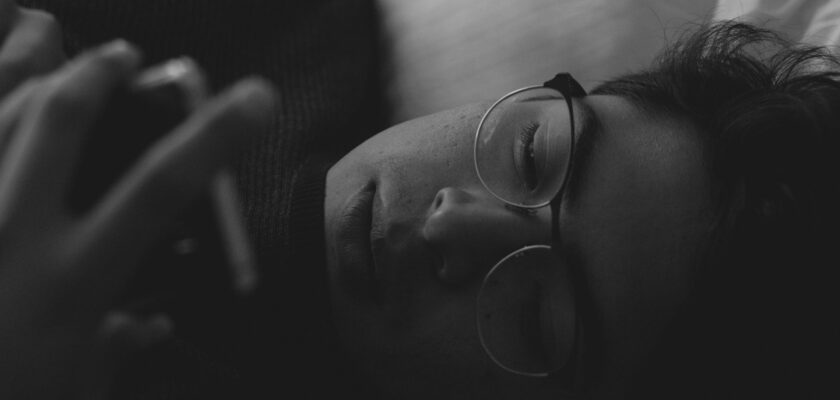
In today’s always-connected world, your smartphone rarely leaves your side — especially at night.
Whether you’re scrolling through social media, catching up on the news, or watching videos in bed, your phone may be quietly sabotaging your sleep quality in ways most people don’t fully understand.
If you’ve been waking up tired, struggling to fall asleep, or feeling drained during the day, your nighttime phone habits could be a major hidden culprit.
📱 The Hidden Link Between Smartphones and Poor Sleep
Modern smartphones are designed to keep your attention — and that stimulation doesn’t just switch off when you go to bed.
One of the biggest issues is blue light exposure. Phones emit a type of light that interferes with your body’s natural sleep cycle, also known as your circadian rhythm.
What happens:
- Blue light suppresses melatonin, the hormone that helps you fall asleep
- Your brain stays alert instead of winding down
- You fall asleep later — and often sleep less deeply
Even just 30–60 minutes of screen time before bed can delay your body’s ability to transition into restful sleep.
🧠 Your Brain Stays “On” Longer Than You Think
It’s not just the light — it’s the content.
Scrolling through emails, news, or social media keeps your brain in an active, alert state, making it harder to relax.
Common nighttime habits that disrupt sleep:
- Checking stressful emails
- Reading upsetting news
- Watching fast-paced or emotional videos
- Endless scrolling (also known as “doomscrolling”)
Your brain interprets all of this as stimulation — not rest.
🔔 Notifications Are Wrecking Your Sleep Cycle
Even if you manage to fall asleep, your phone may still be interfering.
Notifications, vibrations, or even the anticipation of them can:
- Pull you out of deep sleep stages
- Cause micro-awakenings (you may not even remember them)
- Reduce overall sleep quality
Over time, this leads to feeling tired — even after a full night in bed.
😴 The “Just One More Scroll” Trap
We’ve all been there: you pick up your phone for a quick check, and suddenly it’s an hour later.
This habit creates what experts call sleep procrastination — delaying bedtime without realizing it.
The result:
- Less total sleep
- Irregular sleep schedule
- Increased fatigue and brain fog
And the cycle repeats night after night.
⚠️ Long-Term Health Effects of Poor Sleep
Consistently poor sleep doesn’t just make you tired — it can affect your overall health in serious ways.
Potential risks include:
- Weakened immune system
- Weight gain and slower metabolism
- Increased risk of heart disease
- Memory and concentration problems
- Mood issues, including anxiety and irritability
Sleep is not a luxury — it’s essential for long-term health.
✅ Simple Ways to Protect Your Sleep Tonight
The good news? You don’t have to give up your phone completely. Small changes can make a big difference.
1. Set a “Phone Curfew”
Stop using your phone at least 30–60 minutes before bed.
2. Use Night Mode or Blue Light Filters
Most smartphones have built-in settings to reduce blue light exposure in the evening.
3. Turn Off Notifications
Silence alerts or use Do Not Disturb mode while you sleep.
4. Keep Your Phone Out of Reach
Place it across the room instead of on your nightstand.
5. Replace Scrolling With a Relaxing Routine
Try:
- Reading a book
- Light stretching
- Deep breathing or prayer
- Listening to calming music
🛌 The Bottom Line
Your phone may seem harmless, but its effects on your sleep are real — and often overlooked.
By making a few simple adjustments to your nighttime habits, you can:
- Fall asleep faster
- Sleep more deeply
- Wake up feeling more refreshed
In a world full of distractions, protecting your sleep might be one of the most important health decisions you make.

