
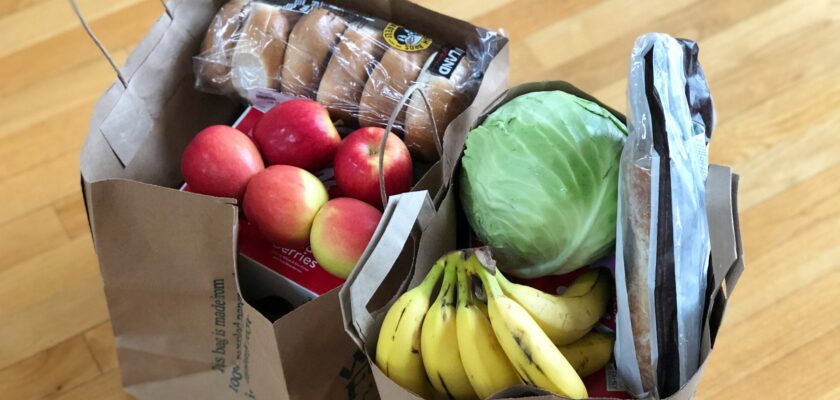
Eating healthy doesn’t have to be complicated.
In fact, many nutritionists agree that some of the best foods for your body are also among the easiest to find at your local grocery store. By choosing nutrient-rich foods that support heart health, digestion, brain function, and healthy aging, you can improve your overall well-being without following restrictive diets.
Whether you’re looking to boost your energy, strengthen your immune system, or simply make smarter food choices, these nutritionist-recommended foods deserve a permanent spot on your shopping list.
Why Your Grocery Choices Matter
Every trip to the grocery store is an opportunity to invest in your long-term health. Research consistently shows that diets rich in whole foods are associated with lower risks of heart disease, type 2 diabetes, obesity, and certain types of cancer.
Instead of focusing on trendy “superfoods,” nutrition experts recommend building your meals around everyday foods packed with vitamins, minerals, fiber, healthy fats, and lean protein.
Here are some of the healthiest foods to add to your grocery cart.
1. Leafy Green Vegetables
Leafy greens remain one of the healthiest foods available.
Some of the best options include:
- Spinach
- Kale
- Swiss chard
- Romaine lettuce
- Arugula
These vegetables are rich in vitamins A, C, and K, along with folate, calcium, magnesium, and antioxidants that help fight inflammation.
Health Benefits
- Supports heart health
- Promotes healthy bones
- Helps maintain healthy blood pressure
- May reduce the risk of chronic disease
- High in fiber while naturally low in calories
Aim to include at least one serving of leafy greens each day.
2. Blueberries
Blueberries consistently rank among nutritionists’ favorite fruits.
They contain powerful antioxidants called anthocyanins, which help protect cells from oxidative stress.
Why They’re Worth Buying
- High in vitamin C
- Excellent source of fiber
- Supports brain health
- May improve memory
- Naturally sweet with no added sugar
Fresh or frozen blueberries offer similar nutritional benefits, making frozen bags an affordable option year-round.
3. Greek Yogurt
Plain Greek yogurt provides an excellent combination of protein, calcium, and probiotics.
Unlike many flavored yogurts, plain varieties contain little or no added sugar.
Nutrition Benefits
- Supports digestive health
- Helps build muscle
- Promotes fullness
- Rich in calcium for strong bones
- Contains beneficial probiotics
For extra flavor, add fresh fruit, cinnamon, or a drizzle of honey instead of sugary toppings.
4. Salmon
Fatty fish like salmon is one of the best sources of omega-3 fatty acids.
These healthy fats play an important role in heart and brain health.
Benefits of Salmon
- High-quality protein
- Supports healthy cholesterol levels
- Rich in vitamin D
- Excellent source of vitamin B12
- May help reduce inflammation
Nutrition experts often recommend eating fish at least twice per week.
5. Oats
A bowl of oatmeal remains one of the healthiest breakfasts you can eat.
Whole oats contain beta-glucan, a type of soluble fiber known to support heart health.
Why Oats Stand Out
- Help lower LDL (“bad”) cholesterol
- Promote digestive health
- Keep you feeling full longer
- Provide steady energy
- Budget-friendly and versatile
Choose plain rolled or steel-cut oats over flavored instant packets with added sugars.
6. Eggs
Eggs have experienced a nutritional comeback in recent years.
They’re packed with protein, vitamins, and minerals while remaining relatively inexpensive.
Nutritional Advantages
- Complete protein source
- Rich in choline for brain function
- Contains vitamin D
- Supports eye health with lutein and zeaxanthin
- Helps maintain muscle mass
Most healthy adults can enjoy eggs as part of a balanced diet.
7. Beans and Lentils
Nutritionists often recommend adding more plant-based proteins to your meals.
Beans and lentils are excellent choices.
Popular varieties include:
- Black beans
- Chickpeas
- Kidney beans
- Pinto beans
- Lentils
Health Benefits
- High in fiber
- Excellent plant protein
- Supports healthy blood sugar
- Promotes digestive health
- Affordable and filling
They also pair well with soups, salads, tacos, and grain bowls.
8. Nuts
Almonds, walnuts, pistachios, and pecans provide healthy fats, protein, and important minerals.
Although calorie-dense, moderate portions can support weight management because they help increase feelings of fullness.
Best Choices
- Almonds
- Walnuts
- Pistachios
- Cashews
- Pecans
A small handful makes an excellent snack.
9. Avocados
Avocados offer heart-healthy monounsaturated fats along with fiber and potassium.
They’ve become a staple recommendation among dietitians.
Benefits Include
- Supports heart health
- Helps keep you satisfied
- Rich in potassium
- Good source of fiber
- Versatile for meals and snacks
Spread avocado on whole-grain toast or add slices to salads and sandwiches.
10. Sweet Potatoes
Sweet potatoes provide more than just great flavor.
They’re packed with nutrients including beta-carotene, which the body converts into vitamin A.
Health Advantages
- Supports eye health
- Rich in fiber
- Excellent source of vitamin C
- Contains potassium
- Naturally satisfying
Bake them, roast them, or mash them for a nutritious side dish.
11. Extra Virgin Olive Oil
Olive oil remains a cornerstone of the Mediterranean diet, one of the world’s most researched eating patterns.
Why Nutritionists Recommend It
- Rich in healthy monounsaturated fats
- Contains beneficial antioxidants
- Supports heart health
- May reduce inflammation
- Great for cooking and salad dressings
Choose extra virgin olive oil whenever possible for the highest antioxidant content.
12. Whole Grains
Whole grains provide more fiber and nutrients than refined grains.
Healthy options include:
- Brown rice
- Quinoa
- Farro
- Whole wheat bread
- Barley
Benefits
- Supports digestive health
- Helps stabilize blood sugar
- Provides lasting energy
- Rich in B vitamins
- May lower heart disease risk
Look for products labeled “100% whole grain.”
13. Apples
The saying “an apple a day” has endured for good reason.
Apples are affordable, portable, and packed with nutrients.
Why Apples Are a Smart Choice
- High in fiber
- Rich in vitamin C
- Supports digestive health
- Helps satisfy hunger
- Naturally sweet
Eating the skin provides additional fiber and antioxidants.
14. Broccoli
Broccoli is one of the most nutrient-dense vegetables available.
Key Nutrients
- Vitamin C
- Vitamin K
- Folate
- Fiber
- Antioxidants
Regularly eating cruciferous vegetables like broccoli may help support overall health and reduce inflammation.
15. Berries Beyond Blueberries
While blueberries get much of the attention, strawberries, raspberries, and blackberries are equally impressive.
These fruits provide:
- Fiber
- Vitamin C
- Antioxidants
- Natural sweetness
- Low calorie density
Mix different berries together for maximum nutritional variety.
Smart Grocery Shopping Tips
Buying healthy foods doesn’t require spending a fortune.
Consider these simple strategies:
- Shop the produce section first.
- Choose frozen fruits and vegetables when fresh options are expensive.
- Read nutrition labels carefully.
- Compare added sugar amounts.
- Buy whole grains instead of refined grains.
- Keep healthy snacks readily available.
- Plan meals before shopping.
- Stick to a grocery list to reduce impulse purchases.
Foods Nutritionists Often Suggest Limiting
Rather than banning foods completely, many experts recommend reducing your intake of:
- Sugary beverages
- Highly processed snack foods
- Excessive added sugars
- Processed meats
- Foods high in trans fats
- Refined grains
Small, sustainable improvements often produce better long-term results than extreme diets.
Building a Healthier Plate
A balanced meal doesn’t need to be complicated.
A simple formula includes:
- Half your plate filled with vegetables and fruits.
- One-quarter with lean protein like fish, chicken, eggs, beans, or tofu.
- One-quarter with whole grains such as brown rice or quinoa.
- Healthy fats from foods like olive oil, nuts, or avocado.
This approach provides a wide variety of nutrients while helping you stay satisfied.
The Bottom Line
Nutritionists agree that healthy eating starts with smart grocery shopping. Stocking your kitchen with foods like leafy greens, berries, salmon, Greek yogurt, beans, oats, nuts, whole grains, and healthy fats makes it easier to prepare nutritious meals throughout the week.
The goal isn’t perfection—it’s consistency. Even adding a few of these nutritionist-approved foods to your grocery list can support heart health, improve digestion, increase energy, and help you maintain a balanced diet over time.
By making thoughtful choices each time you shop, you’re building habits that can benefit your health for years to come.

