
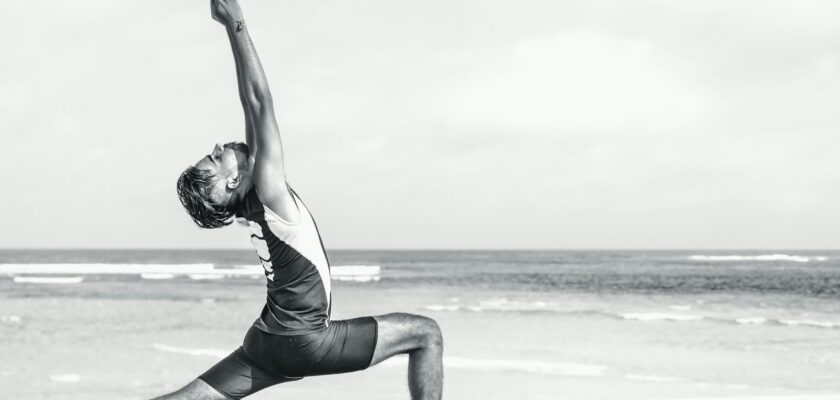
Like the benefits of yoga but don’t actually like yoga? Try this.
Yoga has long been a go-to exercise for flexibility, mindfulness, and relaxation. Its calming poses and flowing movements offer numerous benefits, including stress relief and improved mobility. But while yoga undoubtedly has its merits, there are other exercises out there that can work wonders for your body and mind—without requiring you to sit cross-legged for hours or master complex breathing techniques.
In this article, we’ll explore five unconventional exercises that may surprise you. These lesser-known practices not only challenge your body in different ways but can also help you achieve better strength, flexibility, and overall fitness. Ready to think outside the yoga mat? Let’s dive in!
1. Animal Flow
If you’re looking for a dynamic, full-body workout that builds strength, mobility, and coordination, Animal Flow might be just what you need. This bodyweight exercise system mimics the movements of animals, blending elements of yoga, breakdancing, and parkour to create a functional and fluid workout.
How it works: Animal Flow incorporates movements like “beast crawls,” “ape reaches,” and “crab walks,” which engage multiple muscle groups at once. These movements improve joint mobility, enhance core strength, and boost cardiovascular health. Plus, because it’s all bodyweight-based, you can do it anywhere, from the gym to the great outdoors.
Why it works: Animal Flow challenges both your body and your mind by requiring you to move in ways that feel unfamiliar or “unnatural.” This can activate muscles that are often underused in traditional exercise routines, helping to develop a more balanced and resilient body. It’s an excellent alternative for those seeking a fun, unconventional workout that still delivers serious results.
2. Dance-Based Workouts (Hip-Hop, Salsa, Ballet)
If you think dance is just for fun, think again. Dance-based workouts such as hip-hop, salsa, or even ballet can provide an intense and enjoyable cardio workout while improving flexibility, coordination, and muscle tone. These routines keep your heart rate up and often include high-intensity moves that torch calories while toning your entire body.
How it works: Dance workouts engage your core, legs, arms, and glutes, helping to strengthen and lengthen muscles. They also require mental focus to keep up with choreography, enhancing brain function and boosting mood through the release of endorphins. Whether you’re grooving to hip-hop beats or mastering the grace of ballet, your body will thank you for the diverse movements.
Why it works: Dance workouts offer an effective mix of cardio, strength, and flexibility training. The fast-paced, high-energy movements make it an excellent calorie-burning option, while the fluidity and gracefulness of many dance styles—like ballet or salsa—also improve posture and balance. Plus, dancing has been shown to improve cognitive function, which makes it a great workout for your mind as well as your body.
3. Kettlebell Training
Kettlebells are often overshadowed by dumbbells or barbells in many fitness routines, but they deserve a second look. Kettlebell training is an unconventional but highly effective way to improve strength, endurance, and overall fitness. These uniquely shaped weights allow for dynamic movements that engage multiple muscle groups at once, making them an excellent choice for functional training.
How it works: The distinctive design of the kettlebell allows for swinging, pressing, and lifting motions that target muscles throughout the entire body. Popular kettlebell exercises like the kettlebell swing, snatch, and turkish get-up build explosive strength, improve cardiovascular health, and increase flexibility. The focus on dynamic movement patterns also helps improve coordination and stability.
Why it works: Kettlebell exercises are known for their ability to target both upper and lower body muscles in a single movement, delivering a highly efficient workout in less time. The swinging motions engage your core and posterior chain (the muscles along your back and legs), improving overall posture and functional strength. Plus, kettlebells are portable and versatile, making them a great option for home workouts or outdoor sessions.
4. Aerial Fitness (Aerial Yoga, Pole Dance, Silks)
For those looking for something truly unconventional, aerial fitness is a unique and exciting way to build strength and flexibility while defying gravity. Whether you’re practicing aerial yoga in a silk hammock, performing acrobatic moves on a pole, or swinging from aerial silks, this type of exercise engages your muscles in ways that traditional workouts can’t.
How it works: Aerial fitness combines elements of yoga, gymnastics, and dance, using equipment like hammocks, silks, and poles to support your body in the air. These exercises require core strength, balance, and control as you move through different poses, spins, and holds. Aerial yoga, for example, uses the hammock to support your body in inversions and deep stretches, while pole dancing builds upper body strength and coordination.
Why it works: Aerial fitness challenges your body to move in three-dimensional space, which builds strength and flexibility in ways that traditional exercises can’t. The constant engagement of the core, combined with the unique movements and poses, helps improve coordination, muscle tone, and posture. It’s also a fantastic mood booster, as mastering new aerial moves can create a sense of accomplishment and excitement.
5. Slacklining
Slacklining is often associated with extreme sports, but it’s quickly gaining popularity as a full-body workout that can improve balance, strength, and focus. Imagine walking across a flat, tightrope-like rope suspended between two objects. That’s slacklining in a nutshell—but don’t be fooled; this is no easy feat.
How it works: To slackline, you walk or balance on a nylon webbing that’s tensioned between two anchor points, typically trees or poles. The constant need to stabilize your body and adjust to the shifting tension of the rope activates your core, legs, and stabilizing muscles. Slacklining also helps improve proprioception (your body’s awareness of space) and fine motor control.
Why it works: Slacklining is an excellent exercise for improving balance, coordination, and core strength. It also requires focus and concentration, which can help reduce stress and improve mental clarity. The dynamic movement and constant challenge to maintain balance activate a wide range of muscles, especially the stabilizing muscles around the ankles, hips, and spine.
Conclusion: Embrace the Unconventional
While yoga is a fantastic way to improve flexibility, mindfulness, and relaxation, there are countless other unconventional exercises that can help you achieve a more well-rounded fitness routine. From Animal Flow’s primal movements to the gravity-defying challenges of aerial fitness, there’s no shortage of creative ways to get your body moving.
So, whether you’re tired of your typical yoga practice or simply looking for something new to shake up your fitness routine, give one of these unconventional exercises a try. Not only will you break a sweat, but you might just discover a new passion for movement you never knew you had!
Remember, as with any new exercise program, it’s important to listen to your body and consult with a fitness professional or healthcare provider if you’re new to these activities or have any pre-existing health conditions. Stay safe and have fun moving!

