
Millions of people take medications every day without giving much thought to how those drugs affect their bodies.
While medications can be essential for managing pain, reducing inflammation, controlling blood pressure, and treating countless other conditions, one common mistake could be putting your kidneys at risk without you even realizing it.
Health experts warn that improper use of certain medications is a leading cause of preventable kidney problems. Understanding this mistake and how to avoid it could help protect one of the most important organs in your body.
Why Your Kidneys Matter
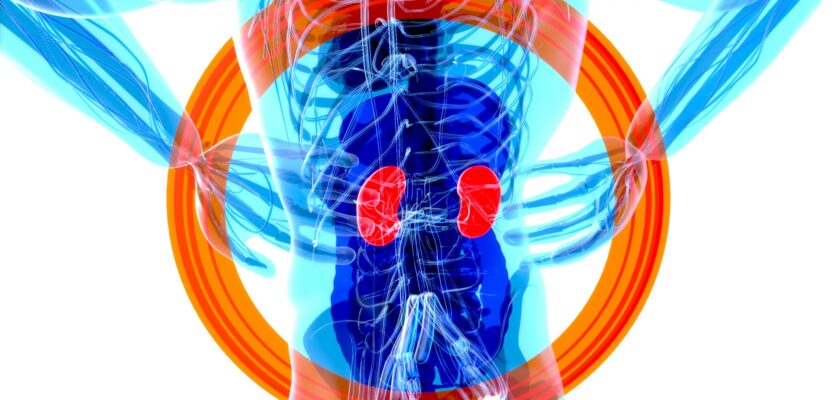
Your kidneys work around the clock to filter waste, balance fluids, regulate blood pressure, and remove toxins from your bloodstream. Every day, these bean-shaped organs process roughly 50 gallons of blood to keep your body functioning properly.
When the kidneys become damaged, waste products can build up in the body, potentially leading to serious health complications. Because kidney disease often develops gradually and without obvious symptoms, many people don’t realize there is a problem until significant damage has already occurred.
The Common Medication Mistake
One of the biggest mistakes people make is regularly taking over-the-counter pain relievers without following recommended guidelines.
Nonsteroidal anti-inflammatory drugs (NSAIDs), including common medications used for headaches, back pain, arthritis, and muscle aches, can reduce blood flow to the kidneys when taken too frequently or in excessive amounts.
While these medications are generally safe when used as directed, long-term misuse can increase the risk of kidney injury, especially in older adults or individuals with certain medical conditions.
Many people assume that because a medication is available without a prescription, it carries little risk. However, even over-the-counter medicines can have significant effects on kidney health when not used properly.
Who Faces the Greatest Risk?
Certain individuals are more vulnerable to medication-related kidney problems, including:
- Adults over age 60
- People with high blood pressure
- Individuals with diabetes
- Those with heart disease
- Anyone with existing kidney issues
- People who are dehydrated
- Individuals taking multiple medications
For these groups, even routine medication use may require extra caution and medical guidance.
The Hidden Danger of Dehydration
Another factor that increases kidney risk is dehydration.
When the body lacks adequate fluids, the kidneys receive less blood flow and must work harder to perform their filtering functions. Combining dehydration with frequent use of certain medications can create additional stress on the kidneys.
This is especially important during hot weather, illness, strenuous exercise, or periods of excessive sweating.
Staying properly hydrated can help support healthy kidney function and reduce unnecessary strain on these vital organs.
Mixing Medications Can Increase Risk
Many people take multiple medications without realizing how they may interact.
Combining certain prescription drugs, supplements, and over-the-counter pain relievers can place added stress on the kidneys. In some cases, medication combinations can reduce kidney function or increase the risk of side effects.
Always inform your healthcare provider about every medication and supplement you take, including vitamins and herbal products.
A complete medication review can help identify potential concerns before they become serious problems.
Warning Signs of Kidney Trouble
Kidney damage can develop quietly, but some symptoms may appear as the condition progresses:
- Swelling in the feet, ankles, or hands
- Fatigue or unusual tiredness
- Changes in urination habits
- Shortness of breath
- Persistent nausea
- Difficulty concentrating
- Muscle cramps
- High blood pressure
These symptoms can be associated with many different health conditions, so it’s important to seek medical advice if they occur.
Simple Ways to Protect Your Kidneys
Fortunately, protecting your kidneys often comes down to a few simple habits:
Follow Medication Instructions Carefully
Never exceed the recommended dose unless directed by a healthcare professional. More medication does not necessarily mean better results.
Stay Hydrated
Drinking enough water throughout the day helps support normal kidney function and assists the body in removing waste products.
Schedule Regular Checkups
Routine medical visits can help detect early signs of kidney issues before symptoms appear.
Monitor Existing Health Conditions
Managing diabetes, high blood pressure, and heart disease can significantly reduce the risk of kidney complications.
Ask Questions
If you’re unsure about a medication’s potential effects on your kidneys, speak with your doctor or pharmacist. They can help determine whether a medication is appropriate for your individual health situation.
The Bottom Line
The common medication mistake that could be hurting your kidneys is assuming that over-the-counter medications are always harmless and using them more often or in higher amounts than recommended.
Your kidneys perform essential functions every minute of every day, and protecting them should be a priority. By using medications responsibly, staying hydrated, and maintaining regular communication with healthcare professionals, you can help support long-term kidney health and reduce your risk of preventable complications.
Small changes in medication habits today could make a significant difference in preserving kidney function for years to come.
Medical Disclaimer:
The information provided in this article is for educational and informational purposes only and should not be considered medical advice, diagnosis, or treatment. Always consult a qualified healthcare professional regarding any medical concerns, symptoms, or questions about medications, supplements, or health conditions. Never disregard professional medical advice or delay seeking treatment because of something you have read in this article. Individual health needs vary, and only a licensed healthcare provider can provide guidance tailored to your specific situation. If you believe you may be experiencing a medical emergency, contact your doctor or seek emergency medical care immediately.

