
Taking care of your heart doesn’t have to mean following a complicated diet or giving up all your favorite meals.
In fact, some of the best foods for cardiovascular health are affordable, easy to find, and may already be sitting in your kitchen.
Heart disease remains one of the leading health concerns in the United States, making everyday nutrition an important part of maintaining long-term health. While genetics, age, and other factors can influence cardiovascular risk, the foods you eat can also play a significant role in supporting healthy cholesterol levels, blood pressure, and circulation.
According to the American Heart Association, a heart-healthy eating pattern emphasizes fruits, vegetables, whole grains, nuts, legumes, and nutritious sources of protein while limiting excess sodium, added sugars, and saturated fats.
The good news is that improving your diet doesn’t require expensive specialty products or a complete lifestyle overhaul.
Here are seven heart-healthy foods worth adding to your grocery list, along with simple ways to enjoy them.
1. Oatmeal: A Simple Breakfast That Supports Healthy Cholesterol
Oatmeal is one of the most convenient and affordable breakfast options for people looking to support their heart health.
Oats contain a type of soluble fiber called beta-glucan, which can help lower LDL cholesterol, commonly known as “bad” cholesterol.
Elevated LDL cholesterol can contribute to plaque buildup in the arteries, increasing the risk of heart disease and stroke.
Eating fiber-rich foods such as oatmeal may help improve cholesterol levels when combined with an overall healthy diet.
Oatmeal can also help you feel satisfied longer, making it a useful option for people trying to manage their weight.
Easy ways to enjoy oatmeal:
- Prepare plain oatmeal with fresh berries and cinnamon.
- Add chopped walnuts for additional nutrients.
- Choose traditional or steel-cut oats without added sugar.
- Make overnight oats for a convenient breakfast.
When shopping, check the nutrition label on flavored oatmeal packets. Some varieties contain substantial amounts of added sugar.
A bowl of plain oatmeal topped with fruit can provide a nutritious start to your morning without requiring much preparation.
2. Salmon: A Delicious Source of Heart-Healthy Omega-3s
Salmon is frequently recommended as part of a heart-healthy diet because it contains omega-3 fatty acids.
These beneficial fats support cardiovascular health and can help lower elevated triglyceride levels.
Triglycerides are a type of fat found in the blood. High levels may contribute to cardiovascular risk, especially when combined with other conditions.
Omega-3 fatty acids are also important for normal cellular function.
The American Heart Association generally recommends eating fish, particularly fatty fish, twice per week.
Salmon is an excellent option, but it isn’t the only choice. Sardines, trout, and certain types of mackerel also provide beneficial omega-3 fats.
Easy ways to enjoy salmon:
- Bake salmon with lemon, garlic, and herbs.
- Serve grilled salmon with vegetables and brown rice.
- Add cooked salmon to a fresh green salad.
- Use lower-sodium canned salmon for sandwiches.
If fresh salmon is too expensive, frozen or canned varieties can provide similar nutritional benefits.
The preparation method also matters. Baking, grilling, or broiling fish is generally preferable to deep-frying it.
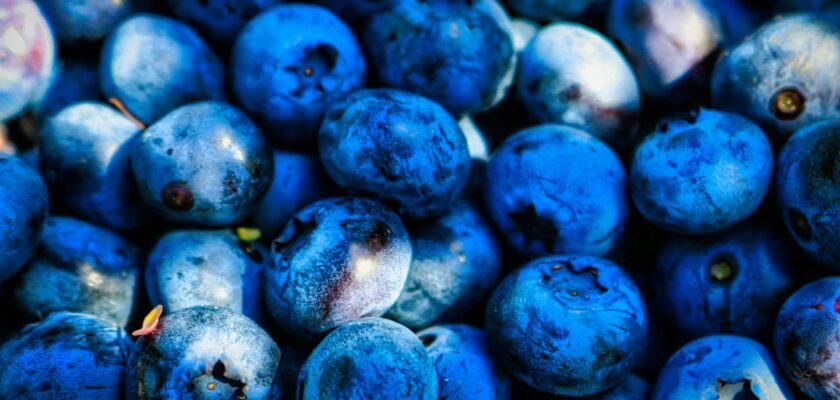
3. Blueberries: Small Fruits With Valuable Nutrients
Blueberries may be small, but they contain an impressive combination of vitamins, fiber, and plant compounds.
One of their most notable features is their concentration of anthocyanins, the natural pigments that give blueberries their distinctive color.
Anthocyanins belong to a group of plant compounds called flavonoids, which have been studied for their potential cardiovascular benefits.
Research suggests that diets rich in berries and other colorful fruits may help support blood vessel function and overall heart health.
Blueberries also provide dietary fiber, which contributes to healthy digestion and cholesterol management.
Another advantage is their versatility.
Easy ways to enjoy blueberries:
- Add them to oatmeal or unsweetened yogurt.
- Blend them into a smoothie without added sugar.
- Enjoy them as a snack instead of candy or pastries.
- Sprinkle them over whole-grain cereal.
Fresh blueberries can sometimes be expensive, especially when they’re out of season.
Fortunately, frozen blueberries are a convenient alternative and can be purchased throughout the year.
Choose varieties without added sugar to receive the nutritional benefits without unnecessary sweeteners.
4. Walnuts: A Crunchy Snack With Healthy Fats
If you’re looking for a snack that supports cardiovascular health, walnuts are worth considering.
Walnuts contain unsaturated fats, plant-based omega-3 fatty acids, fiber, and several important minerals.
Replacing snacks high in saturated fat with modest portions of nuts may help improve overall dietary quality and support healthy cholesterol levels.
Walnuts also contain alpha-linolenic acid, or ALA, a plant-based omega-3 fatty acid.
Although plant-based omega-3s work differently from the omega-3s found in fish, they can still contribute to a nutritious eating pattern.
Because walnuts are calorie-dense, portion size matters.
A small handful, approximately one ounce, is a reasonable serving for many adults.
Easy ways to enjoy walnuts:
- Add chopped walnuts to oatmeal.
- Sprinkle them over a vegetable salad.
- Mix them with unsweetened dried fruit.
- Enjoy a small portion as an afternoon snack.
When possible, choose unsalted walnuts to avoid adding unnecessary sodium.
Almonds, pecans, and pistachios can also fit into a heart-healthy diet, especially when purchased without added salt or sugary coatings.
5. Spinach: A Nutrient-Rich Vegetable for Healthy Blood Pressure
Leafy green vegetables deserve a regular place on your grocery list, and spinach is one of the easiest to incorporate into meals.
Spinach provides potassium, magnesium, folate, and other essential nutrients.
Potassium plays an important role in maintaining normal blood pressure by helping the body regulate sodium balance.
Magnesium also contributes to normal muscle and nerve function, including processes involved in cardiovascular health.
Spinach contains naturally occurring dietary nitrates, which the body can convert into compounds involved in blood vessel function.
Although spinach alone cannot prevent or treat high blood pressure, it can be a valuable part of a balanced eating plan.
Easy ways to enjoy spinach:
- Add fresh spinach to scrambled eggs.
- Mix it into soups or homemade pasta dishes.
- Prepare a spinach salad with olive oil dressing.
- Add a handful to fruit smoothies.
- Sauté spinach with garlic and a small amount of olive oil.
Frozen spinach is another affordable choice.
It can be stored for extended periods and works particularly well in soups, casseroles, and cooked dishes.
People with certain kidney conditions or those taking medications that affect potassium levels should discuss major dietary changes with their healthcare provider. People taking warfarin should also maintain a consistent intake of vitamin K-rich foods, including spinach.
6. Beans: An Affordable Food That Supports Heart Health
Beans are among the most budget-friendly foods you can buy, and they offer several important nutritional benefits.
Black beans, kidney beans, chickpeas, and pinto beans provide plant-based protein, dietary fiber, potassium, and magnesium.
Their fiber content is particularly beneficial for cardiovascular health.
Soluble fiber can help reduce LDL cholesterol, while replacing some higher-saturated-fat meats with beans may improve the overall nutritional quality of your meals.
Beans are also naturally low in saturated fat.
For adults trying to prepare satisfying meals without spending a fortune, dried or canned beans can be especially practical.
Easy ways to enjoy beans:
- Add black beans to tacos or burrito bowls.
- Use kidney beans in homemade chili.
- Mix chickpeas into vegetable salads.
- Prepare bean soup with carrots and onions.
- Substitute beans for some ground beef in favorite recipes.
One important consideration is sodium.
Some canned beans contain significant amounts of added salt. Look for low-sodium or no-salt-added varieties, and rinse canned beans before serving.
Making these simple choices can help keep your meals nutritious while controlling unnecessary sodium intake.
7. Extra-Virgin Olive Oil: A Smart Alternative to Butter
Not all dietary fats affect the body in the same way.
Extra-virgin olive oil contains primarily monounsaturated fats, which can support cardiovascular health when used in place of foods high in saturated fat.
Replacing butter and certain other saturated fats with unsaturated plant oils may help lower LDL cholesterol.
Olive oil is also a major component of Mediterranean-style eating patterns, which have been associated with better cardiovascular outcomes.
Extra-virgin olive oil contains naturally occurring plant compounds, including polyphenols.
While olive oil is nutritious, it is still calorie-dense, so moderate portions are important.
Easy ways to enjoy olive oil:
- Use it to sauté vegetables.
- Combine it with lemon juice for salad dressing.
- Drizzle a small amount over roasted vegetables.
- Use it instead of butter in appropriate recipes.
- Add it to homemade bean dishes or whole-grain meals.
You don’t need to purchase the most expensive bottle on the shelf.
Choose an olive oil that fits your budget, store it away from excessive heat and light, and use it as a replacement for less heart-healthy fats rather than simply adding more oil to your diet.
Why Your Overall Diet Matters More Than Any Single Food
Although these seven foods provide important nutrients, no individual food can guarantee protection against heart disease.
What matters most is the overall pattern of what you eat consistently.
The National Heart, Lung, and Blood Institute recommends the DASH eating plan, which emphasizes vegetables, fruits, whole grains, low-fat dairy products, beans, nuts, and lean protein sources.
The DASH diet has been shown to help lower blood pressure and LDL cholesterol.
It also encourages limiting sodium, saturated fats, and added sugars.
For many people, particularly adults over 50, managing blood pressure and cholesterol becomes increasingly important as cardiovascular risk rises with age.
However, dietary changes should complement—not replace—prescribed medications, routine medical appointments, and other recommended treatments.
How to Make Your Grocery List More Heart-Friendly
Improving your diet doesn’t have to happen overnight.
Small, consistent adjustments are often easier to maintain than dramatic changes.
For example, replacing a sugary breakfast cereal with plain oatmeal can increase your fiber intake.
Choosing beans instead of processed meat for some meals may reduce saturated fat consumption.
Swapping butter for olive oil in appropriate dishes can improve the types of fat in your diet.
You can also make shopping easier by planning several meals before visiting the grocery store.
Keeping frozen vegetables, canned beans, whole grains, and other convenient ingredients available can help reduce your reliance on highly processed meals.
Reading nutrition labels is another useful habit.
Pay particular attention to sodium, saturated fat, added sugar, and dietary fiber.
Choosing foods with more fiber and less sodium can be a practical step toward supporting long-term cardiovascular health.
Remember that frozen and canned foods are not automatically unhealthy. Many affordable options can be highly nutritious when you choose products with limited added salt, sugar, and saturated fat.
Frequently Asked Questions About Heart-Healthy Foods
What is the best food for lowering cholesterol?
There is no single best food for everyone. However, oatmeal, beans, and other foods rich in soluble fiber can help lower LDL cholesterol. Nuts and unsaturated plant oils can also support healthy cholesterol levels when they replace foods high in saturated fat.
Can eating healthier foods help lower blood pressure?
Yes. Eating patterns rich in vegetables, fruits, whole grains, and other nutrient-dense foods can help manage blood pressure. The DASH eating plan is particularly well-supported by research.
However, individuals with hypertension should continue following their healthcare provider’s recommendations.
Are frozen fruits and vegetables as healthy as fresh ones?
Frozen fruits and vegetables can be excellent nutritional alternatives to fresh produce. They are often more affordable, last longer, and make it easier to keep nutritious foods available.
Look for products without added sugar, excessive salt, or heavy sauces.
What foods should people with heart concerns limit?
A heart-healthy diet generally limits processed meats, foods high in saturated fat, excessive sodium, sugary beverages, and heavily processed snacks.
You don’t necessarily need to eliminate every favorite food, but choosing nutritious alternatives more often can improve your overall eating pattern.
Is it too late to improve your diet after age 50?
No. Healthier eating habits can offer benefits at many ages.
Making changes to improve cholesterol, blood pressure, and overall nutrition can support cardiovascular health later in life.
Your healthcare provider or a registered dietitian can help identify dietary changes appropriate for your medical history and nutritional needs.
The Bottom Line
Supporting your heart health can begin with something as simple as changing what goes into your grocery cart.
Oatmeal, salmon, blueberries, walnuts, spinach, beans, and extra-virgin olive oil are all nutritious foods that can fit into a balanced cardiovascular-friendly diet.
Better yet, many of these ingredients are affordable, widely available, and easy to incorporate into meals you already enjoy.
The most important goal isn’t to follow a perfect diet every single day. It’s to make realistic, sustainable choices that support your health over time.
By combining nutritious foods with regular physical activity, appropriate medical care, sufficient sleep, and other healthy habits, you can take meaningful steps toward protecting your heart for years to come.
Medical Disclaimer: This article is intended for general educational and informational purposes only. It does not constitute medical advice, diagnosis, or treatment. Always consult a qualified healthcare professional before making significant dietary changes, especially if you have heart disease, kidney disease, diabetes, or other medical conditions.

