
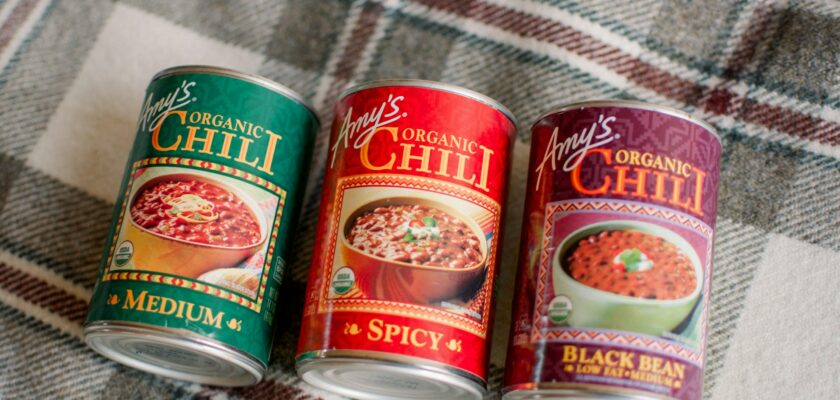
Everyone buys canned food, but have u considered this?
Canned foods have long been a convenient option for busy households, offering a shelf-stable alternative to fresh produce and proteins. However, the question remains: are they a healthy pantry staple? In this article, we’ll explore the nutritional benefits, potential downsides, and tips for incorporating canned foods into a balanced diet.
Nutritional Benefits of Canned Foods
- Long Shelf Life: Canned foods are designed to last, making them a practical choice for stocking up your pantry. This extended shelf life helps reduce food waste and ensures you always have something nutritious on hand.
- Nutrient Retention: The canning process involves cooking the food at high temperatures, which can help preserve essential nutrients. Many canned vegetables, for instance, retain most of their vitamins and minerals, making them a convenient way to meet your daily vegetable intake.
- Accessibility and Affordability: Canned foods are often more affordable than fresh produce, particularly out of season. This accessibility can help families maintain a nutritious diet without breaking the bank.
- Variety and Convenience: Canned foods come in a wide variety of options—beans, tomatoes, fruits, and fish—making it easy to add diverse flavors and textures to meals. They are also pre-cooked, which can save time during meal preparation.
Potential Downsides
- Sodium Content: One of the main concerns with canned foods is their sodium content. Many canned vegetables and soups are high in salt, which can contribute to hypertension and other health issues. Opting for low-sodium or no-salt-added versions can mitigate this risk.
- BPA Concerns: Some canned foods are packaged in cans lined with bisphenol A (BPA), a chemical that has raised health concerns. Although many manufacturers are now using BPA-free packaging, it’s still wise to check labels or choose brands that prioritize safe materials.
- Added Sugars and Preservatives: Canned fruits may be packed in syrup, which adds unnecessary sugars. Similarly, some canned soups and sauces may contain preservatives or artificial ingredients. Always read the ingredient list to make informed choices.
Tips for Including Canned Foods in Your Diet
- Choose Wisely: When selecting canned goods, look for options with minimal ingredients. For vegetables, aim for those packed in water or low-sodium versions. For fruits, choose those in their own juice rather than syrup.
- Rinse Before Use: Rinsing canned beans, vegetables, and legumes can help reduce sodium levels significantly. This simple step can enhance the healthfulness of these foods.
- Mix and Match: Incorporate canned foods into your meals creatively. Add canned tomatoes to pasta dishes, mix beans into salads, or use canned fish in sandwiches and wraps. This not only boosts nutrition but also adds flavor.
- Mind the Portions: While canned foods can be convenient, it’s essential to balance them with fresh produce and other whole foods. Aim for a variety of food sources to ensure you’re getting a wide range of nutrients.
Conclusion
Canned foods can certainly be a healthy addition to your pantry when chosen wisely. They offer convenience, variety, and nutrition, making them suitable for quick meals and busy lifestyles. By being mindful of sodium, sugar content, and packaging, you can enjoy the benefits of canned foods while maintaining a balanced diet. So the next time you’re at the grocery store, don’t overlook those cans—they might just be the pantry staple you need!

