
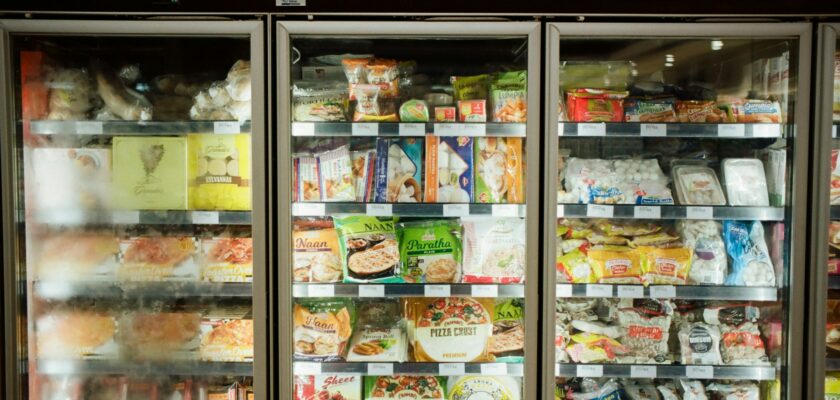
Frozen meals are cheap and fast, but are they healthy?
Frozen meals have become a staple in many households, providing convenience and variety for busy individuals and families. However, the question remains: are frozen meals healthy? Let’s explore the nutritional aspects, benefits, and potential drawbacks of these pre-packaged options.
The Nutritional Landscape
Ingredients Matter
Not all frozen meals are created equal. The healthiness of a frozen meal largely depends on its ingredients. Many brands offer meals packed with whole grains, lean proteins, and a variety of vegetables, while others may contain high levels of sodium, unhealthy fats, and artificial preservatives. When shopping for frozen meals, it’s essential to read the labels and choose options that prioritize wholesome ingredients.
Portion Control
Frozen meals can be an excellent tool for portion control. Many are designed to provide balanced servings of protein, carbs, and fats, which can help prevent overeating. However, some meals may be smaller in size and lacking in calories, potentially leading to unsatisfactory hunger levels afterward. Balancing these meals with additional healthy sides, like salads or fresh fruit, can enhance their nutritional value.
Benefits of Frozen Meals
Convenience
One of the most significant advantages of frozen meals is their convenience. They are quick to prepare, making them ideal for hectic days when cooking from scratch is not an option. This convenience can help individuals stick to healthier eating patterns, as having a nutritious meal readily available reduces the temptation to opt for fast food or less healthy options.
Long Shelf Life
Frozen meals typically have a longer shelf life than fresh products, reducing food waste. This makes them a practical option for those who may not have time to shop for groceries regularly.
Retained Nutrients
Surprisingly, freezing can help preserve the nutrients in fruits and vegetables. Many frozen meals are flash-frozen shortly after harvest, locking in vitamins and minerals. This can make frozen produce a nutritious option, sometimes even more so than fresh produce that has been stored for several days.
Potential Drawbacks
Sodium and Preservatives
One major concern with frozen meals is their often high sodium content. Many frozen dishes are designed to enhance flavor and shelf stability, leading to excessive salt usage. Consuming too much sodium can lead to health issues like hypertension. Opting for low-sodium options when available can mitigate this concern.
Lack of Freshness
While frozen meals can be nutritious, they may lack the freshness and texture of home-cooked meals. Some people may find them less satisfying compared to fresh ingredients, which can affect overall meal enjoyment and adherence to healthy eating.
Hidden Additives
Certain frozen meals may contain preservatives, artificial flavors, and added sugars that can undermine their health benefits. Being vigilant about ingredient lists is crucial for making informed choices.
Making Healthy Choices
To navigate the frozen meal aisle effectively, consider the following tips:
- Check the Ingredients: Look for whole food ingredients and avoid meals with long lists of additives.
- Watch the Sodium: Aim for options with less than 600 mg of sodium per serving.
- Focus on Balance: Choose meals that include a good balance of protein, fiber, and healthy fats.
- Supplement Wisely: Pair frozen meals with fresh veggies or a side salad for added nutrients and fiber.
- Limit Frequency: While convenient, try not to rely solely on frozen meals. Incorporating fresh foods into your diet is essential for overall health.
Conclusion
Frozen meals can be a healthy part of your diet if you choose wisely. With careful selection based on nutritional content and ingredient quality, they can provide a quick, convenient, and satisfying meal option. Ultimately, the key lies in being informed and making choices that align with your health goals.

