
Taking care of your heart becomes increasingly important as you get older, and one of the simplest ways to support cardiovascular health may be through the foods you eat every day.
While many Americans focus on reducing salt, cholesterol, and unhealthy fats, another essential nutrient deserves attention: potassium.
Potassium is an important mineral that helps regulate blood pressure, supports healthy muscle function, and keeps the heart’s electrical system working properly. Getting enough potassium through a balanced diet may help maintain healthy blood pressure and support long-term heart health.
The good news is that potassium is naturally found in many affordable, delicious foods available at most grocery stores.
Here are eight potassium-rich foods worth considering for your daily diet, especially if you’re looking to protect your heart as you age.
1. Bananas: A Simple Snack for Heart Health
Bananas are among the most recognizable sources of potassium, and for good reason.
A medium banana contains approximately 450 milligrams of potassium, making it a convenient option for anyone looking to increase their intake of this essential mineral.
Potassium helps the body manage sodium levels and supports the normal functioning of blood vessels. Maintaining a healthy balance between potassium and sodium can play an important role in blood pressure management.
Bananas also provide vitamin B6, fiber, and natural carbohydrates that help supply energy throughout the day.
One of their biggest advantages is convenience. Bananas require no preparation and can easily be included in breakfast or enjoyed as an afternoon snack.
Easy way to enjoy them: Slice a banana over oatmeal, mix it into plain yogurt, or enjoy one with a small handful of unsalted nuts.
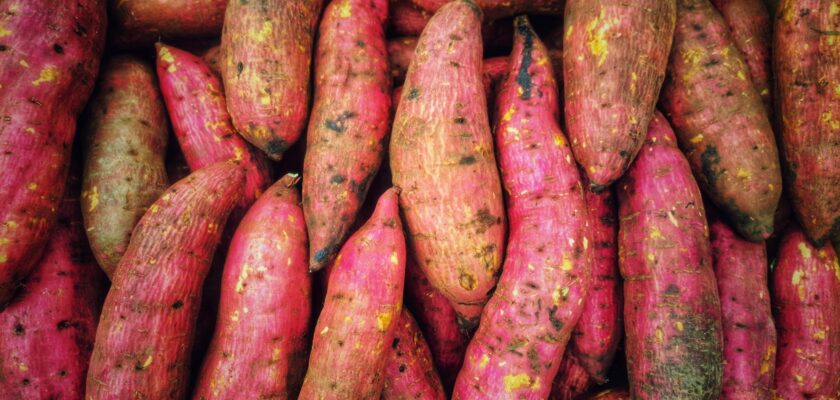
2. Sweet Potatoes: A Nutrient-Rich Choice for Your Heart
Sweet potatoes are a nutritious addition to a heart-conscious diet.
A medium sweet potato provides more than 500 milligrams of potassium, along with fiber, vitamin C, and beta-carotene, which the body converts into vitamin A.
Their potassium content can help support normal blood pressure regulation, while their fiber contributes to overall cardiovascular wellness.
Sweet potatoes also contain antioxidants that help protect cells from oxidative damage.
Unlike many processed side dishes, sweet potatoes can be prepared with very little added sodium, making them a practical alternative to heavily salted foods.
They are naturally flavorful and can be baked, roasted, or mashed.
Easy way to enjoy them: Bake a sweet potato and top it with cinnamon or a small amount of olive oil instead of loading it with butter and salt.
3. Spinach: A Leafy Green Packed With Potassium
Spinach is one of the most nutrient-dense vegetables you can add to your meals.
Just half a cup of cooked spinach can provide approximately 590 milligrams of potassium.
In addition to potassium, spinach contains magnesium, folate, and beneficial plant compounds that support overall health.
Magnesium contributes to normal muscle and nerve function, while potassium helps regulate fluid balance and blood pressure.
Spinach also contains naturally occurring nitrates, which the body can convert into compounds that help blood vessels relax.
For older adults, including leafy greens in a balanced diet can be a useful way to support cardiovascular health while obtaining several important vitamins and minerals.
Easy way to enjoy it: Add fresh spinach to scrambled eggs, toss it into homemade soups, or lightly sauté it with olive oil and garlic.
4. Avocados: Healthy Fats and Potassium in One Food
Avocados are often praised for their healthy fats, but they are also a valuable source of potassium.
Half of a medium-sized avocado typically provides several hundred milligrams of potassium, depending on its size.
What makes avocados particularly appealing for heart health is their combination of potassium, fiber, and monounsaturated fats.
Monounsaturated fats can help improve cholesterol levels when they replace saturated fats in the diet.
That makes avocados a useful alternative to ingredients such as butter, mayonnaise, or certain creamy dressings.
Their potassium content also supports the body’s ability to maintain normal blood pressure.
Although avocados are relatively high in calories, moderate portions can fit comfortably into a heart-healthy eating plan.
Easy way to enjoy them: Spread mashed avocado on whole-grain toast, add slices to a salad, or use it as a sandwich topping.
5. White Beans: An Affordable Source of Heart-Friendly Nutrients
Beans are one of the most budget-friendly foods for supporting heart health.
White beans, in particular, provide substantial amounts of potassium along with protein, fiber, iron, and magnesium.
Depending on the variety and preparation, half a cup of cooked white beans can provide several hundred milligrams of potassium.
Their high fiber content is especially important because soluble fiber can help lower LDL cholesterol, often called bad cholesterol.
Beans may also help support healthy blood sugar management, which matters because diabetes is an important risk factor for heart disease.
Another advantage is that beans can replace some higher-fat meat dishes without sacrificing protein.
For older adults who want nutritious meals without increasing grocery expenses, dried or canned beans can be an excellent choice.
Easy way to enjoy them: Add white beans to vegetable soup, mix them into a salad, or serve them with brown rice and roasted vegetables. Choose no-salt-added canned beans when possible.
6. Salmon: Potassium and Omega-3 Fatty Acids
Salmon offers two important nutritional benefits for cardiovascular health: potassium and omega-3 fatty acids.
A small baked salmon fillet may provide approximately 760 milligrams of potassium, depending on its size.
Potassium helps maintain normal blood pressure, while omega-3 fatty acids provide additional heart-related benefits.
These healthy fats can help lower triglyceride levels and support cardiovascular function.
Salmon also provides high-quality protein and vitamin B12, both of which are particularly valuable as people age.
Eating fish as part of a balanced diet is associated with better cardiovascular health, especially when it replaces processed meats or foods high in saturated fat.
The American Heart Association generally recommends eating fish, particularly fatty fish, twice per week.
Easy way to enjoy it: Bake salmon with lemon, garlic, and herbs. Serve alongside steamed vegetables and a baked sweet potato for a nutrient-rich dinner.
7. Plain Yogurt: A Potassium-Rich Breakfast Option
Yogurt is often associated with calcium and strong bones, but it can also contribute meaningful amounts of potassium.
A typical serving of yogurt may provide several hundred milligrams of potassium, with the exact amount depending on the type and brand.
Yogurt also supplies protein and calcium, which are essential for maintaining muscle and bone health.
Some varieties contain live and active cultures that may support digestive health.
For people over 50, getting adequate protein is especially important because muscle mass naturally tends to decline with age.
Choosing plain, low-fat yogurt can offer these nutritional benefits without the large amounts of added sugar found in some flavored varieties.
However, it is important to check nutrition labels because potassium levels vary considerably between regular and Greek yogurt.
Easy way to enjoy it: Top plain yogurt with sliced bananas, fresh berries, or a sprinkle of unsalted nuts.
8. Potatoes: An Often-Overlooked Potassium Powerhouse
Regular potatoes sometimes receive an unfair reputation because they are frequently served as French fries or loaded with salt and butter.
However, a plain baked potato can be an excellent source of potassium.
A medium baked potato with its skin may contain approximately 900 milligrams of potassium, making it one of the more concentrated sources among common everyday foods.
Potatoes also provide vitamin C, vitamin B6, and fiber, particularly when the skin is eaten.
Their potassium content supports normal muscle function and helps the body maintain healthy fluid balance.
The key is how potatoes are prepared.
Deep-frying or adding excessive salt, cheese, and butter can significantly change the nutritional profile of an otherwise wholesome food.
Easy way to enjoy them: Bake a potato with the skin on and top it with plain yogurt, steamed broccoli, or fresh herbs.
Why Potassium Becomes Especially Important After Age 50
As people grow older, maintaining healthy blood pressure becomes increasingly important.
High blood pressure is a major risk factor for heart attacks, strokes, and other cardiovascular problems.
Unfortunately, high blood pressure often develops without noticeable symptoms, which is why regular blood pressure monitoring is essential.
Potassium helps regulate blood pressure in two important ways.
First, it helps the body remove excess sodium through urine. Consuming too much sodium can contribute to elevated blood pressure.
Second, potassium helps relax the walls of blood vessels, which can support healthier blood flow.
The American Heart Association recommends that most adult women consume approximately 2,600 milligrams of potassium daily and most adult men consume approximately 3,400 milligrams.
For some adults with elevated blood pressure, higher dietary potassium intake may be beneficial when medically appropriate.
However, individual needs vary based on kidney function, medications, and overall health.
Important Warning: Not Everyone Should Increase Potassium
Although potassium is essential for heart health, consuming too much can be dangerous for certain individuals.
People with chronic kidney disease may have difficulty removing excess potassium from their bloodstream.
Some prescription medications, including certain blood pressure drugs and potassium-sparing diuretics, can also increase potassium levels.
Excess potassium in the blood, known as hyperkalemia, can cause potentially serious heart rhythm problems.
Anyone with kidney disease, a history of elevated potassium levels, or medications that affect potassium should speak with a healthcare professional before significantly increasing potassium intake.
Potassium supplements and potassium-based salt substitutes should also be used only with appropriate medical guidance.
For most healthy adults, obtaining potassium through ordinary foods is generally preferable to taking supplements.
Other Simple Habits That Support a Healthy Heart
Eating more potassium-rich foods is only one part of maintaining cardiovascular health.
A heart-friendly lifestyle also includes reducing excess sodium, staying physically active, maintaining a healthy weight, avoiding tobacco, and getting sufficient sleep.
Choosing more fruits, vegetables, whole grains, beans, and fish can make a meaningful difference over time.
The DASH diet, which stands for Dietary Approaches to Stop Hypertension, is one well-established eating pattern that emphasizes many of these foods.
Regular exercise, such as walking, swimming, or cycling, can also support healthy blood pressure and cardiovascular fitness.
Most importantly, dietary improvements should complement—not replace—prescribed medications or medical treatment.
The Bottom Line
Protecting your heart does not necessarily require expensive supplements, restrictive diets, or dramatic changes to your daily routine.
Sometimes, the most effective improvements begin with familiar foods already sitting in your kitchen.
Bananas, sweet potatoes, spinach, avocados, white beans, salmon, yogurt, and potatoes all provide valuable potassium along with other nutrients that support overall wellness.
When incorporated into a balanced eating plan, these foods can help support healthy blood pressure and contribute to better cardiovascular health.
For adults over 50, making thoughtful food choices today may be an important investment in staying healthy, active, and independent for years to come.
Small dietary improvements, practiced consistently, can help build the foundation for a healthier heart.
Medical disclaimer: This article is for general educational purposes and is not a substitute for professional medical advice, diagnosis, or treatment. Consult your healthcare provider before making significant dietary changes, particularly if you have kidney disease, heart disease, or take prescription medications that affect potassium levels.

