
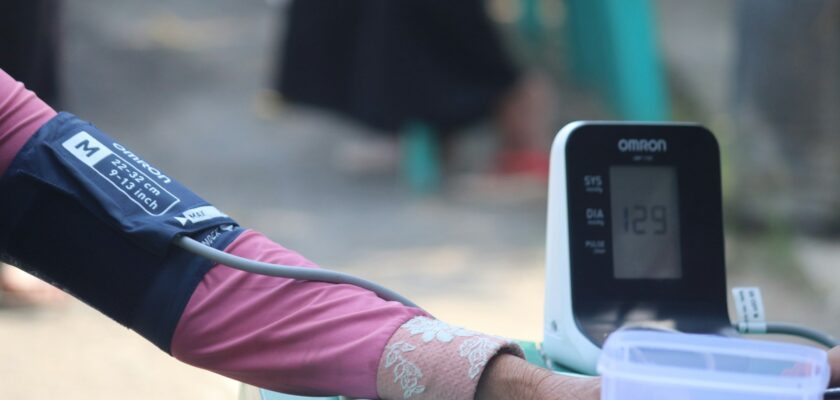
If you’ve been keeping an eye on your blood pressure, you might be surprised to learn that one of the most common foods in your pantry could be sending it soaring — often within just an hour after eating.
Doctors have been warning about it for years, but most people still have no idea how powerful its effect can be.
The Hidden Salt Bomb in Everyday Meals
That innocent-looking can of soup, frozen dinner, or even your favorite sandwich might be loaded with one of the biggest blood-pressure offenders out there: sodium. It’s not just table salt — it’s the hidden sodium added to processed foods to enhance flavor and extend shelf life. The average American consumes more than 3,400 milligrams of sodium a day — far above the 1,500 to 2,300 milligrams recommended by health experts.
What Happens Inside Your Body
When you eat too much sodium, your body holds onto extra water to balance the excess salt in your bloodstream. This increases blood volume, which means your heart has to pump harder — raising your blood pressure. Within just a few hours, this can trigger a temporary blood pressure spike that leaves you feeling flushed, lightheaded, or fatigued. Over time, these spikes can cause lasting damage to your arteries, kidneys, and heart.
The Sneaky Foods Behind the Spike
You might assume the main culprit is the salt shaker, but research shows that more than 70% of the sodium Americans eat comes from processed and restaurant foods. Here are some of the biggest offenders:
- Canned soups and sauces — some contain nearly a full day’s worth of sodium in one serving
- Cold cuts and deli meats — preserved with salt and sodium nitrate
- Frozen dinners and pizzas — convenience foods often overloaded with hidden sodium
- Restaurant meals — especially fast-food sandwiches and combo meals
How to Keep Your Blood Pressure Stable
The good news: you can protect your heart and still enjoy your favorite foods. Try these easy steps:
- Read nutrition labels and aim for less than 140 mg of sodium per serving when possible.
- Cook more at home — fresh herbs, garlic, and lemon juice add flavor without raising sodium.
- Rinse canned beans and vegetables to wash away excess salt.
- Stay hydrated — water helps flush sodium from your system.
The Bottom Line
You don’t have to cut salt completely — your body needs a little sodium to function. But once you realize how much is hiding in common foods, it’s easy to see why your blood pressure might surge after a “normal” meal. Taking control of your sodium intake can help stabilize your blood pressure, boost heart health, and keep you feeling strong and energized — naturally.

