
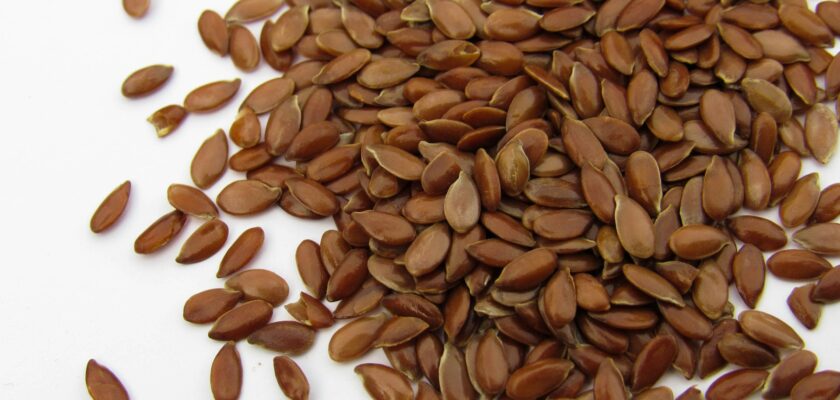
Did you know flaxseeds could do this?
Flaxseeds may be small, but they are a powerhouse of nutrients that can have a significant impact on your health. Packed with fiber, healthy fats, and essential vitamins and minerals, flaxseeds offer a variety of benefits for your overall well-being. Whether you’re looking to improve your heart health, boost digestion, or promote glowing skin, these tiny seeds can be a valuable addition to your diet. Here’s why you should consider adding more flaxseeds to your meals.
1. Rich in Omega-3 Fatty Acids
One of the standout benefits of flaxseeds is their high omega-3 fatty acid content, specifically alpha-linolenic acid (ALA). Omega-3s are essential fats that our bodies can’t produce on their own, so we must obtain them from food. These healthy fats play a crucial role in reducing inflammation, supporting brain health, and promoting cardiovascular health. Adding flaxseeds to your diet is an easy way to boost your omega-3 intake, especially if you follow a plant-based diet.
2. Supports Heart Health
Flaxseeds are heart-healthy powerhouses. The combination of omega-3 fatty acids, fiber, and lignans (a type of antioxidant) in flaxseeds may help lower blood pressure, reduce cholesterol levels, and improve overall heart health. Studies have shown that incorporating flaxseeds into the diet can lead to improved cholesterol profiles and reduced risk of heart disease. The fiber in flaxseeds also helps regulate blood sugar levels, another important factor in maintaining cardiovascular health.
3. High in Fiber for Digestive Health
Flaxseeds are an excellent source of both soluble and insoluble fiber. Soluble fiber helps regulate blood sugar levels and lowers cholesterol, while insoluble fiber promotes healthy digestion by preventing constipation and supporting regular bowel movements. A diet high in fiber from foods like flaxseeds can help maintain a healthy gut, reduce the risk of digestive issues, and improve overall gut health.
4. Packed with Antioxidants
Flaxseeds are loaded with lignans, which are plant compounds that have antioxidant properties. Antioxidants help protect the body’s cells from damage caused by free radicals, which are unstable molecules that can contribute to aging and the development of chronic diseases. Lignans also have anti-inflammatory effects and may play a role in reducing the risk of cancer. In fact, flaxseeds contain up to 800 times more lignans than most other plant foods, making them an excellent choice for antioxidant support.
5. Promotes Skin Health
Flaxseeds are also known for their skin-boosting properties. The omega-3 fatty acids found in flaxseeds help keep the skin hydrated and may reduce the appearance of dry skin, wrinkles, and other signs of aging. Additionally, the anti-inflammatory effects of flaxseeds can help reduce skin redness and irritation. Adding flaxseeds to your diet can promote healthy, glowing skin from the inside out.
6. Aids in Weight Management
Flaxseeds may also support weight management due to their high fiber content. Fiber helps you feel fuller for longer, which can prevent overeating and assist with portion control. In addition, the healthy fats in flaxseeds provide a sense of satiety, further curbing hunger. Including flaxseeds in your meals can be a simple and nutritious way to help control appetite and support a balanced diet.
7. Easy to Add to Your Diet
Flaxseeds are incredibly versatile and easy to incorporate into your daily meals. They can be sprinkled on top of oatmeal, yogurt, or salads, added to smoothies, or baked into muffins and breads. Flaxseed oil can also be used in salad dressings or as a finishing oil for dishes. For maximum nutritional benefit, it’s recommended to consume ground flaxseeds rather than whole flaxseeds, as grinding them makes the nutrients more accessible to your body.
How to Incorporate Flaxseeds into Your Diet
Here are a few simple ways to include flaxseeds in your daily routine:
- Add a tablespoon of ground flaxseeds to your morning smoothie.
- Mix flaxseeds into your yogurt, oatmeal, or cereal for an extra boost of nutrition.
- Use ground flaxseeds as an egg substitute in vegan recipes (1 tablespoon of ground flaxseed mixed with 3 tablespoons of water equals one egg).
- Bake with flaxseeds by adding them to muffin, pancake, or bread recipes.
- Sprinkle flaxseeds on top of salads or roasted vegetables for added crunch.
Conclusion
Flaxseeds are an affordable, nutrient-dense food that can provide numerous health benefits. From supporting heart health and digestive function to improving skin health and aiding in weight management, these tiny seeds offer a wide range of advantages for your overall well-being. By adding more flaxseeds to your diet, you can take advantage of their impressive nutritional profile and enjoy a variety of health benefits. So, start incorporating flaxseeds into your meals today and experience the positive effects they can have on your health!

