
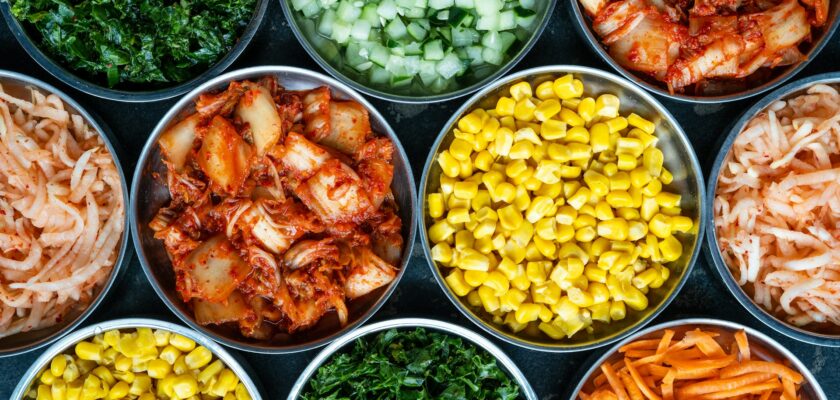
Here’s why you need to eat more fermented food.
In recent years, the spotlight has been shining brightly on gut health, and for good reason. Your gut is home to trillions of bacteria, viruses, and fungi that form your gut microbiome—a complex ecosystem that plays a pivotal role in your overall health. From digestion and immunity to mental health and even skin conditions, the balance of these microbes affects nearly every system in your body.
One of the best ways to nurture and strengthen this microbial community is through fermented foods. While foods like kimchi, sauerkraut, kefir, and other fermented delights have been enjoyed across cultures for centuries, modern science is now catching up, showing just how essential they are for optimal gut health. Here’s why you should consider incorporating more of them into your diet.
What Are Fermented Foods?
Fermented foods are those that have been through a process of lactic acid fermentation (in most cases), where bacteria and yeasts break down sugars and starches in the food into simpler compounds like lactic acid and alcohol. This process not only preserves the food but also creates an environment that nurtures beneficial bacteria, or probiotics. These probiotics can populate your gut and contribute to a healthy microbiome.
Some common examples of fermented foods include:
- Kimchi (spicy, fermented vegetables, typically napa cabbage and radishes)
- Sauerkraut (fermented cabbage)
- Kefir (fermented milk drink)
- Kombucha (fermented tea)
- Miso (fermented soybean paste)
- Tempeh (fermented soybeans)
- Pickles (fermented cucumbers)
- Yogurt (fermented milk with beneficial bacteria)
1. Gut Health and the Role of Probiotics
The biggest reason to add fermented foods to your diet is their ability to support the gut microbiome. Probiotics, the “good” bacteria in fermented foods, are essential for a healthy gut. They help:
- Restore balance in the gut microbiome, especially if it’s been disrupted by antibiotics, poor diet, or stress.
- Improve digestion by helping to break down food and absorb nutrients more efficiently.
- Reduce inflammation, which is often a root cause of many gut-related issues, such as bloating, gas, and irritable bowel syndrome (IBS).
Fermented foods like kimchi and sauerkraut are particularly rich in lactobacillus bacteria, which help convert lactose into lactic acid. This can be beneficial for those who are lactose intolerant or struggling with digestive issues related to dairy.
2. Boosting Immunity with Fermented Foods
A large portion of your immune system is housed in your gut. The microbiome helps to regulate immune responses, fight off pathogens, and even influence inflammation levels in the body. Fermented foods bolster this immune function by supplying your gut with beneficial bacteria that strengthen your body’s defenses.
For example, kefir, a fermented dairy drink, has been shown to enhance the production of IgA (Immunoglobulin A), an antibody that plays a crucial role in protecting mucous membranes (like those in your gut and respiratory tract) from infections.
3. Improved Mental Health: The Gut-Brain Connection
You’ve likely heard of the gut-brain axis, a bi-directional communication system between your gut and brain. Studies are revealing that the health of your gut can influence your mood, behavior, and even mental health conditions like anxiety and depression.
Fermented foods may have a positive effect on mental health by promoting the growth of beneficial gut bacteria that produce neurotransmitters like serotonin and GABA. Since around 90% of serotonin (the “feel-good” hormone) is produced in the gut, a balanced microbiome can help regulate mood, sleep, and overall mental well-being.
Incorporating fermented foods like kimchi or kefir, which are rich in tryptophan and other nutrients, can support a healthy gut-brain connection and may even help alleviate symptoms of anxiety or depression.
4. Enhanced Nutrient Absorption
Fermented foods can enhance the bioavailability of certain nutrients, making it easier for your body to absorb essential vitamins and minerals. For instance, the fermentation process breaks down phytic acid, which can inhibit the absorption of minerals like zinc, magnesium, and iron. As a result, fermented foods can help your body absorb more nutrients from the food you eat, promoting overall health and energy levels.
Moreover, Kombucha (fermented tea) and kimchi are rich in antioxidants, which help neutralize free radicals and reduce oxidative stress—another benefit for overall health.
5. Support for Healthy Weight Management
Emerging research suggests that a healthy gut microbiome can also play a role in weight management. An imbalance of gut bacteria can contribute to obesity and metabolic issues. Fermented foods have been shown to help maintain a healthy balance of gut bacteria, which may positively influence metabolism, fat storage, and appetite regulation.
The lactic acid bacteria found in fermented foods may help increase satiety, reducing overeating. Fermented foods are also often lower in calories and rich in fiber, which further promotes feelings of fullness.
How to Incorporate More Fermented Foods into Your Diet
Adding fermented foods to your diet can be simple and enjoyable. Here are some easy ways to get started:
- Kimchi: Add it to your meals as a side dish or mix it into stir-fries, rice bowls, or tacos.
- Sauerkraut: Use it as a topping for sandwiches, hot dogs, or salads.
- Kefir: Drink it as a refreshing snack or use it in smoothies for a probiotic boost.
- Yogurt: Choose unsweetened yogurt and add fruit, honey, or nuts for a healthy snack.
- Kombucha: Sip on this fermented tea as an alternative to sugary sodas.
- Miso: Add miso paste to soups, stews, or marinades for extra umami flavor.
Conclusion
Fermented foods are not just a culinary delight—they’re essential tools for maintaining a healthy gut and promoting overall well-being. Whether it’s kimchi, sauerkraut, kefir, or any other fermented food, these probiotics-packed foods play a critical role in gut health, immunity, mental wellness, and even nutrient absorption.
If you’re not already including these foods in your diet, it might be time to start. Your gut—and your whole body—will thank you. Just remember, moderation is key, as fermented foods are potent and can have strong effects on your system.
So, next time you’re planning a meal, think about adding a spoonful of sauerkraut or a glass of kefir—it’s a small step that could make a big impact on your health.

