
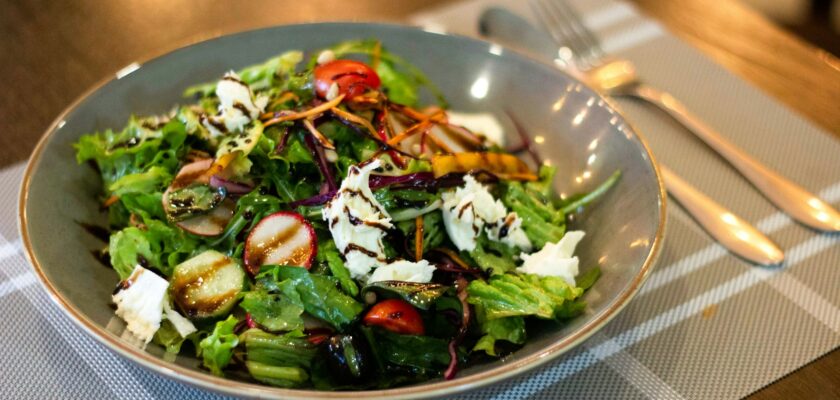
For decades, Americans have been told the same thing: order the salad if you want to eat healthy.
It sounds simple. A burger feels indulgent. A salad feels responsible.
But here’s the uncomfortable truth — at many fast-food chains, that “healthy” salad could actually contain more calories, more sugar, and more fat than the burger sitting next to it on the menu.
If you’re trying to protect your heart, manage your weight, or control blood sugar — especially after 50 — this is something you need to know.
Let’s break down why.
The Hidden Calories in Fast Food Salads
When most people picture a salad, they imagine:
- Leafy greens
- Fresh vegetables
- Lean protein
- Light dressing
That’s not always what you get at a drive-thru window.
Many fast-food salads include:
- Fried chicken instead of grilled
- Cheese
- Bacon bits
- Sugary dried fruit
- Candied nuts
- Creamy, high-fat dressings
- Croutons
Individually, these ingredients aren’t necessarily bad. But combined? They can quietly turn a “healthy choice” into a calorie bomb.
Some fast-food salads have topped 800–1,200 calories once dressing is added — rivaling or exceeding many burgers.
Dressing: The Biggest Culprit
Here’s where things often go wrong.
A typical creamy dressing (like ranch, Caesar, or honey mustard) can add:
- 150–300 calories
- High amounts of saturated fat
- Significant sodium
- Hidden sugar
And most people pour on the entire packet.
In some cases, the dressing alone contains more calories than the vegetables underneath it.
If you’re watching blood pressure or cholesterol — common concerns after 50 — this matters.
Sugar Is Hiding in Plain Sight
Many “healthy” salads contain surprising amounts of sugar.
Where does it come from?
- Sweetened dressings
- Candied pecans
- Dried cranberries
- Glazed chicken
- Honey-based sauces
Some fast-food salads can contain 20–30 grams of sugar or more, which is close to or exceeding daily recommendations for added sugars.
For anyone concerned about prediabetes or type 2 diabetes, this is important information.
The Burger Comparison
Now here’s the part that surprises people.
A simple, plain burger with:
- One patty
- A bun
- Basic toppings
May actually contain fewer calories and less sugar than a fully loaded “healthy” salad.
A basic burger often contains:
- 250–400 calories
- Minimal sugar
- Moderate protein
While it may contain saturated fat, it doesn’t typically come loaded with hidden sweeteners.
That doesn’t mean burgers are health food — but it does mean the salad isn’t automatically the better choice.
Sodium: Another Concern After 50
Many fast-food salads are extremely high in sodium — especially when topped with:
- Processed meats
- Cheese
- Pre-seasoned proteins
- Bottled dressings
High sodium intake can contribute to:
- Elevated blood pressure
- Increased heart disease risk
- Fluid retention
If you’re already managing hypertension, a fast-food salad may not be as heart-friendly as you assume.
Why This Matters More As We Age
After age 50, metabolism naturally slows. Muscle mass declines. Insulin sensitivity can decrease.
That means:
- Extra sugar is harder to process
- Excess calories are stored more easily
- Sodium impacts blood pressure more significantly
Small daily choices add up.
Believing you’re making a healthy choice — when you’re not — can quietly derail long-term health goals.
How to Make a Better Choice
If you do want a salad from a fast-food restaurant, here are smarter strategies:
1. Choose Grilled, Not Fried
Grilled chicken drastically reduces added fats and calories.
2. Ask for Dressing on the Side
Use half — or less.
3. Skip Sugary Add-Ons
Avoid candied nuts and sweetened dried fruit.
4. Watch Portion Size
Some salads are meant for two servings.
5. Compare Nutrition Panels
Most chains post calorie and sugar counts online.
Being informed makes all the difference.
The Bottom Line
Not all salads are healthy.
And not all burgers are automatically worse.
In today’s fast-food landscape, it’s the ingredients and add-ons that determine whether your meal supports your health — or quietly works against it.
If you’re focused on heart health, weight control, or blood sugar stability, the smartest move isn’t blindly ordering the salad.
It’s reading the details.
Because sometimes, that “healthy” choice isn’t what it seems.
Medical Disclaimer:
This article is for informational purposes only and does not constitute medical advice. Always consult your physician or qualified healthcare provider regarding dietary decisions, especially if you have heart disease, diabetes, high blood pressure, or other medical conditions.

