
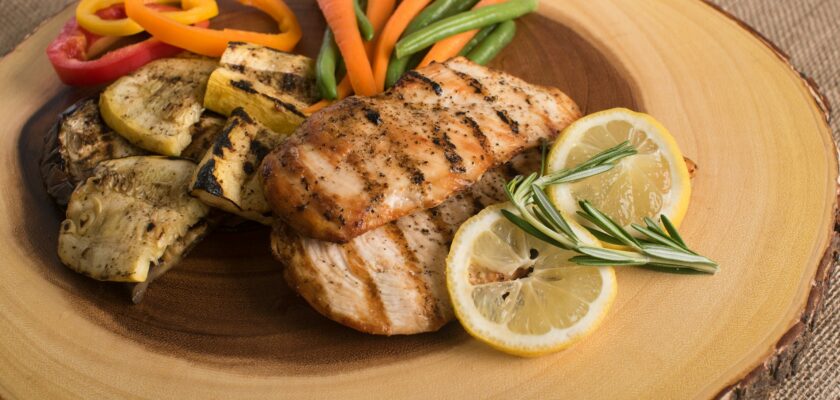
Across America, adults over 60 are making a major shift in their daily nutrition—and experts say the trend is long overdue.
High-protein diets, once thought of mainly as a fitness fad, are now becoming a powerful tool for healthy aging, stronger bodies, and better energy. For millions of seniors, protein is no longer optional. It’s essential.
Below is a closer look at why this movement is growing so quickly—and what older adults need to know before increasing their intake.
1. Protecting Muscle Strength as We Age
One of the biggest concerns for seniors is muscle loss, known as sarcopenia. After age 60, the body naturally loses muscle mass every year, making everyday tasks—climbing stairs, lifting groceries, even rising from a chair—far more difficult.
High-protein diets provide the building blocks needed to:
- Maintain lean muscle
- Improve strength and balance
- Reduce the risk of falls and fractures
- Support healthy recovery after illness or surgery
As one geriatric specialist recently noted, “Protein becomes more important as we age—not less.” For seniors who want independence and mobility, this is a game-changer.
2. Boosting Metabolism and Supporting Weight Control
Many adults in their 60s notice their metabolism slowing down. What they don’t always realize is that protein naturally increases metabolic rate, helping burn more calories even at rest.
A high-protein diet can:
- Reduce cravings and overeating
- Help stabilize blood sugar
- Promote steady, sustainable weight loss
- Support a healthier waistline
For older adults trying to manage weight without extreme dieting, protein offers a simple, effective path.
3. Improving Immune Health and Faster Healing
Protein plays a major role in keeping the immune system strong—something especially important for seniors.
Increasing daily protein can help:
- Strengthen immunity
- Improve skin health
- Speed up wound healing
- Support better overall recovery
Whether dealing with seasonal illness or chronic conditions, seniors with higher protein intake often experience better outcomes and fewer complications.
4. Supporting Heart and Bone Health
Modern high-protein diets emphasize lean sources such as chicken, fish, Greek yogurt, cottage cheese, eggs, beans, and nuts. These foods provide essential nutrients that protect long-term health.
Studies show that higher protein diets can:
- Lower blood pressure
- Support stronger bones
- Reduce LDL (“bad”) cholesterol
- Improve daily energy and stamina
For aging adults looking to stay active, this nutritional approach offers long-lasting benefits.
5. Helping Seniors Feel Fuller and More Energized
One of the most common complaints among older adults is fatigue. Protein-rich meals help stabilize energy levels throughout the day and keep seniors feeling full longer—reducing the need for snacking on sugary, inflammation-causing foods.
This leads to:
- Better appetite control
- Improved digestion
- More stable energy
- Better sleep patterns
For seniors seeking simple lifestyle improvements, this shift can transform daily life.
How Much Protein Should Seniors Aim For?
While individual needs vary, many health experts now recommend 1.0 to 1.2 grams of protein per kilogram of body weight for adults over 60—more than previous guidelines.
For example, a 150-pound senior may need 68 to 82 grams of protein per day.
Great protein sources include:
- Eggs and dairy
- Chicken, turkey, and fish
- Beans, lentils, and chickpeas
- Protein shakes designed for older adults
- Nuts, seeds, and tofu
Seniors with kidney issues should consult their doctor before significantly increasing protein intake.
Final Thoughts: Why This Trend Is Growing Fast
High-protein diets are not a fad—they’re a science-backed approach to healthier aging. As more seniors discover the benefits, from better mobility to stronger immunity, this simple dietary change is becoming one of the most powerful tools for maintaining independence and quality of life.
For adults over 60, adding more protein isn’t just about nutrition.
It’s about living longer, moving better, and feeling stronger every single day.

