
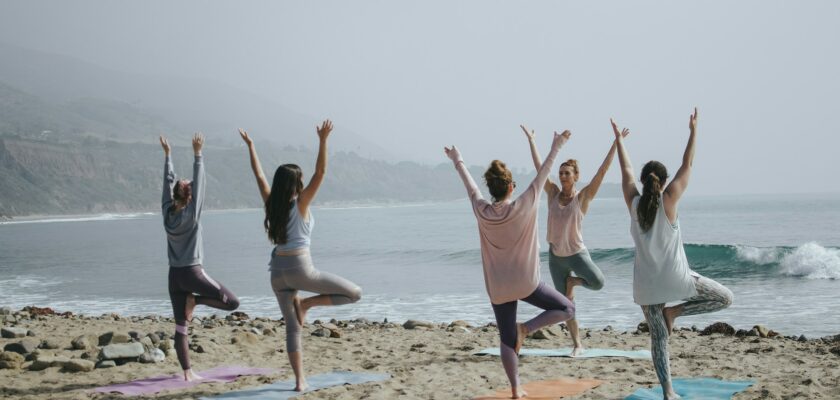
If you have aches, pains and inflammation that comes with aging, maybe yoga is for you.
Yoga, an ancient practice with origins in India, has transcended cultures and generations, finding its place in modern wellness routines worldwide. For seniors, yoga offers a gentle yet effective way to maintain physical health, mental clarity, and emotional balance. Here are some of the key benefits of incorporating yoga into the lives of older adults:
1. Improved Flexibility and Balance
As we age, our muscles and joints tend to lose their elasticity and strength, making everyday movements more challenging. Yoga helps improve flexibility through a series of stretches and poses, enhancing range of motion and reducing stiffness. Additionally, many yoga poses are designed to enhance balance, which is crucial in preventing falls, a common concern for seniors.
2. Enhanced Strength and Muscle Tone
Yoga involves holding various poses that engage different muscle groups, promoting overall strength and endurance. This is particularly beneficial for seniors, as stronger muscles support better posture and reduce the risk of injury. Regular practice can lead to improved muscle tone, which helps in performing daily activities with ease and confidence.
3. Better Joint Health
Yoga’s low-impact nature makes it an ideal exercise for those with arthritis or other joint issues. The gentle movements and stretches help lubricate the joints, reducing pain and increasing mobility. Specific poses can target troubled areas, providing relief and promoting healing.
4. Cardiovascular Health
While yoga is often associated with relaxation and stretching, it can also contribute to cardiovascular health. Certain styles of yoga, such as Vinyasa or Ashtanga, involve continuous movement and can elevate the heart rate, providing a mild cardiovascular workout. This can improve circulation, lower blood pressure, and enhance overall heart health.
5. Mental Clarity and Focus
Yoga is as much about the mind as it is about the body. The practice encourages mindfulness, requiring focus on breathing and movement. This mental engagement can help sharpen cognitive functions and improve concentration. For seniors, this mental exercise is beneficial in maintaining mental acuity and potentially delaying the onset of age-related cognitive decline.
6. Stress Reduction and Emotional Well-being
Yoga’s emphasis on deep breathing and meditation techniques is a powerful tool for stress management. Regular practice can reduce levels of cortisol, the stress hormone, promoting a sense of calm and relaxation. For seniors, who may face various life stressors, yoga offers a sanctuary for mental and emotional respite, contributing to overall well-being.
7. Improved Sleep Quality
Sleep disturbances are common among seniors, often leading to fatigue and diminished quality of life. Yoga can help improve sleep patterns by promoting relaxation and reducing stress. Practices such as restorative yoga and yoga nidra are particularly effective in preparing the body and mind for restful sleep.
8. Social Engagement and Community
Participating in yoga classes provides a sense of community and social interaction, which is essential for emotional health. For seniors, this social aspect can combat feelings of loneliness and isolation, fostering connections and friendships. Group classes create a supportive environment where individuals can share experiences and motivate each other.
Getting Started
For seniors interested in starting yoga, it’s important to choose the right type of yoga and approach. Here are some tips:
- Consult a Physician: Before beginning any new exercise routine, it’s advisable to consult with a healthcare provider, especially if there are existing health concerns.
- Choose the Right Class: Look for classes specifically designed for seniors or beginners. Chair yoga and gentle yoga are excellent options that cater to varying levels of mobility and fitness.
- Listen to Your Body: Yoga is about individual progress and comfort. Seniors should listen to their bodies and avoid pushing beyond their limits.
- Consistency is Key: Regular practice, even if it’s just a few minutes a day, can yield significant benefits over time.
In conclusion, yoga offers a holistic approach to health and wellness that can be particularly beneficial for seniors. Its physical, mental, and emotional benefits can enhance the quality of life, promoting a vibrant, active, and balanced lifestyle. By embracing yoga, seniors can find a path to greater health and happiness, fostering longevity and well-being.

