
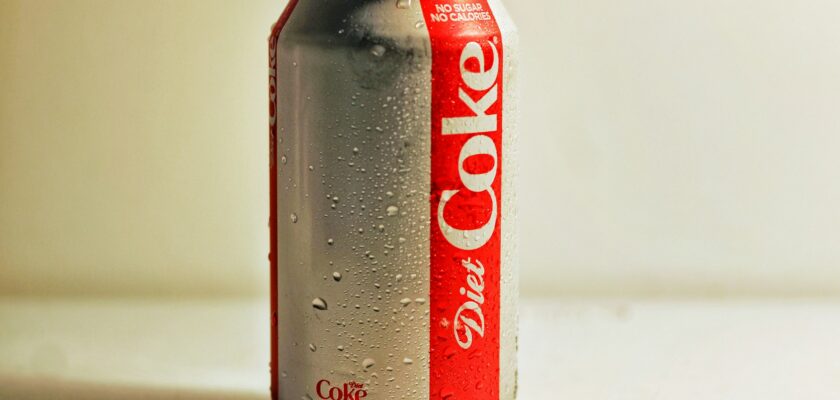
Diet soda has long been marketed as the “healthier” alternative to sugary drinks. Zero calories. Zero sugar. Zero guilt.
But growing evidence suggests that diet soda may actually disrupt your metabolism more than regular sugar—especially for adults focused on weight control, blood sugar stability, and long-term health.
If you’ve switched to diet soda to protect your waistline, here’s why it may be quietly working against you.
1. Artificial Sweeteners Can Confuse Your Metabolism
Your body evolved to associate sweet taste with incoming calories. Artificial sweeteners break that natural link.
When your brain tastes sweetness but doesn’t receive energy, it can:
- Disrupt appetite regulation
- Increase cravings for real sugar and refined carbs
- Lead to overeating later in the day
Over time, this mismatch may train your metabolism to expect calories that never arrive—then overcompensate when real food shows up.
Bottom line: Sweet taste without calories can throw off the body’s internal “fuel gauge.”
2. Diet Soda May Increase Insulin Resistance
Even without sugar, diet soda can trigger an insulin response in some people. Insulin is the hormone that tells your body to store fat and manage blood sugar.
Frequent insulin spikes—especially when calories aren’t actually consumed—may:
- Reduce insulin sensitivity
- Promote fat storage
- Increase the risk of metabolic syndrome
Ironically, many people drink diet soda specifically to avoid diabetes risk, yet long-term use may push metabolism in the wrong direction.
3. Artificial Sweeteners Disrupt Gut Bacteria
Your gut microbiome plays a major role in:
- Blood sugar control
- Inflammation
- Weight regulation
Studies show artificial sweeteners can alter gut bacteria in unhealthy ways, leading to:
- Poor glucose tolerance
- Increased inflammation
- Slower metabolic function
An unhealthy gut can sabotage even a well-controlled diet.
4. Diet Soda Is Linked to Weight Gain, Not Loss
Multiple long-term studies have found that diet soda drinkers often gain more weight than those who avoid it altogether.
Possible reasons include:
- Increased hunger and cravings
- Psychological “calorie compensation” (“I had diet soda, so I can eat more”)
- Hormonal disruption tied to artificial sweeteners
Calories alone don’t determine weight gain—hormones and metabolism matter more.
5. Sugar Isn’t Healthy—But It’s Predictable
To be clear: regular soda isn’t good for you either. Excess sugar contributes to obesity, fatty liver disease, and diabetes.
However, real sugar:
- Produces a predictable metabolic response
- Triggers normal satiety hormones
- Doesn’t confuse taste-calorie signaling
Occasional sugar intake may be less metabolically disruptive than daily artificial sweetener exposure.
Healthier Alternatives to Diet Soda
If you’re trying to protect your metabolism, consider these swaps:
- Sparkling water with lemon or lime
- Unsweetened iced tea
- Mineral water
- Plain water with fruit infusion
These options hydrate without interfering with insulin, gut health, or appetite regulation.
The Takeaway
Diet soda may look like a smart health choice, but for metabolism, it can be worse than sugar in the long run. Artificial sweeteners can disrupt insulin response, damage gut health, increase cravings, and slow metabolic function—especially with daily use.
If your goal is better health, weight control, and stable energy as you age, cutting back on all sweetened beverages—diet or regular—is one of the simplest wins you can make.

