
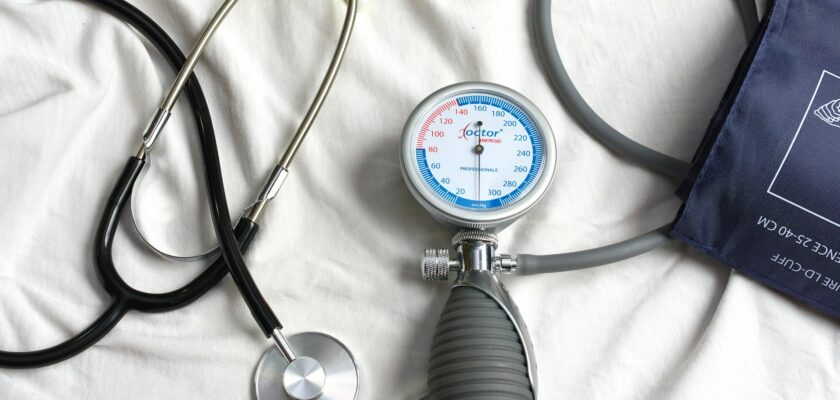
If you’ve never checked your blood pressure in the morning, now may be the most important time to start.
Many people are surprised to learn that blood pressure naturally rises in the early morning hours—and for some adults, especially those over 50, this surge can be significant. Understanding why morning blood pressure spikes happen is important because these early hours are also linked to a higher risk of heart attacks, strokes, and other cardiovascular events.
Here’s what doctors say is really going on—and what you can do to protect your heart.
What Is the Morning Blood Pressure Surge?
Blood pressure follows a daily rhythm, known as a circadian pattern. While you sleep, your blood pressure usually drops. Shortly before waking, it begins to rise, often peaking within the first few hours of the day.
For healthy individuals, this increase is moderate. But for people with high blood pressure (hypertension), diabetes, sleep apnea, or existing heart disease, the spike can be sharp and dangerous.
Why Blood Pressure Rises After Waking Up
1. Stress Hormones Kick In
As your body prepares to wake up, it releases hormones like cortisol and adrenaline. These hormones:
- Increase heart rate
- Tighten blood vessels
- Raise blood pressure
This response is normal—but excessive hormone release can push blood pressure too high.
2. Blood Vessels Become Less Flexible
Blood vessels tend to be stiffer in the morning, especially as we age. Stiffer arteries make it harder for blood to flow smoothly, forcing pressure levels upward.
This is one reason morning hypertension is more common in adults over 50.
3. Dehydration From Overnight Sleep
After 6–8 hours without fluids, mild dehydration can:
- Thicken the blood
- Reduce blood vessel elasticity
- Increase pressure inside arteries
Even slight dehydration can contribute to higher readings in the morning.
4. Poor Sleep or Sleep Apnea
Interrupted sleep and untreated sleep apnea cause repeated drops in oxygen levels overnight. This puts stress on the cardiovascular system and often leads to higher morning blood pressure readings.
5. Medication Timing Matters
Some blood pressure medications wear off overnight. If medicine is taken only in the morning, it may not fully control early-morning pressure spikes.
Doctors increasingly recognize timing as a key factor in blood pressure management.
Why Morning Blood Pressure Is Especially Dangerous
Research shows that heart attacks and strokes occur more frequently in the morning hours. The combination of:
- Rising blood pressure
- Faster heart rate
- Increased blood clotting
creates a perfect storm for cardiovascular events—particularly in people with uncontrolled hypertension.
How to Reduce Morning Blood Pressure Spikes
✔ Check Your Blood Pressure at Home
Measure blood pressure:
- Within 30–60 minutes of waking
- Before eating or drinking coffee
- After sitting calmly for 5 minutes
This gives your doctor valuable insight into morning patterns.
✔ Improve Sleep Quality
- Stick to a consistent bedtime
- Limit alcohol late in the evening
- Talk to a doctor if you snore loudly or feel exhausted in the morning
Better sleep often means better blood pressure control.
✔ Stay Hydrated
Drinking a glass of water shortly after waking can help counter overnight dehydration and support healthy circulation.
✔ Review Medication Timing
Never change medication on your own—but ask your doctor whether evening dosing or long-acting medications may better control early-morning spikes.
✔ Reduce Morning Stress
Rushing, checking stressful news, or skipping breakfast can all raise blood pressure. Slow mornings with light movement and calm routines can make a measurable difference.
When to Talk to a Doctor
You should speak with a healthcare provider if:
- Morning blood pressure readings are consistently high
- You feel dizzy, short of breath, or have headaches upon waking
- You have a history of heart disease or stroke
Early intervention can prevent serious complications.
The Bottom Line
Morning blood pressure spikes are common—but they’re not harmless. Hormones, aging blood vessels, sleep quality, hydration, and medication timing all play a role. Monitoring your morning readings and making simple lifestyle adjustments can significantly reduce risk.

