
Know this first.
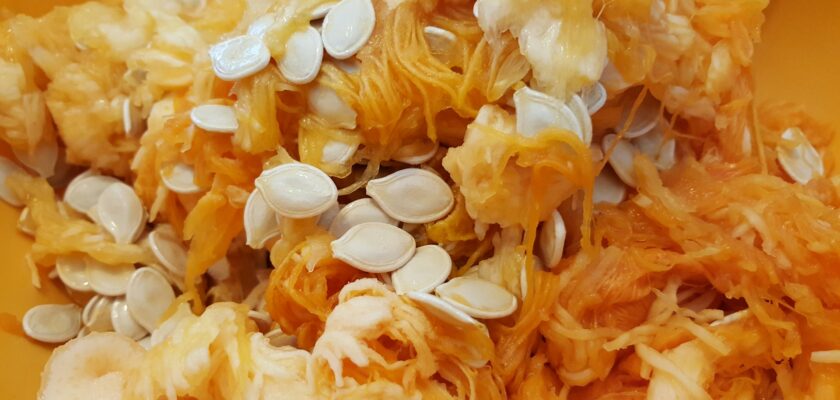
When it comes to superfoods, pumpkin seeds—also known as pepitas—often fly under the radar. But these tiny, flat, green seeds are packed with nutrients and offer a variety of health benefits. Whether you’re snacking on them raw, roasting them, or adding them to dishes like salads or smoothies, pumpkin seeds deserve a spot in your diet. One of the standout features of pumpkin seeds is their rich content of magnesium and antioxidants, two nutrients that play a key role in supporting overall health. Let’s dive into why pumpkin seeds are a nutritional powerhouse and how they can help improve your well-being.
1. Magnesium: A Vital Mineral for Your Health
Magnesium is an essential mineral that plays a critical role in hundreds of processes within the body, from muscle function to bone health, and even mental well-being. Unfortunately, many people don’t get enough magnesium from their diets, which can lead to various health issues such as muscle cramps, fatigue, and even mood disturbances like anxiety and depression.
Pumpkin seeds are an excellent source of magnesium. Just a small serving (about a quarter cup) provides around 150 milligrams of magnesium—roughly 40% of the recommended daily intake for adults. By incorporating pumpkin seeds into your diet, you can easily boost your magnesium levels and support key bodily functions like:
- Muscle and nerve function: Magnesium helps regulate muscle contractions, reducing the risk of cramps and spasms.
- Bone health: Magnesium plays an important role in bone density, working in conjunction with calcium to keep bones strong.
- Heart health: Magnesium helps maintain a normal heart rhythm and supports healthy blood pressure levels.
- Mood regulation: Adequate magnesium intake is linked to a lower risk of anxiety and depression.
2. Antioxidants: Protecting Your Cells from Damage
Antioxidants are compounds that protect your cells from oxidative stress—damage caused by free radicals. Free radicals are unstable molecules that can damage cells, contributing to aging and the development of chronic diseases such as heart disease, diabetes, and cancer.
Pumpkin seeds are rich in antioxidants, including vitamin E and carotenoids. Vitamin E, in particular, is a powerful antioxidant that helps neutralize free radicals in the body. The carotenoids in pumpkin seeds, including lutein and zeaxanthin, have been linked to better eye health by reducing the risk of age-related macular degeneration and cataracts.
By regularly eating pumpkin seeds, you can increase your antioxidant intake and help protect your body from the harmful effects of oxidative stress. Antioxidants also play a role in reducing inflammation, which is at the root of many chronic diseases. So, a handful of pumpkin seeds can help your body fight back against cellular damage and inflammation.
3. Other Health Benefits of Pumpkin Seeds
Beyond magnesium and antioxidants, pumpkin seeds offer an impressive array of additional health benefits, including:
- Rich in Healthy Fats: Pumpkin seeds contain omega-3 and omega-6 fatty acids, which are important for heart health and brain function.
- Protein Power: With about 7 grams of protein per ounce, pumpkin seeds are an excellent plant-based protein source, making them perfect for vegetarians and vegans.
- Zinc Boost: Pumpkin seeds are one of the best plant-based sources of zinc, an essential mineral for immune function, skin health, and wound healing.
- Good for Prostate Health: Some studies suggest that pumpkin seeds may help support prostate health and alleviate symptoms of benign prostatic hyperplasia (BPH), a common condition in older men.
4. How to Incorporate Pumpkin Seeds into Your Diet
There are countless ways to enjoy pumpkin seeds, whether you’re looking for a crunchy snack or an easy way to add nutrients to your meals. Here are a few ideas:
- Snack on them raw: Pumpkin seeds can be enjoyed straight out of the bag. Opt for unsalted varieties for the healthiest choice.
- Roast them: Toss the seeds with a little olive oil and your favorite spices (think cinnamon, chili powder, or garlic) and bake them for a crunchy, flavorful snack.
- Add them to smoothies: A spoonful of pumpkin seeds can easily be blended into your morning smoothie for an extra nutrient boost.
- Sprinkle them on salads: Add a handful of roasted pumpkin seeds to your salad for a crunchy texture and a dose of magnesium.
- Stir them into yogurt: Combine pumpkin seeds with Greek yogurt, fruit, and honey for a satisfying, nutritious breakfast or snack.
Conclusion
Pumpkin seeds are an often-overlooked superfood that offers a wealth of health benefits, from boosting magnesium levels to fighting oxidative stress with powerful antioxidants. Whether you’re looking to improve heart health, support your mood, or protect your cells from damage, these tiny seeds pack a big punch in terms of nutrition. By incorporating pumpkin seeds into your daily routine, you can easily support your overall health and well-being in a delicious and convenient way.
So, next time you’re looking for a healthy snack, reach for a handful of pumpkin seeds—they’re a simple, nutrient-packed choice that can make a big difference in your health.

