
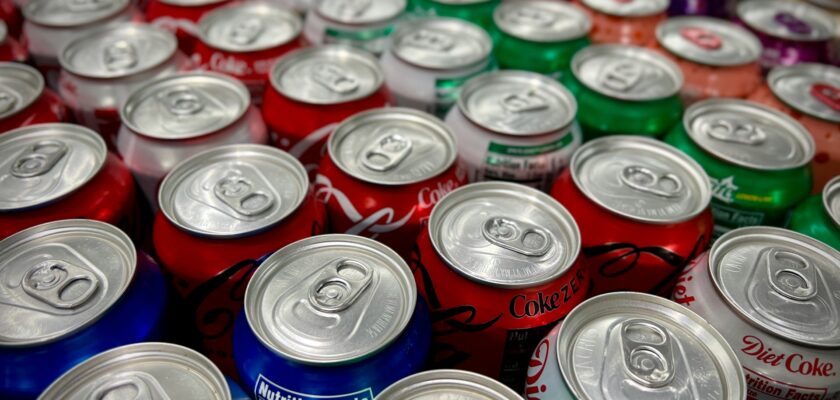
Soda is delicious, but here is what happens when you stop drinking it.
For millions of Americans, soda is a daily habit—sometimes several times a day. Whether it’s regular soda loaded with sugar or diet soda sweetened with artificial substitutes, these drinks quietly affect your health in ways most people don’t realize. Giving up soda for just 30 days can trigger noticeable changes throughout your body, many of them surprisingly fast.
Here’s what typically happens when you cut soda out for a full month.
Week 1: Sugar Cravings and Energy Swings
The first few days can be the hardest, especially if you drink regular soda. Your body is used to frequent sugar hits and caffeine boosts, and removing them may cause:
- Headaches
- Fatigue
- Irritability
- Strong cravings for sweets
This is your blood sugar stabilizing and your brain adjusting to less dopamine stimulation. The good news? These symptoms usually peak within the first week and fade soon after.
By Day 7–10: Better Hydration and Less Bloating
Soda doesn’t hydrate the body the way water does. Many people unknowingly replace soda with water, herbal tea, or flavored sparkling water once they quit. As a result, you may notice:
- Reduced bloating
- Less water retention
- More frequent and healthier digestion
Carbonated sodas—especially those high in sodium—can contribute to stomach discomfort. Removing them often leads to a flatter, more comfortable feeling in the abdomen.
By Week 2: Improved Blood Sugar Control
One can of regular soda contains roughly 9–10 teaspoons of sugar, often in the form of high-fructose corn syrup. Removing that daily sugar load allows your body to:
- Reduce insulin spikes
- Improve insulin sensitivity
- Lower the risk of energy crashes
Even diet soda can affect insulin response and appetite regulation. Many people report fewer intense hunger swings after quitting soda altogether.
By Week 3: Weight Loss and Reduced Belly Fat
Without trying to diet, many people lose 2–5 pounds in a month simply by eliminating soda. That’s because liquid calories don’t make you feel full, making it easy to overconsume them.
Benefits often include:
- Fewer empty calories
- Reduced cravings for processed foods
- Decreased abdominal fat
Over time, this change supports better metabolic health and makes it easier to maintain a healthy weight.
By Day 30: Healthier Teeth, Bones, and Heart
After a full month without soda, deeper health benefits begin to show:
Teeth:
Soda acids erode enamel, while sugar feeds cavity-causing bacteria. Many dentists say quitting soda is one of the best things you can do for long-term oral health.
Bones:
Cola drinks contain phosphoric acid, which may interfere with calcium absorption. Cutting soda helps support stronger bones, especially as you age.
Heart Health:
High sugar intake is linked to increased triglycerides and inflammation. After 30 days, markers related to cardiovascular risk often improve, especially when soda is replaced with water.
Mental Benefits You Might Not Expect
Many people report improved mood and focus after quitting soda. Without caffeine crashes and sugar highs, energy levels become more stable throughout the day. Some even notice better sleep quality once soda—especially afternoon or evening soda—is gone.
Healthier Alternatives to Soda
If you’re giving up soda, these options can help make the transition easier:
- Sparkling water with lemon or lime
- Unsweetened iced tea
- Infused water with berries or cucumber
- Coconut water (in moderation)
These provide flavor without the health drawbacks of soda.
The Bottom Line
Giving up soda for 30 days may seem like a small change, but it can have a powerful impact on your body. From better digestion and weight control to improved blood sugar and dental health, the benefits add up quickly. For many people, the biggest surprise is how little they miss soda once the habit is broken.
If you’re looking for one simple health change with real results, a 30-day soda break may be a great place to start.

