
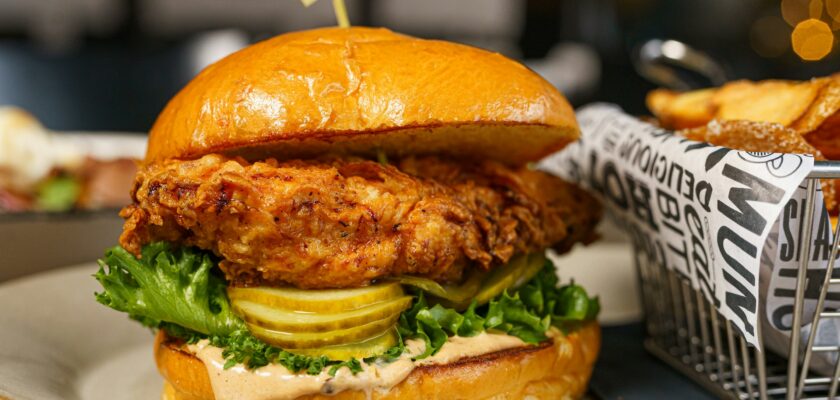
Not all fast food is the same.
If you’re trying to keep your blood pressure under control, there’s one place that may be quietly sabotaging your efforts: the fast-food drive-thru. While many Americans already know fast-food isn’t exactly a health booster, new research shows that some of the most popular meals pack far more sodium, hidden additives, and blood-pressure-spiking ingredients than most people realize. For adults over 50—especially those keeping an eye on heart health—these meals can be a real danger.
Fast Food and Blood Pressure: Why It’s a Bigger Problem Now
Blood pressure issues have surged across the country in recent years, especially with rising stress levels, busier lifestyles, and less home-cooked eating. Doctors warn that high sodium intake is one of the top triggers for elevated blood pressure, and the average fast-food meal often contains two to three times the recommended daily limit—sometimes even more.
Even meals advertised as “healthy,” “light,” or “grilled” often contain hidden salts and preservatives that strain the heart and arteries without you realizing it.
Meal #1: The “Healthy” Grilled Chicken Sandwich Combo
Many people order the grilled chicken combo thinking it’s a safer choice. But here’s the truth:
- The sandwich alone can include 1,200 mg of sodium or more.
- Add fries and a drink, and the meal easily hits 1,800 to 2,200 mg of sodium—the entire daily limit in one sitting.
Worse, many chains inject their chicken with sodium solutions for “tenderness,” meaning you’re consuming extra salt you never asked for.
Meal #2: Popular Breakfast Platters
Fast-food breakfasts may be quick, but they’re loaded with blood-pressure landmines:
- Biscuits, pancakes, and hash browns are often packed with hidden salts.
- Sausage patties and bacon strips contain processed sodium nitrates, which can spike blood pressure even faster.
A single breakfast combo can deliver 1,500–2,300 mg of sodium before 9 a.m.
Meal #3: Spicy Chicken Sandwiches
These are among the biggest offenders:
- Spicy breading alone can pack over 1,000 mg of sodium
- The sauces add another 200–400 mg
- The bun: 200 mg
Add fries and a soda, and it’s easy to exceed 2,500 mg of sodium—which cardiologists warn can cause a blood-pressure spike lasting 24 hours or more.
Meal #4: Deluxe Burgers and Bacon Cheeseburgers
Nobody is surprised a bacon cheeseburger isn’t healthy, but most don’t realize how extreme the sodium content really is:
- A single deluxe burger can contain 1,300–1,700 mg
- Bacon adds nitrates and extra sodium that hit bloodstream pressure quickly
- Sauces and cheese add yet another 200–300 mg
Combined with fries, you’re looking at 2,000–3,000 mg total, depending on the size.
How These Meals Harm Your Heart
High sodium intake increases blood pressure by:
- Holding excess fluid in the body
- Making blood vessels stiffer
- Forcing your heart to work harder with every beat
For older Americans, these effects compound quickly. High blood pressure is directly linked to heart attacks, stroke risk, kidney strain, and lifelong cardiovascular damage.
And because fast-food chains rely on industrial-grade ingredients, preservatives, and salt-retention additives, the impact can be harsher than home-cooked meals—even when the calories look similar.
Healthier Alternatives That Actually Help
You don’t have to give up convenience entirely. Just choose wisely:
- Opt for bun-less sandwiches or lettuce wraps
- Skip sauces or choose mustard over mayo
- Choose side salads or fruit cups instead of fries
- Pick water instead of soda
- Split larger meals into two portions
Even small swaps can cut your sodium intake by 40–60%, according to nutrition experts.
The Bottom Line
Fast-food meals may be easy and cheap, but for adults over 50—especially those watching their heart health—they can be dangerous. Many of the most popular menu items contain more sodium than your body can safely process in a single day, leading to higher blood pressure, swelling, and long-term heart risks.
Before you hit the drive-thru, think twice. A few small choices today can help protect your heart for years to come.

