
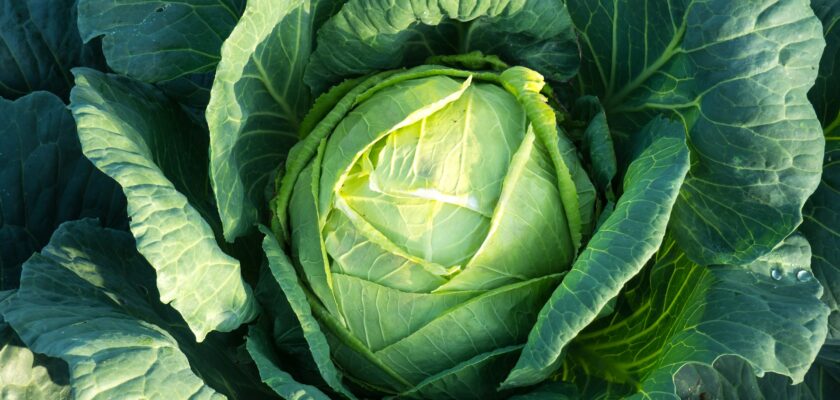
Cabbage has a surprising benefit.
If you’re looking for a simple, natural way to improve your digestion and support a healthier gut, you might want to add more cabbage to your plate. This humble vegetable, often overlooked in favor of trendier superfoods, is packed with nutrients and gut-friendly benefits that can make a real difference in your overall health.
Cabbage: A Gut-Healthy Powerhouse
Cabbage belongs to the cruciferous vegetable family, along with broccoli, cauliflower, and Brussels sprouts. It comes in green, red, and even purple varieties, and can be enjoyed raw, cooked, fermented, or juiced.
Here’s how cabbage supports better digestion and a healthier gut:
1. High in Fiber for Smooth Digestion
One of the biggest digestive benefits of cabbage is its high fiber content. Fiber helps move food through the digestive tract, preventing constipation and promoting regular bowel movements. Just one cup of chopped cabbage provides about 2 grams of fiber, making it an easy way to increase your daily intake.
Tip: Add shredded raw cabbage to salads or slaws for a refreshing crunch and digestive boost.
2. Promotes a Healthy Gut Microbiome
Your gut is home to trillions of bacteria that affect everything from digestion to immunity. Fermented cabbage, like sauerkraut or kimchi, contains natural probiotics—these are the “good” bacteria that support a balanced gut microbiome.
Studies have shown that probiotics can reduce bloating, improve nutrient absorption, and even enhance mood. Adding a small serving of sauerkraut to your meals is an easy, natural way to feed your gut the healthy bacteria it needs.
3. Anti-Inflammatory and Healing Properties
Cabbage is rich in antioxidants like vitamin C and anthocyanins (especially in red cabbage), which help reduce inflammation in the gut. Chronic inflammation can lead to digestive issues like IBS (Irritable Bowel Syndrome), so calming the digestive tract with anti-inflammatory foods is essential.
Bonus: The glutamine in cabbage supports intestinal healing, especially after illness or antibiotic use.
4. Gentle on the Stomach (When Cooked Right)
For those with sensitive stomachs, lightly steaming or sautéing cabbage can make it easier to digest. Cooking softens the fiber and reduces compounds that can cause gas or bloating in some people.
Pro Tip: Add a pinch of caraway or fennel seeds when cooking cabbage to make it even gentler on the gut.
How to Add More Cabbage to Your Diet
- Toss raw cabbage into salads, tacos, or wraps
- Enjoy fermented sauerkraut or kimchi as a side dish
- Make a hearty cabbage soup or stew
- Use cabbage leaves as a low-carb wrap alternative
- Sauté it with garlic and olive oil for a quick side
Final Thoughts
Cabbage is more than just a cheap, crunchy side dish—it’s a digestive hero. Whether you eat it raw, cooked, or fermented, adding cabbage to your diet can help regulate your digestion, nourish your gut bacteria, and support overall gut health.
Ready to feel better from the inside out? Start with cabbage—your gut will thank you.
[Disclaimer: This article is for informational purposes only and is not a substitute for medical advice. Always consult with your healthcare provider before making changes to your diet or health routine.]

