
High blood pressure is often called the “silent killer” — and for good reason.
It rarely causes obvious symptoms, yet it dramatically raises the risk of heart disease, stroke, kidney failure, and memory decline.
But doctors warn that millions of seniors may be unknowingly making a simple, daily mistake that keeps their blood pressure higher than it needs to be — even if they’re taking medication and trying to eat healthier.
The problem isn’t always what seniors are doing wrong.
It’s what they don’t realize they’re doing at all.
The Hidden Mistake: Measuring Blood Pressure the Wrong Way
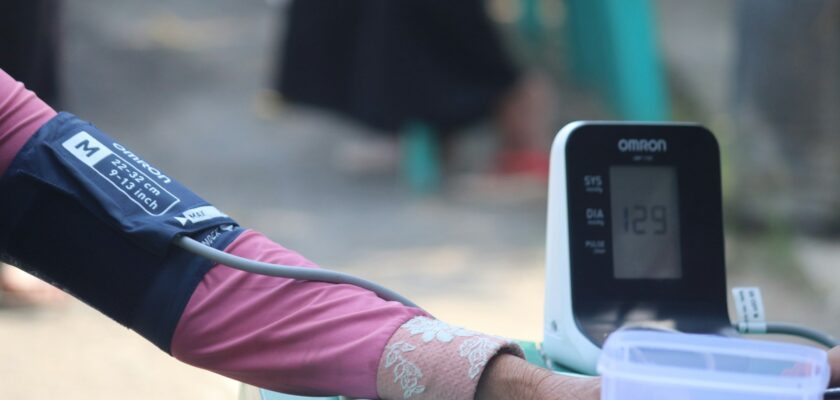
One of the most common and overlooked blood pressure mistakes among adults over 50 is checking blood pressure incorrectly at home — or relying on inaccurate readings.
According to heart health experts, many seniors believe their blood pressure is “under control” when, in reality, the numbers they’re seeing may be misleading.
Small errors during measurement can artificially raise or lower readings by 10 to 20 points, enough to change medical decisions.
Common Blood Pressure Errors Seniors Make
These everyday habits may seem harmless, but they can quietly distort results:
1. Sitting Incorrectly
Crossed legs, slouching, or dangling feet can increase readings. Feet should be flat on the floor, back supported, and arm resting at heart level.
2. Talking During Measurement
Even casual conversation can raise blood pressure temporarily, leading to inaccurate results.
3. Measuring Too Soon After Activity
Checking blood pressure right after walking, climbing stairs, drinking coffee, or feeling stressed can cause numbers to spike.
4. Using the Wrong Cuff Size
A cuff that’s too small can falsely raise readings, while a loose cuff can underreport pressure — a surprisingly common issue in older adults.
5. Taking Only One Reading
Doctors recommend taking two readings, about one minute apart, and averaging them for accuracy.
Why This Mistake Is Especially Risky for Seniors
As we age, blood pressure becomes more sensitive to posture, stress, hydration, and medication timing. That means small measurement errors matter more after 50.
Relying on incorrect readings can lead to:
- Unnecessary medication changes
- Missed warning signs of rising blood pressure
- Increased risk of heart attack or stroke
- False reassurance that everything is “fine”
Over time, this silent mistake can delay treatment when it matters most.
Another Overlooked Factor: “White Coat” vs. Home Confusion
Some seniors experience white coat hypertension, where readings rise at the doctor’s office due to anxiety. Others experience the opposite — higher readings at home due to poor technique.
Without consistent, accurate monitoring, it becomes difficult for doctors to know which numbers tell the real story.
How Seniors Can Fix This Today
Heart specialists recommend a few simple steps to improve accuracy:
- Sit quietly for 5 minutes before measuring
- Avoid caffeine or exercise for at least 30 minutes
- Measure at the same time each day
- Keep a written log to share with your doctor
- Bring your home monitor to appointments to check accuracy
These small changes can reveal a clearer picture of true blood pressure health.
Why Blood Pressure Awareness Matters More Than Ever
High blood pressure doesn’t just affect the heart. Studies link uncontrolled hypertension to:
- Memory problems and dementia risk
- Vision loss
- Kidney disease
- Balance issues and falls
For seniors, awareness and accuracy can make a real difference in long-term independence and quality of life.
The Bottom Line
The most dangerous blood pressure mistake isn’t always ignoring your numbers —
It’s trusting numbers that aren’t accurate.
By fixing how blood pressure is measured each day, many seniors can gain better control, avoid unnecessary worry, and protect their heart and brain for years to come.
If you haven’t reviewed how you check your blood pressure recently, today may be the smartest time to start.

