
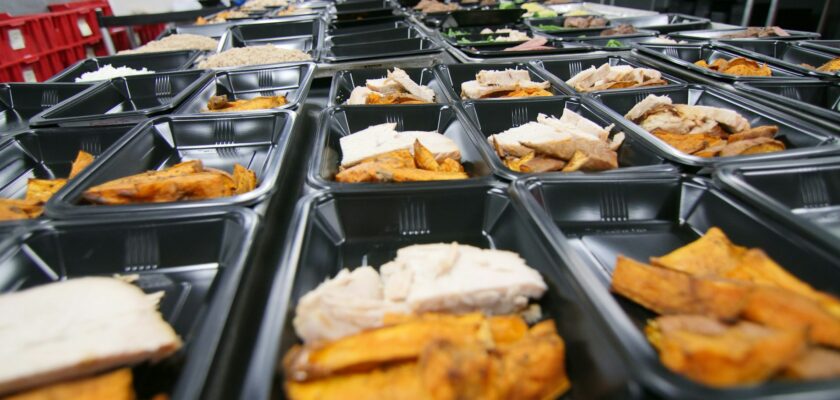
They are fast and tasty, but are they healthy?
In today’s fast-paced world, finding time to cook healthy meals can feel like a daunting task. Enter meal kits—a convenient solution that has gained immense popularity in recent years. These subscription services provide pre-portioned ingredients and recipes, making home cooking more accessible for those with busy schedules. But are meal kits a healthy choice? Let’s explore the benefits and potential drawbacks of this culinary trend.
What Are Meal Kits?
Meal kits are packages that contain all the ingredients needed to prepare a specific dish, along with step-by-step cooking instructions. They are typically delivered directly to your door, making meal preparation more convenient for individuals and families. Companies like Blue Apron, HelloFresh, and Sun Basket have capitalized on this trend, catering to a variety of dietary preferences, including vegetarian, vegan, gluten-free, and more.
The Benefits of Meal Kits
1. Time-Saving Convenience
For busy professionals and families, meal kits eliminate the need for meal planning and grocery shopping. The pre-portioned ingredients mean less time spent preparing meals, allowing you to spend more time enjoying them with loved ones.
2. Portion Control
Many meal kits are designed to serve a specific number of people, helping to promote portion control. This can be beneficial for those looking to manage their weight, as it reduces the temptation to overeat.
3. Variety and Exposure to New Foods
Meal kits often feature diverse recipes that you might not typically try. This exposure can encourage you to experiment with new ingredients and cuisines, expanding your culinary repertoire and encouraging healthier eating habits.
4. Reduced Food Waste
By providing precisely measured ingredients, meal kits can help minimize food waste. Many households struggle with excess food that goes uneaten, but meal kits ensure that you use what you have, leading to more sustainable practices.
5. Healthier Choices
Many meal kit companies focus on providing fresh, whole ingredients and offer nutritionally balanced recipes. This emphasis can encourage healthier eating patterns compared to more processed and convenience foods.
Potential Drawbacks of Meal Kits
1. Cost Considerations
While meal kits can save time, they can also be more expensive than cooking from scratch. The convenience factor often comes at a premium, which may not fit everyone’s budget.
2. Packaging Waste
The convenience of meal kits often results in excess packaging, which can contribute to environmental waste. Many kits use plastic for individual ingredients, which raises concerns about sustainability.
3. Limited Customization
While meal kits provide diverse options, they may not fully cater to individual tastes and dietary needs. If you have specific dietary restrictions or preferences, you may find that not all meal kits meet your requirements.
4. Cooking Skills and Time
While meal kits simplify cooking, they still require some level of culinary skill and time. If you’re particularly rushed or inexperienced in the kitchen, following the recipes may still feel overwhelming.
5. Nutritional Quality Varies
Not all meal kits are created equal. Some may rely on higher amounts of processed ingredients or unhealthy fats. It’s essential to evaluate the nutritional content of each meal kit to ensure it aligns with your health goals.
Making the Most of Meal Kits
If you decide to try meal kits, consider the following tips to maximize their benefits:
- Choose Balanced Options: Look for meal kits that emphasize whole foods, lean proteins, and plenty of vegetables.
- Mix and Match: Incorporate meal kits into your routine alongside other home-cooked meals. This can provide variety while allowing you to maintain control over your diet.
- Be Mindful of Portions: Use the portioning of meal kits as a guide, but adjust as necessary to meet your personal needs.
- Evaluate the Ingredients: Pay attention to the quality of ingredients provided in the meal kits, opting for those that prioritize fresh, organic options when available.
Conclusion
Meal kits can be a healthy and convenient solution for busy individuals looking to maintain a nutritious diet. They offer time-saving benefits, encourage healthier eating habits, and reduce food waste. However, it’s essential to consider the cost, packaging waste, and nutritional quality of the meals provided. By making informed choices, you can enjoy the advantages of meal kits while supporting your health and lifestyle goals. Whether you use them as a primary meal source or a helpful aid in your cooking journey, meal kits can be a valuable addition to your culinary routine.

