
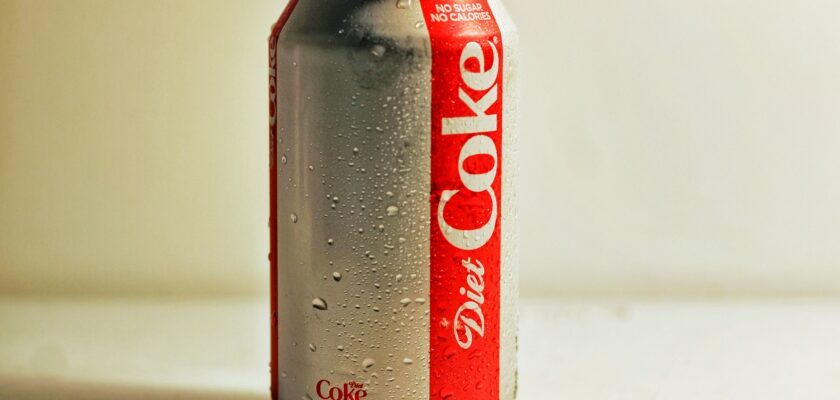
Are you falling for this ‘trick’?
For decades, food companies have marketed “diet” products as the key to weight loss and better health. Low-fat cookies, sugar-free sodas, and artificially flavored protein bars fill grocery store shelves, promising guilt-free indulgence. But here’s the truth many Americans don’t realize: these so-called “health” foods may be doing more harm than good.
The Problem with ‘Diet’ Foods
1. Hidden Sugars and Artificial Sweeteners
Many “low-fat” and “sugar-free” foods compensate for lost flavor by adding artificial sweeteners, syrups, or chemical additives. While they may cut calories, studies show these substitutes can disrupt metabolism, trigger cravings, and even cause digestive issues.
2. Highly Processed Ingredients
Pre-packaged “diet” snacks often contain preservatives, hydrogenated oils, and processed starches. These ingredients can cause inflammation, spike blood sugar, and contribute to weight gain over time.
3. Misleading Labels
Terms like “lite,” “low-fat,” or “low-carb” can be deceptive. A “low-fat” yogurt may still be loaded with sugar, and a “keto-friendly” bar might be packed with unhealthy oils. Food labeling loopholes allow manufacturers to make health claims that distract from the real nutritional content.
4. Nutrient Deficiency Risk
Replacing real, whole foods with processed “diet” products can lead to a lack of essential vitamins, minerals, and fiber—nutrients critical for maintaining energy, immunity, and heart health.
Healthier Swaps That Actually Work
Instead of falling for clever marketing, here are proven, nutrient-rich alternatives that support real health:
✅ Fresh Fruits and Vegetables
Instead of artificially sweetened snacks, opt for apples, berries, carrots, or celery sticks. They’re naturally low in calories, high in fiber, and packed with antioxidants.
✅ Lean Proteins
Choose grilled chicken, turkey, eggs, or wild-caught fish instead of processed “diet” bars. Real protein keeps you full longer without hidden sugars or additives.
✅ Healthy Fats
Avocados, nuts, seeds, and olive oil provide healthy fats that improve heart health and support brain function—without the harmful trans fats found in processed “diet” foods.
✅ Whole Grains
Brown rice, quinoa, and steel-cut oats offer slow-releasing energy and support digestion, unlike refined “diet” crackers or bread.
Why This Matters Now
As Americans age, metabolism slows and nutrient needs increase. Relying on processed “diet” foods can lead to weight gain, higher blood pressure, and increased risk for diabetes—the exact opposite of their intended purpose.
The good news? By ditching the fake “health” foods and embracing whole, natural ingredients, you can improve energy, protect your heart, and maintain a healthy weight—without feeling deprived.
Bottom Line:
Don’t let flashy packaging or trendy health claims fool you. True wellness comes from real, whole foods—not chemically engineered “diet” products. Read labels carefully, cook at home when possible, and remember: if your grandparents wouldn’t recognize it as food, it probably isn’t the best choice for your plate.
💡 Pro Tip: When in doubt, shop the perimeter of the grocery store—produce, meats, dairy, and fresh bakery—where real food lives, and avoid the center aisles packed with ultra-processed “diet” traps.

