
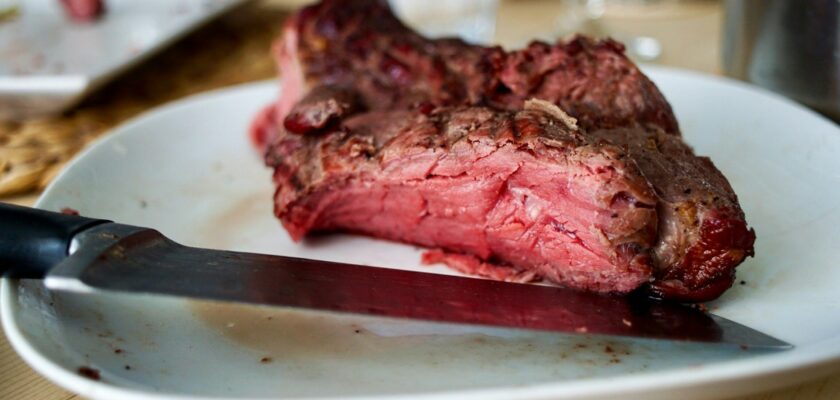
Not all meat is the same.
Meat can be a valuable source of protein, vitamins, and minerals, but not all types of meat are created equal when it comes to health. Understanding the nutritional profiles and potential health implications of different types of meat can help you make informed dietary choices. Here’s a look at the healthiest and least healthy types of meat.
Healthiest Types of Meat
1. Poultry
- Chicken and Turkey: Skinless chicken and turkey breasts are excellent sources of lean protein, low in saturated fat, and rich in essential nutrients like B vitamins and selenium. They are versatile and can be prepared in numerous healthy ways, such as grilling or baking.
2. Fish and Seafood
- Fatty Fish (e.g., Salmon, Mackerel, Sardines): Rich in omega-3 fatty acids, fatty fish are beneficial for heart health and can help reduce inflammation. They also provide high-quality protein and essential vitamins, such as vitamin D and B12.
- Shellfish (e.g., Shrimp, Oysters): Low in calories and high in nutrients like zinc and vitamin B12, shellfish can be a nutritious addition to your diet when prepared healthily.
3. Lean Cuts of Red Meat
- Beef (e.g., Tenderloin, Sirloin): While red meat can be higher in saturated fats, lean cuts can be a good source of iron, zinc, and B vitamins. Moderation is key, and choosing grass-fed options can provide additional health benefits.
4. Game Meat
- Venison and Bison: These meats tend to be leaner than conventional beef and are often raised with fewer hormones and antibiotics. They are high in protein and contain healthy omega-3 fatty acids.
Moderately Healthy Options
1. Pork
- Lean Cuts (e.g., Tenderloin, Loin Chops): Lean pork can be a good source of protein and essential nutrients. However, processed pork products (like bacon and sausages) often contain added sodium and preservatives.
2. Processed Meats
- Turkey Bacon and Chicken Sausages: While these can be lower in fat than traditional bacon and sausages, they often contain sodium and preservatives. Choose minimally processed options when possible.
Least Healthy Types of Meat
1. Processed Meats
- Hot Dogs, Bacon, and Salami: These meats are often high in saturated fats, sodium, and preservatives like nitrates, which have been linked to an increased risk of heart disease and certain cancers. Limiting their consumption is advisable.
2. Fatty Cuts of Red Meat
- Ribs, T-Bone Steak: These cuts can be high in saturated fats and calories, contributing to health issues when consumed in excess. Regular intake may increase the risk of heart disease and certain cancers.
3. Fried Meats
- Fried Chicken and Fish: While the meat itself may be lean, frying adds unhealthy fats and calories, diminishing the overall nutritional value. Opt for baked or grilled options instead.
Tips for Healthier Meat Choices
- Choose Lean Cuts: Look for cuts labeled “loin” or “round,” which tend to be leaner.
- Mind Your Portions: Keep serving sizes moderate—about the size of your palm.
- Cooking Methods Matter: Opt for grilling, baking, steaming, or broiling instead of frying.
- Incorporate Plant-Based Proteins: Consider reducing meat consumption by incorporating beans, legumes, and nuts for added nutrients and fiber.
Conclusion
Incorporating a variety of meats into your diet can provide essential nutrients, but choosing the right types and preparation methods is crucial for maintaining health. Lean meats, fish, and poultry are generally healthier choices, while processed and fatty meats should be limited. By making informed decisions, you can enjoy the benefits of meat while minimizing potential health risks.

