
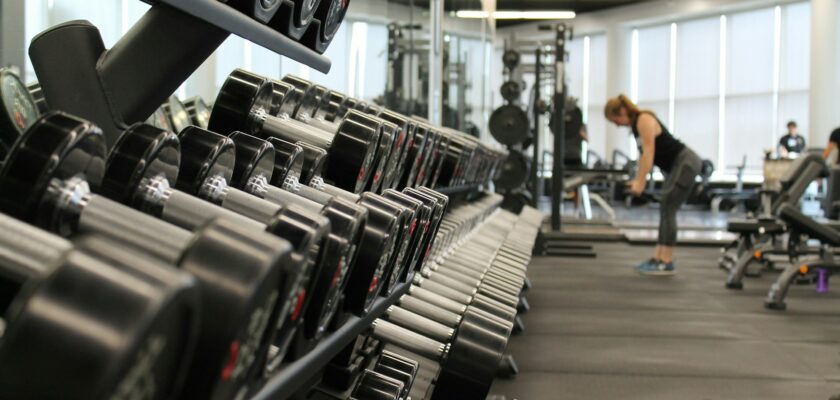
Exercise is about more than just weight management.
Aging is an inevitable part of life, but maintaining an active lifestyle can profoundly impact the quality of those later years. Regular exercise is essential for older adults, offering numerous physical, mental, and social benefits. Here, we explore why staying active in old age is crucial and how it can lead to a healthier, more fulfilling life.
1. Improving Physical Health
As we age, our bodies undergo various changes that can affect mobility, strength, and overall health. Exercise plays a pivotal role in mitigating these changes:
- Maintaining Muscle Mass and Strength: Aging leads to sarcopenia, a natural decline in muscle mass. Strength training and resistance exercises help preserve muscle mass, enhance strength, and improve functional abilities.
- Enhancing Cardiovascular Health: Regular aerobic exercise, such as walking, swimming, or cycling, strengthens the heart and improves circulation. This reduces the risk of heart disease, hypertension, and stroke.
- Boosting Bone Density: Weight-bearing exercises, like walking or weightlifting, can slow the loss of bone density associated with aging, lowering the risk of osteoporosis and fractures.
- Managing Weight: Regular physical activity helps regulate body weight, reducing the risk of obesity and associated conditions such as diabetes and joint problems.
2. Supporting Mental Health
The benefits of exercise extend beyond physical well-being to include significant mental health improvements:
- Cognitive Function: Exercise enhances brain health by increasing blood flow and promoting the growth of new neural connections. This can improve memory, attention, and executive functions, and may reduce the risk of cognitive decline and diseases such as Alzheimer’s.
- Emotional Well-being: Physical activity triggers the release of endorphins, which are natural mood lifters. This can help reduce symptoms of depression and anxiety, fostering a more positive outlook on life.
- Sleep Quality: Regular exercise can improve sleep patterns, helping older adults fall asleep faster and enjoy deeper, more restorative sleep.
3. Enhancing Social Connections
Exercise often involves social interactions, which are vital for mental and emotional health:
- Building Community: Participating in group activities, such as fitness classes, walking groups, or sports clubs, provides opportunities to meet new people and build a sense of community.
- Reducing Isolation: Engaging in social exercise activities can combat loneliness and social isolation, which are common issues among older adults and can have severe health implications.
4. Promoting Independence and Quality of Life
Staying active helps older adults maintain their independence and perform daily activities with greater ease:
- Mobility and Balance: Exercise improves flexibility, balance, and coordination, reducing the risk of falls, a leading cause of injury in older adults.
- Daily Functioning: Regular physical activity enhances the ability to perform everyday tasks, such as climbing stairs, carrying groceries, or playing with grandchildren, contributing to a higher quality of life.
5. Tailoring Exercise to Individual Needs
It’s important for older adults to choose activities that suit their fitness levels and health conditions:
- Consulting Healthcare Providers: Before starting any exercise program, older adults should consult healthcare professionals to ensure safety and get personalized recommendations.
- Low-Impact Options: For those with joint issues or other health concerns, low-impact exercises like swimming, tai chi, or yoga can be beneficial.
- Consistency Over Intensity: Consistency is key; even moderate, regular physical activity can yield significant health benefits.
Conclusion
Exercise is a powerful tool for enhancing health and well-being at any age, but it becomes especially crucial in later years. By staying active, older adults can enjoy improved physical health, sharper mental faculties, enriched social interactions, and a greater sense of independence. Embracing a physically active lifestyle is not just about adding years to life but adding life to years.

