
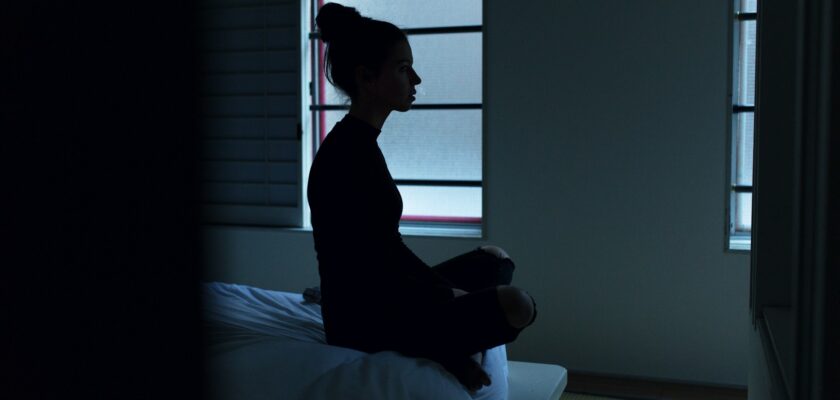
Did you realize this could be triggering your insomnia?
If you’ve been struggling to fall asleep at night, the culprit may not be stress, caffeine, or late-night snacks. Surprisingly, one common item in your bedroom might secretly be sabotaging your rest and keeping you wide awake.
The Hidden Sleep Disruptor: Your Smartphone
Studies show that smartphones, tablets, and even LED alarm clocks emit blue light, which interferes with your body’s natural sleep hormone, melatonin. This light tricks your brain into believing it’s still daytime, delaying your body’s ability to wind down. The result? Restlessness, difficulty falling asleep, and frequent nighttime awakenings.
Many people keep their phones on the nightstand for convenience—whether for late scrolling, alarms, or quick checks of notifications. But sleep experts warn that this small habit could lead to chronic insomnia, reduced REM sleep, and even long-term health issues like anxiety and depression.
Why Blue Light Affects Your Brain
Blue light penetrates deep into the eye and stimulates the part of the brain responsible for regulating circadian rhythms. This throws off your natural body clock, leading to irregular sleep cycles. Over time, disrupted sleep can contribute to:
- Weakened immune system
- Weight gain and slower metabolism
- Cognitive decline and memory problems
- Increased risk of heart disease and diabetes
Other Bedroom Sleep Triggers You Might Overlook
While screens are the top offender, they’re not the only issue in your bedroom. Other everyday items can also interfere with your sleep, including:
- Bright digital alarm clocks – Constant glowing light can confuse your brain and disrupt melatonin production.
- TVs in the bedroom – Late-night shows or news can keep your mind alert instead of winding down.
- Overhead LED lighting – Harsh light in the evening can suppress sleep signals.
How to Fix It and Finally Sleep Better
The good news is that small changes can make a big difference for your sleep quality:
- Remove electronics from your nightstand – Charge your phone in another room.
- Use blackout curtains – Block streetlights or passing cars that may disturb your rest.
- Switch to warm light bulbs – Avoid bright white LEDs at night.
- Try blue-light blocking glasses – If you must use your phone before bed, these can help reduce strain.
- Establish a bedtime ritual – Reading a physical book, light stretching, or deep breathing helps train your brain to relax.
Final Thoughts
If you’re tossing and turning at night, don’t just blame stress or bad luck—look at your bedroom setup. That glowing screen on your nightstand may be the reason you’re staring at the ceiling at 2 a.m. By making simple changes to reduce light exposure, you can fall asleep faster, stay asleep longer, and wake up feeling truly refreshed.

