
High blood pressure—also known as hypertension—is often called the “silent killer” for a reason.
Millions of Americans live with it every day and don’t even realize it. By the time clear symptoms appear, serious damage may already be underway.
For adults over 50 especially, recognizing the early warning signs can make all the difference. Below are five subtle symptoms of high blood pressure that many people overlook—and what they could mean for your long-term health.
1. Frequent Mild Headaches
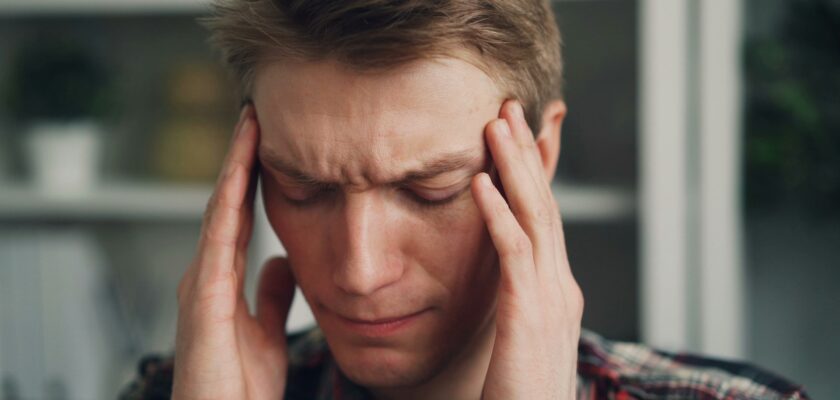
Not all headaches are created equal. While severe headaches often grab attention, mild, recurring headaches—especially in the morning—can be an early sign of elevated blood pressure.
These headaches may feel like a dull pressure or tightness around the head. Because they’re not debilitating, many people brush them off as stress or poor sleep.
Why it matters: Consistent pressure in your blood vessels can trigger headaches over time, signaling your body is under strain.
2. Shortness of Breath During Light Activity
Feeling winded after climbing stairs or doing simple chores? While aging can reduce stamina, unusual breathlessness may point to high blood pressure affecting your heart and lungs.
What to watch for:
- Needing frequent breaks during normal activities
- Feeling “out of breath” faster than usual
- Light chest tightness without intense exertion
Why it matters: Hypertension can make your heart work harder, reducing efficiency and oxygen delivery.
3. Blurred or Changing Vision
Your eyes can reveal more about your health than you think. Subtle vision changes—like occasional blurriness or difficulty focusing—can be linked to blood pressure issues.
Common signs include:
- Trouble reading fine print
- Temporary blurry vision
- Increased eye strain
Why it matters: High blood pressure can damage tiny blood vessels in the eyes, a condition sometimes called hypertensive retinopathy.
4. Unexplained Fatigue
We all feel tired from time to time—but persistent, unexplained fatigue may be more than just aging or a busy schedule.
If your energy levels have dropped without a clear reason, it could be related to how your heart is coping with increased pressure.
Why it matters: When your cardiovascular system is under stress, your body has to work harder to function—leading to ongoing tiredness.
5. Nosebleeds That Seem Random
Occasional nosebleeds happen—but if they occur more frequently without a clear cause (like dry air or injury), it may be worth paying attention.
Why it matters: Elevated blood pressure can weaken delicate blood vessels in the nose, making them more prone to bleeding.
Why High Blood Pressure Often Goes Undetected
One of the biggest dangers of hypertension is that it rarely causes obvious symptoms early on. Many people feel “perfectly fine” until a serious event—like a heart attack or stroke—occurs.
That’s why regular monitoring is critical, especially for adults over 50.
When to Take Action
If you’ve noticed one or more of these symptoms, don’t panic—but don’t ignore them either. Consider:
- Checking your blood pressure at home or a pharmacy
- Scheduling a routine check-up with your doctor
- Monitoring lifestyle factors like diet, salt intake, and activity levels
Simple Steps to Support Healthy Blood Pressure
Making small, consistent changes can have a big impact:
- Eat more whole foods (fruits, vegetables, lean proteins)
- Reduce sodium intake
- Stay physically active (even light walking helps)
- Manage stress levels
- Maintain a healthy weight
Final Thoughts
High blood pressure doesn’t always announce itself loudly—but your body often sends quiet signals. The key is knowing what to look for.
By recognizing these subtle symptoms early, you can take proactive steps to protect your heart, your brain, and your overall quality of life.
Tip for Readers: If it’s been more than six months since your last blood pressure check, now is a great time to make it a priority. Your future health may depend on it.
Medical Disclaimer:
This article is for informational and educational purposes only and is not intended to serve as medical advice, diagnosis, or treatment. Always consult with a qualified healthcare professional or your physician before making any changes to your health routine, especially if you have existing medical conditions or are taking medications. Do not disregard professional medical advice or delay seeking it because of something you have read here. If you believe you may have a medical emergency, call your doctor or emergency services immediately.

