
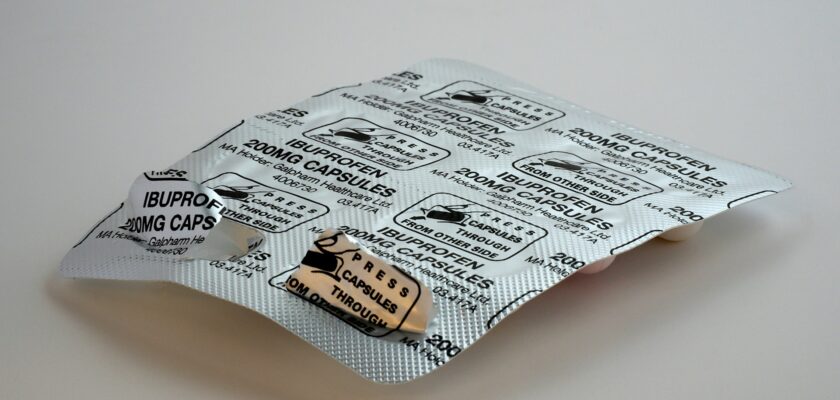
Discover Safer Alternatives for Pain Relief That Won’t Put Your Health at Risk
For millions of Americans over 50, reaching for ibuprofen has become a daily habit to manage chronic aches and pains. It’s marketed as safe, fast, and effective—but new research and growing concerns among health professionals are changing the way we look at long-term use of this common over-the-counter drug. Doctors are now urging people over 50 to rethink their daily ibuprofen routine—and for good reason.
1. Hidden Risks to Your Heart and Kidneys
Ibuprofen belongs to a class of drugs called NSAIDs (nonsteroidal anti-inflammatory drugs). While these medications reduce inflammation and pain, they can increase the risk of heart attacks and strokes, especially in older adults. A 2024 study published in the American Journal of Cardiology found that adults over 50 who regularly used ibuprofen had a 20% higher risk of cardiovascular events compared to non-users.
Ibuprofen also puts added strain on the kidneys, which naturally decline in function with age. Long-term use can accelerate kidney damage, sometimes leading to chronic kidney disease—a condition that’s often symptomless until it’s advanced.
2. Gut Damage and Internal Bleeding
Another overlooked danger is gastrointestinal bleeding. Daily ibuprofen can erode the protective lining of your stomach, leading to ulcers, irritation, or even serious internal bleeding. According to the Mayo Clinic, people over 50 are at significantly higher risk of these complications, particularly if they’re also taking blood thinners or have a history of digestive issues.
Some signs of ibuprofen-related GI damage include:
- Chronic indigestion or stomach pain
- Black or tarry stools
- Unexplained fatigue (a sign of internal bleeding)
If you’re experiencing any of these symptoms, it’s critical to speak with a healthcare provider immediately.
3. It Can Mask Bigger Health Problems
Ibuprofen may help you power through a sore back or stiff knees—but it can also cover up the symptoms of more serious issues. Chronic pain is your body’s warning system. By dulling it daily, you might delay necessary treatment for arthritis, spinal conditions, or even cardiac problems. Doctors emphasize that pain relief should never be used as a long-term substitute for diagnosis and treatment.
4. Healthier, Safer Alternatives After 50
Instead of relying on daily ibuprofen, many experts recommend safer, long-term strategies to manage inflammation and pain naturally:
- Turmeric and Omega-3 Supplements: Natural anti-inflammatories shown to reduce joint pain.
- Stretching and Low-Impact Exercise: Gentle movement can improve mobility and circulation.
- Anti-Inflammatory Diet: Foods like salmon, leafy greens, and berries can naturally reduce inflammation.
- Physical Therapy: Targeted rehabilitation often offers lasting relief without medication.
5. Talk to Your Doctor Before You Stop—But Don’t Wait
While ibuprofen is available without a prescription, that doesn’t mean it’s safe to take daily—especially past 50. Never stop a medication cold turkey without speaking to your healthcare provider, particularly if you’ve been using it for months or years. Your doctor can help you taper off safely and suggest appropriate alternatives based on your personal health history.
Final Thoughts: It’s Time to Rethink Your Medicine Cabinet
Just because ibuprofen is easy to buy doesn’t mean it’s risk-free. For those over 50, daily use may be doing more harm than good. With safer, natural options available—and expert medical guidance—you can manage pain without putting your long-term health at risk.
✅ Stay informed. Stay healthy. Talk to your doctor today about your pain management plan.

