
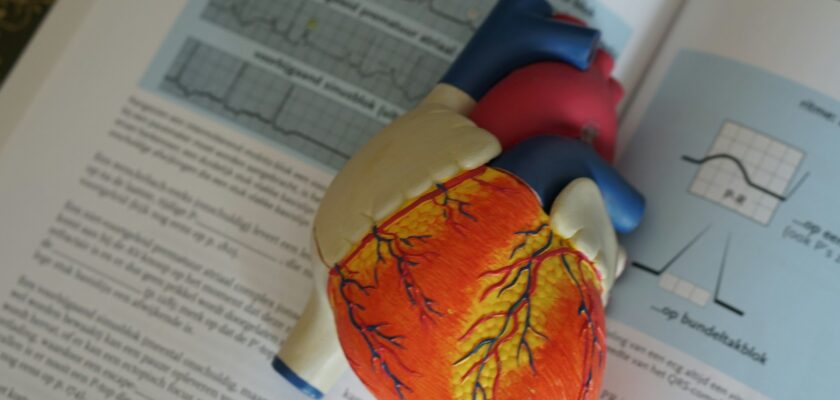
Your resting heart rate is one of the simplest health measurements you can track, yet it can reveal a surprising amount about your overall well-being.
While many people focus on blood pressure, cholesterol levels, or weight, your resting heart rate may offer important clues about your cardiovascular health, fitness level, stress levels, and even potential health risks.
Understanding what your resting heart rate means—and knowing when it may signal a problem—can help you take a more proactive approach to your health.
What Is Resting Heart Rate?
Resting heart rate (RHR) refers to the number of times your heart beats per minute when you are completely at rest. It is typically measured after waking up in the morning before getting out of bed or after sitting quietly for several minutes.
For most adults, a normal resting heart rate falls between 60 and 100 beats per minute (BPM). However, what’s considered “normal” can vary based on age, fitness level, medications, and overall health.
Athletes and highly active individuals often have resting heart rates below 60 BPM because their hearts work more efficiently.
Why Resting Heart Rate Matters
Your heart is responsible for pumping oxygen-rich blood throughout your body. The more efficiently it performs this task, the fewer beats it needs to maintain normal circulation.
A lower resting heart rate generally indicates better cardiovascular fitness and heart efficiency. On the other hand, a consistently elevated resting heart rate may be associated with certain health concerns.
Researchers have found that higher resting heart rates may be linked to:
- Increased risk of heart disease
- Higher risk of stroke
- Elevated blood pressure
- Poor physical fitness
- Chronic stress
- Increased risk of premature death
While a single reading is not cause for alarm, tracking trends over time can provide valuable insight into your health.
What Different Resting Heart Rate Ranges May Mean
Below 60 BPM
A resting heart rate below 60 BPM is often seen in:
- Endurance athletes
- Physically fit adults
- People who exercise regularly
However, if a low heart rate is accompanied by symptoms such as dizziness, fatigue, fainting, or shortness of breath, it could indicate an underlying heart rhythm issue and should be evaluated by a healthcare provider.
60–80 BPM
Many health experts consider this range ideal for most adults.
People within this range often have:
- Good cardiovascular health
- Healthy fitness levels
- Lower risk factors for heart disease
Maintaining a healthy lifestyle can help keep your resting heart rate in this range.
80–100 BPM
Although still considered normal, a resting heart rate in the upper portion of the normal range may warrant attention if it remains elevated over time.
Possible causes include:
- Stress
- Poor sleep
- Dehydration
- Lack of exercise
- Smoking
- Excess caffeine intake
- Certain medications
Above 100 BPM
A resting heart rate above 100 BPM is known as tachycardia.
Potential causes include:
- Fever
- Anxiety
- Heart conditions
- Thyroid disorders
- Anemia
- Dehydration
- Infection
If your resting heart rate regularly exceeds 100 BPM, consult a healthcare professional for evaluation.
Factors That Affect Resting Heart Rate
Many everyday factors can influence your resting heart rate.
Physical Fitness
Regular exercise strengthens the heart muscle, allowing it to pump more blood with each beat.
Stress and Anxiety
When you’re stressed, your body releases hormones such as adrenaline that can increase your heart rate.
Sleep Quality
Poor sleep can elevate resting heart rate and increase strain on the cardiovascular system.
Hydration
Dehydration forces the heart to work harder, often leading to a higher pulse.
Age
Resting heart rate tends to change slightly throughout life and may increase with age.
Medications
Some medications can raise or lower heart rate as a side effect.
How to Measure Your Resting Heart Rate
Measuring your resting heart rate is simple.
- Wake up and remain in bed.
- Place two fingers on your wrist or neck.
- Count your pulse for 30 seconds.
- Multiply the number by two.
You can also use fitness trackers, smartwatches, or heart rate monitors to track your resting heart rate automatically.
For the most accurate results, measure it at the same time each morning.
Ways to Improve Your Resting Heart Rate
If your resting heart rate is consistently higher than you’d like, lifestyle changes may help.
Exercise Regularly
Aerobic activities such as walking, swimming, cycling, and jogging can strengthen your heart over time.
Manage Stress
Meditation, deep breathing, prayer, yoga, and mindfulness practices may help reduce heart rate and improve overall wellness.
Get Better Sleep
Aim for seven to nine hours of quality sleep each night.
Stay Hydrated
Proper hydration supports healthy circulation and heart function.
Limit Tobacco and Excessive Alcohol
Both can increase heart rate and negatively affect cardiovascular health.
Maintain a Healthy Weight
Carrying excess weight forces the heart to work harder and may contribute to a higher resting heart rate.
When to Talk to Your Doctor
While occasional fluctuations are normal, you should speak with a healthcare professional if:
- Your resting heart rate suddenly changes significantly
- It consistently exceeds 100 BPM
- It falls unusually low and causes symptoms
- You experience chest pain, dizziness, or shortness of breath
These symptoms may indicate an underlying condition that requires medical attention.
The Bottom Line
Your resting heart rate is more than just a number. It serves as a valuable window into your overall health and cardiovascular fitness. Monitoring it regularly can help you identify trends, improve your wellness habits, and potentially detect health issues before they become serious.
By staying active, managing stress, sleeping well, and maintaining a healthy lifestyle, you can support a healthier resting heart rate and a healthier heart overall.

