
What Older Adults Need to Know for a Healthy, Balanced Diet
As we age, our bodies change—and so do our nutritional needs. One of the biggest debates for Americans over 50 is whether red meat still has a place on the plate. It’s tasty, packed with protein, and rich in iron. But too much of a good thing can quickly become a health risk. So the question remains: how much red meat is too much after 50?
Let’s break it down.
✅ The Good: Why Red Meat Isn’t All Bad
Red meat—like beef, lamb, and pork—isn’t just about flavor. It’s a nutritional powerhouse when consumed in moderation. Here’s what it brings to the table:
- Protein for Muscle Maintenance: Aging causes natural muscle loss (called sarcopenia). Red meat provides high-quality protein to help preserve strength and mobility.
- Iron and B12: Both nutrients are critical in preventing fatigue, brain fog, and anemia—common issues for older adults.
- Zinc for Immunity: Zinc levels decline with age, weakening the immune system. Red meat helps replenish this vital mineral.
❌ The Risks: Why Too Much Red Meat Can Be Dangerous
After 50, the risks of heart disease, high blood pressure, and colon cancer increase—and unfortunately, excess red meat can raise those risks. Especially processed meats like bacon, sausages, and deli meats.
Here’s what studies show:
- Eating more than 18 ounces (cooked) of red meat per week may increase the risk of colorectal cancer, according to the American Institute for Cancer Research.
- High consumption of saturated fats (found in fatty cuts of meat) is linked to heart disease and cognitive decline.
- Processed meats have been classified as a Group 1 carcinogen by the World Health Organization.
🥩 How Much Red Meat Is Safe After 50?
The sweet spot for adults over 50?
Stick to no more than 3 servings per week, or around 12–18 ounces (cooked) in total.
💡 A single serving is about the size of a deck of cards.
Try to follow the “less is more” rule:
- Choose lean cuts like sirloin, tenderloin, or 90% lean ground beef.
- Avoid processed meats as much as possible.
- Balance your plate with fiber-rich veggies, whole grains, and heart-healthy fats like olive oil.
🥗 Red Meat Alternatives That Still Deliver Protein
Want to cut back without sacrificing nutrition? Try these age-friendly options:
- Wild-caught salmon – rich in omega-3s for heart and brain health.
- Free-range chicken or turkey
- Eggs and Greek yogurt
- Beans, lentils, and quinoa – great for gut health and cholesterol
⚖️ Final Thoughts: It’s All About Balance
You don’t need to give up red meat completely—but you do need to be smart about how much and what kind. After 50, your diet should support heart health, digestion, muscle strength, and mental clarity.
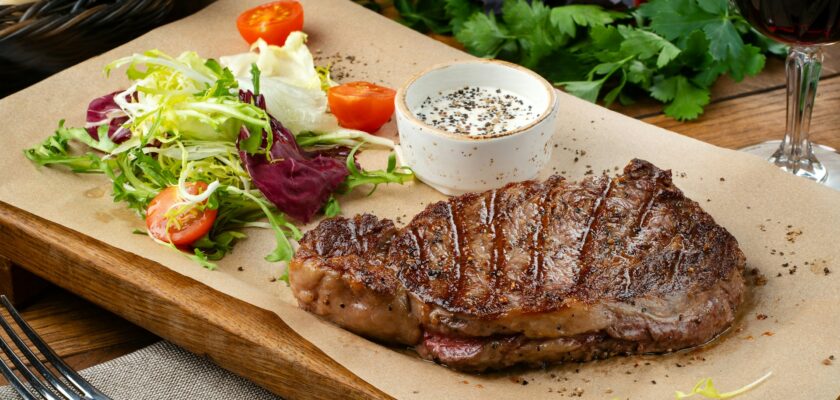
🥩 Yes, you can enjoy a juicy steak—just not every night.
📌 Quick Takeaways:
- Limit red meat to no more than 18 oz cooked per week
- Avoid processed meats like bacon and salami
- Prioritize lean cuts and plant-based options
- Focus on variety and moderation for optimal health after 50
Stay strong, stay sharp, and eat smart.
Your golden years are the perfect time to take control of your health—and it starts at the dinner table.

