
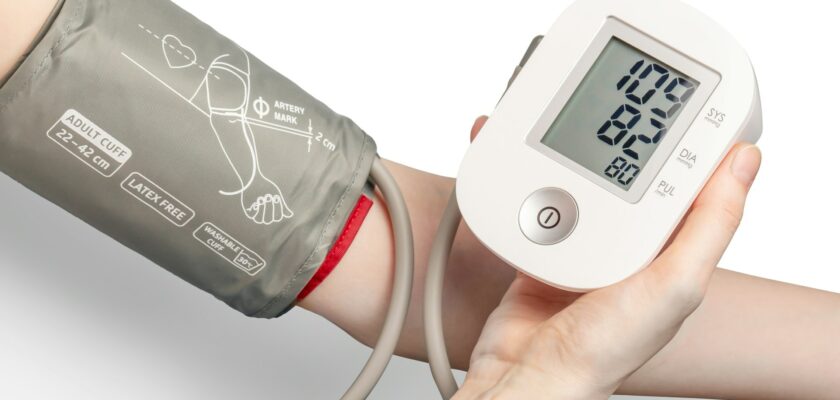
Here are some signs you should look out for and always remember to stay in close contact with your doctor.
High blood pressure, also known as hypertension, is often called the “silent killer” because it typically has no symptoms, yet it can lead to serious health complications if left unmanaged. This condition affects millions of people worldwide and is a major risk factor for heart disease, stroke, and other cardiovascular issues. While it may not manifest obvious symptoms in its early stages, there are some signs that may indicate you have high blood pressure. Recognizing these signs and seeking timely medical attention is crucial for maintaining your overall health and well-being.
Here are some signs that may indicate you have high blood pressure:
- Headaches: While headaches are a common ailment, frequent or severe headaches, particularly at the back of the head, can sometimes be a sign of high blood pressure. These headaches may be accompanied by dizziness or blurred vision.
- Fatigue: Persistent fatigue or feelings of weakness can sometimes be linked to high blood pressure. When your heart has to work harder to pump blood through narrowed arteries, it can leave you feeling tired and lethargic.
- Nosebleeds: While occasional nosebleeds are usually harmless and can be caused by various factors, frequent or unexplained nosebleeds may indicate high blood pressure, especially if they occur without any apparent cause.
- Shortness of breath: Difficulty breathing or shortness of breath, especially during physical activity or exertion, may be a sign of high blood pressure. This symptom occurs because your heart is struggling to pump blood efficiently throughout your body.
- Chest pain: Chest pain or tightness, also known as angina, can be a symptom of high blood pressure, particularly if it occurs during physical activity or stress. This discomfort may feel like a squeezing sensation in the chest, neck, jaw, shoulders, or arms.
- Vision problems: High blood pressure can damage the blood vessels in the eyes, leading to vision problems such as blurry vision, double vision, or even vision loss in severe cases. If you experience sudden changes in your vision, it’s essential to consult a healthcare professional promptly.
- Difficulty sleeping or insomnia: Sleep disturbances, including difficulty falling asleep or staying asleep, may be associated with high blood pressure. The relationship between sleep and blood pressure is complex, but untreated hypertension can disrupt normal sleep patterns.
- Irregular heartbeat: High blood pressure can cause an irregular heartbeat, also known as arrhythmia. You may feel palpitations, fluttering, or a rapid heartbeat, especially during times of stress or physical exertion.
It’s important to note that while these signs may indicate high blood pressure, they can also be caused by other health conditions. Therefore, if you experience any of these symptoms, it’s crucial to consult a healthcare professional for an accurate diagnosis and appropriate treatment.
Additionally, regular blood pressure screenings are essential for detecting hypertension early, even in the absence of symptoms. Monitoring your blood pressure regularly and adopting a healthy lifestyle, including maintaining a balanced diet, engaging in regular physical activity, managing stress, limiting alcohol consumption, and avoiding tobacco use, can help prevent high blood pressure and its complications.
In conclusion, while high blood pressure often presents no symptoms, there are signs that may indicate you have this condition. Being aware of these signs, monitoring your blood pressure regularly, and seeking medical advice when necessary are vital steps in managing your cardiovascular health and reducing the risk of hypertension-related complications.

