
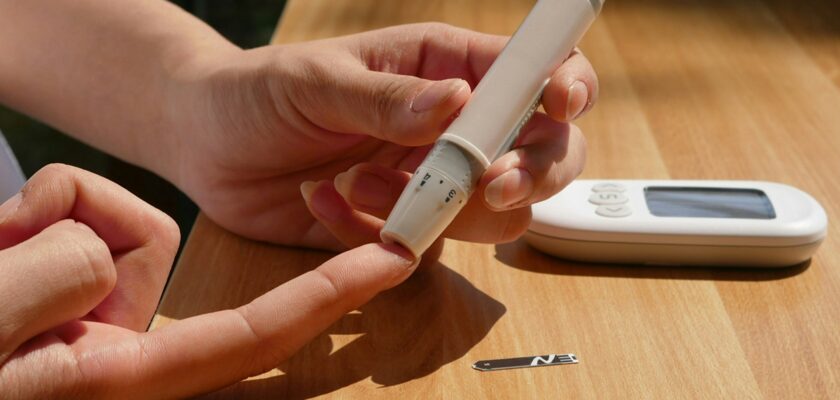
Millions of Americans are living with prediabetes without even realizing it.
Because the condition often develops gradually, many people don’t notice the warning signs until blood sugar levels have been elevated for years. Learning what prediabetes symptoms can look like may help you recognize potential problems early and take steps to reduce your risk of developing Type 2 diabetes.
The good news is that prediabetes is often reversible with healthy lifestyle changes. Knowing what to watch for can make all the difference.
What Is Prediabetes?
Prediabetes is a health condition in which blood sugar (glucose) levels are higher than normal but not yet high enough to be diagnosed as Type 2 diabetes. According to the U.S. Centers for Disease Control and Prevention (CDC), more than 1 in 3 American adults has prediabetes, and the vast majority don’t know they have it.
Without treatment, many people with prediabetes eventually develop Type 2 diabetes. However, early detection and lifestyle improvements can significantly lower that risk.
Does Prediabetes Always Cause Symptoms?
One of the biggest challenges is that prediabetes often causes no noticeable symptoms.
Many people feel perfectly healthy while their blood sugar slowly rises. In many cases, prediabetes is discovered only during a routine physical exam or blood test.
Still, some individuals do experience subtle warning signs that shouldn’t be ignored.
Common Prediabetes Symptoms
While symptoms vary from person to person, several warning signs may indicate that blood sugar levels are becoming elevated.
1. Increased Thirst
Feeling unusually thirsty throughout the day may be one of the earliest signs of rising blood sugar.
When glucose levels increase, the kidneys work harder to remove excess sugar through urine, causing the body to lose more fluids and leading to dehydration.
2. Frequent Urination
If you’re making more trips to the bathroom than usual—especially overnight—it could be related to elevated blood sugar.
This symptom often goes hand-in-hand with increased thirst.
3. Constant Fatigue
Many people with prediabetes report feeling unusually tired.
Although glucose is your body’s primary energy source, insulin resistance can make it harder for cells to use that energy effectively, leaving you feeling exhausted even after getting enough sleep.
4. Blurred Vision
Temporary blurry vision can occur when elevated blood sugar causes fluid shifts in the lenses of the eyes.
Although this symptom may come and go, recurring vision changes should always be evaluated by a healthcare professional.
5. Increased Hunger
Some people notice they feel hungry shortly after eating.
Because the body’s cells aren’t efficiently using glucose, your brain may continue signaling hunger even when you’ve recently had a meal.
6. Slow-Healing Cuts and Scrapes
Minor injuries that take longer than usual to heal may sometimes be associated with elevated blood sugar.
High glucose levels can affect circulation and the body’s ability to repair damaged tissue.
7. Dark Patches of Skin
One of the more recognizable signs of insulin resistance is a condition called acanthosis nigricans.
These dark, velvety patches of skin often appear around the:
- Neck
- Armpits
- Groin
- Elbows
- Knees
While not everyone with these skin changes has prediabetes, they can be an important warning sign.
8. Tingling or Numbness
Some people begin experiencing mild tingling, burning, or numbness in their hands or feet before developing diabetes.
Although nerve damage is more common in diabetes, early changes may begin during prediabetes in some individuals.
Who Is Most at Risk?
Certain factors increase the likelihood of developing prediabetes.
Risk factors include:
- Being age 45 or older
- Being overweight or obese
- Having a family history of Type 2 diabetes
- Physical inactivity
- High blood pressure
- High cholesterol
- A history of gestational diabetes
- Polycystic ovary syndrome (PCOS)
- Smoking
Even younger adults can develop prediabetes, particularly if multiple risk factors are present.
How Is Prediabetes Diagnosed?
Since symptoms are often mild—or completely absent—the only reliable way to diagnose prediabetes is through blood testing.
Common screening tests include:
- A1C test: Measures average blood sugar over the past two to three months.
- Fasting blood glucose test: Measures blood sugar after fasting overnight.
- Oral glucose tolerance test: Evaluates how the body processes sugar after drinking a glucose solution.
Routine screening is especially important for adults with known risk factors.
Can Prediabetes Be Reversed?
For many people, yes.
Prediabetes doesn’t automatically lead to diabetes. Research shows that lifestyle changes can significantly improve blood sugar control and reduce the risk of progression.
Healthy habits that may help include:
- Losing even 5% to 7% of body weight if overweight
- Exercising at least 150 minutes each week
- Eating more vegetables, fruits, whole grains, and lean proteins
- Limiting sugary beverages and highly processed foods
- Improving sleep quality
- Managing stress
- Quitting smoking if applicable
Some individuals may also benefit from medication, depending on their overall health and diabetes risk.
When Should You See a Doctor?
You should consider speaking with your healthcare provider if you:
- Have several risk factors for prediabetes
- Notice persistent thirst or frequent urination
- Experience unexplained fatigue
- Develop blurred vision
- Notice dark patches of skin
- Have slow-healing wounds
- Have a family history of diabetes
A simple blood test can often determine whether your blood sugar is within a healthy range.
Frequently Asked Questions
Can you have prediabetes without symptoms?
Yes. Most people with prediabetes experience no obvious symptoms, which is why routine screening is so important.
Is prediabetes serious?
Prediabetes increases the risk of developing Type 2 diabetes, heart disease, and stroke. Fortunately, early lifestyle changes can often reduce these risks.
How long does prediabetes last?
Prediabetes may remain stable, improve, or progress depending on lifestyle, genetics, and other health factors. Some people return their blood sugar to normal through healthy habits.
What foods help lower blood sugar?
A balanced diet rich in vegetables, whole grains, beans, lean proteins, healthy fats, and high-fiber foods can support healthy blood sugar levels. Limiting added sugars and refined carbohydrates may also help.
The Bottom Line
Prediabetes often develops quietly, making it easy to overlook until routine testing reveals elevated blood sugar. While many people experience no symptoms at all, increased thirst, frequent urination, fatigue, blurred vision, slow-healing cuts, and dark patches of skin can all be early warning signs.
The encouraging news is that prediabetes is frequently preventable—and in many cases reversible. Paying attention to potential symptoms, maintaining a healthy lifestyle, and scheduling regular health screenings can help reduce the risk of developing Type 2 diabetes and support long-term health.

