
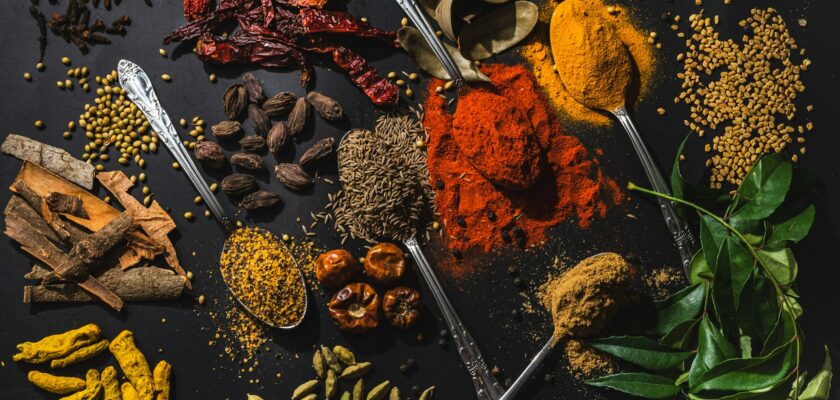
When most people think about managing blood sugar, they picture cutting back on sweets, exercising more, or avoiding processed foods.
But one common kitchen spice has been getting growing attention from researchers and health experts alike for its potential role in supporting healthy blood sugar levels: Cinnamon.
This warm, aromatic spice has been used for centuries in traditional medicine, but modern studies are now exploring whether it may offer real benefits for people looking to maintain balanced glucose levels naturally. While it’s not a miracle cure, adding cinnamon to a healthy lifestyle may provide more support than many people realize.
Why Blood Sugar Balance Matters
Blood sugar, also called blood glucose, is your body’s primary source of energy. However, when glucose levels swing too high or too low too often, it can affect energy, mood, focus, and long-term health.
Over time, unstable blood sugar levels may contribute to serious health concerns, including:
- Type 2 diabetes
- Heart disease
- Weight gain
- Fatigue
- Increased hunger and cravings
- Nerve damage
- Kidney problems
Many adults experience blood sugar spikes without realizing it, especially after meals high in refined carbohydrates or added sugars.
That’s why researchers continue searching for natural ways to help support healthier glucose regulation — and cinnamon keeps appearing in the conversation.
How Cinnamon May Help Support Healthy Blood Sugar
Several studies suggest cinnamon may help improve the body’s response to insulin, the hormone responsible for moving sugar from the bloodstream into cells for energy.
Some researchers believe cinnamon contains compounds that may:
- Help cells respond better to insulin
- Slow the breakdown of carbohydrates in the digestive tract
- Reduce blood sugar spikes after meals
- Support overall metabolic health
One of the most talked-about components in cinnamon is a plant compound called cinnamaldehyde, which gives the spice its signature flavor and aroma.
While results vary between studies, many findings suggest cinnamon may offer mild but meaningful support when combined with healthy eating and regular physical activity.
Which Type of Cinnamon Is Best?
Not all cinnamon is exactly the same. The two most common types are:
Cassia Cinnamon
This is the most widely sold variety in grocery stores and often the least expensive. It has a stronger flavor but also contains higher amounts of coumarin, a natural compound that may be harmful in very large amounts over time.
Ceylon Cinnamon
Often called “true cinnamon,” this variety contains much lower levels of coumarin and is generally considered the safer option for frequent use.
If you plan to consume cinnamon regularly, many nutrition experts recommend choosing Ceylon cinnamon when possible.
Easy Ways to Add Cinnamon to Your Diet
One reason cinnamon is so popular is because it’s simple to incorporate into everyday meals and drinks.
Here are a few easy ideas:
- Sprinkle it on oatmeal or yogurt
- Add it to coffee or tea
- Mix it into smoothies
- Use it in baked apples
- Stir it into protein shakes
- Add it to roasted sweet potatoes
- Blend it into overnight oats
Many people enjoy combining cinnamon with fiber-rich foods because fiber itself can also help support steadier blood sugar levels.
Cinnamon Is Not a Replacement for Medical Care
Although cinnamon shows promise, it’s important to keep expectations realistic.
Cinnamon alone will not “cure” diabetes or replace prescribed medications. Experts still recommend focusing on the basics of healthy living, including:
- Eating balanced meals
- Staying physically active
- Managing stress
- Getting enough sleep
- Following medical guidance
People taking diabetes medications should also speak with a healthcare professional before dramatically increasing cinnamon intake, since combining supplements with medication could potentially lower blood sugar too much.
Other Natural Habits That May Help Blood Sugar
In addition to cinnamon, several lifestyle habits may support healthier glucose control naturally:
Prioritize Protein
Protein can help slow digestion and reduce rapid blood sugar spikes after meals.
Walk After Eating
Even a short walk after meals may help the body process glucose more efficiently.
Get Better Sleep
Poor sleep has been linked to insulin resistance and higher blood sugar levels.
Reduce Sugary Drinks
Sodas, sweet tea, and sugary coffee drinks can cause rapid glucose spikes.
Eat More Fiber
Fiber-rich foods like vegetables, beans, oats, and berries may help improve blood sugar stability.
The Bottom Line
Cinnamon may be more than just a flavorful spice sitting in your kitchen cabinet. Research suggests it could offer natural support for healthier blood sugar balance, especially when combined with smart lifestyle habits.
While it’s not a substitute for proper medical treatment, adding moderate amounts of cinnamon to your daily routine may be a simple and enjoyable way to support overall wellness.
As interest in natural health continues growing, this ancient spice remains one of the most talked-about ingredients for people looking to take a more proactive approach to metabolic health.

