
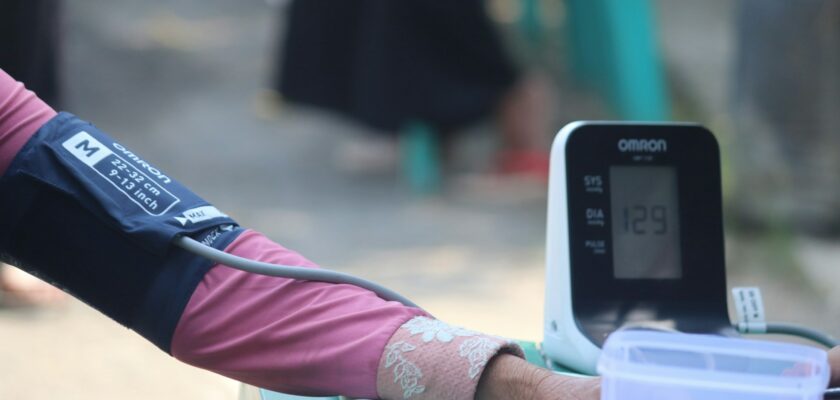
Make sure you are doing these things if you want to lower your blood pressure.
High blood pressure, or hypertension, is a common health concern that can lead to serious conditions like heart disease, stroke, and kidney damage. While medication is often prescribed to manage hypertension, there are several natural methods you can incorporate into your lifestyle to help lower your blood pressure. Here’s a comprehensive guide on how to approach it naturally.
1. Adopt a Heart-Healthy Diet
a. Embrace the DASH Diet The Dietary Approaches to Stop Hypertension (DASH) diet is specifically designed to combat high blood pressure. It emphasizes:
- Fruits and Vegetables: Rich in vitamins, minerals, and fiber, these foods help reduce blood pressure.
- Whole Grains: Foods like brown rice, oats, and whole wheat provide essential nutrients and fiber.
- Lean Proteins: Opt for sources like poultry, fish, beans, and nuts.
- Low-Fat Dairy: Choose options like skim milk or low-fat yogurt.
b. Reduce Sodium Intake Excess sodium can elevate blood pressure. Aim to consume less than 2,300 milligrams of sodium per day, and ideally, under 1,500 milligrams for those with hypertension.
c. Increase Potassium Intake Potassium helps balance sodium levels in the body. Include potassium-rich foods such as bananas, sweet potatoes, spinach, and avocados in your diet.
2. Engage in Regular Physical Activity
a. Cardiovascular Exercise Engage in activities that raise your heart rate, such as:
- Walking
- Jogging
- Cycling
- Swimming
Aim for at least 150 minutes of moderate-intensity exercise or 75 minutes of vigorous-intensity exercise each week.
b. Strength Training Incorporate strength training exercises, like lifting weights or using resistance bands, at least twice a week.
c. Practice Relaxation Techniques Regular exercise also includes activities like yoga and tai chi, which can help lower blood pressure by reducing stress.
3. Maintain a Healthy Weight
Carrying excess weight can strain your heart and elevate blood pressure. Achieving and maintaining a healthy weight through a balanced diet and regular exercise can have a significant impact on your blood pressure.
4. Limit Alcohol and Quit Smoking
a. Alcohol Moderate alcohol consumption can help manage blood pressure. For men, this means up to two drinks per day, and for women, one drink per day. However, reducing alcohol intake or abstaining altogether is ideal.
b. Smoking Smoking damages blood vessels and contributes to high blood pressure. Quitting smoking improves overall cardiovascular health and helps lower blood pressure.
5. Reduce Stress
a. Mindfulness and Meditation Practicing mindfulness and meditation can reduce stress levels and lower blood pressure. Even a few minutes a day can make a difference.
b. Adequate Sleep Aim for 7-9 hours of quality sleep each night. Poor sleep can contribute to hypertension and overall health issues.
c. Engage in Hobbies Pursue activities that you enjoy and that relax you. Whether it’s reading, gardening, or painting, finding time for leisure can help manage stress.
6. Stay Hydrated
Drinking enough water is crucial for maintaining overall health, including regulating blood pressure. Aim to drink at least 8 glasses of water a day, more if you are physically active or live in a hot climate.
7. Monitor Your Blood Pressure Regularly
Regular monitoring of your blood pressure at home can help you keep track of your progress and adjust your lifestyle habits as needed. It’s also important to have regular check-ups with your healthcare provider.
Conclusion
Lowering blood pressure naturally involves a combination of healthy eating, regular physical activity, stress management, and lifestyle changes. While these strategies can significantly impact your blood pressure, always consult with your healthcare provider before making major changes to your routine, especially if you have existing health conditions or are on medication.
By incorporating these practices into your daily life, you can take proactive steps towards better cardiovascular health and overall well-being.

