
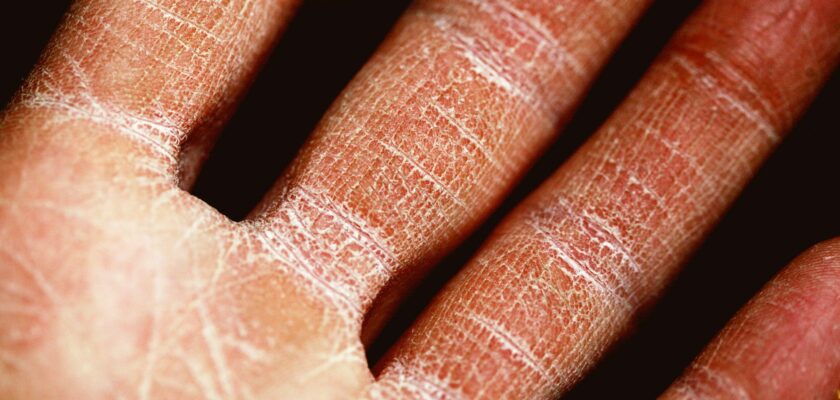
Suffering from eczema like a lot of Americans? Do this.
Eczema, also known as atopic dermatitis, is a chronic skin condition characterized by dry, itchy, and inflamed skin. While conventional treatments like topical steroids can be effective, many people seek natural remedies to complement their skincare routine. Here, we explore several natural approaches that may help alleviate eczema symptoms.
1. Moisturizing with Natural Oils
Keeping the skin well-hydrated is essential for managing eczema. Natural oils can provide moisture and form a protective barrier on the skin. Consider these options:
- Coconut Oil: Rich in fatty acids, coconut oil can hydrate the skin and has anti-inflammatory properties. Apply it directly to affected areas to soothe irritation.
- Sunflower Oil: Known for its ability to improve the skin’s barrier function, sunflower oil can reduce water loss and keep the skin moisturized. It’s ideal for daily use.
- Jojoba Oil: Similar in composition to the skin’s natural oils, jojoba oil helps maintain moisture and can reduce dryness and flakiness.
2. Oatmeal Baths
Colloidal oatmeal is a natural remedy that has been used for centuries to relieve itching and inflammation. Taking an oatmeal bath can soothe irritated skin:
- How to Use: Add finely ground oatmeal to a lukewarm bath and soak for 15-20 minutes. Pat your skin dry and apply a moisturizer immediately afterward to lock in hydration.
3. Aloe Vera
Aloe vera is celebrated for its healing properties. It can reduce inflammation, hydrate the skin, and promote healing.
- Application: Use pure aloe vera gel directly from the plant or purchase high-quality aloe products. Apply to affected areas as needed for relief from itching and redness.
4. Herbal Remedies
Certain herbs may offer additional support in managing eczema symptoms:
- Chamomile: Known for its calming properties, chamomile can help soothe irritated skin. You can use chamomile tea bags as a compress or find topical products containing chamomile.
- Calendula: This flower has anti-inflammatory properties and can be used in creams or ointments to help soothe eczema-prone skin.
5. Dietary Considerations
Diet can play a significant role in managing eczema symptoms. While triggers vary by individual, some common dietary adjustments may include:
- Anti-Inflammatory Foods: Incorporate foods rich in omega-3 fatty acids (like salmon and flaxseeds), antioxidants (such as berries and leafy greens), and healthy fats (like avocados and nuts).
- Avoiding Common Triggers: Some people find relief by avoiding dairy, gluten, nuts, or eggs. Keeping a food diary can help identify personal triggers.
6. Stress Management
Stress can exacerbate eczema symptoms, making stress management essential. Techniques such as mindfulness, meditation, and yoga can help reduce stress levels. Regular exercise can also improve overall skin health and reduce inflammation.
7. Probiotics
Emerging research suggests that probiotics may help improve skin barrier function and reduce eczema flare-ups, particularly in children. Incorporating probiotic-rich foods, such as yogurt, kefir, sauerkraut, and kimchi, may be beneficial.
Conclusion
While natural remedies can provide relief for eczema sufferers, it’s essential to remember that individual responses vary. It’s always a good idea to consult with a healthcare professional before trying new treatments, especially if you have severe eczema or are considering alternative therapies. Combining these natural approaches with proper medical care can help manage symptoms and improve your skin’s health.

