
Aging may be inevitable, but losing your strength doesn’t have to be.
Aging is often blamed for declining strength, but the truth may surprise you. While getting older does play a role, the real reason many people lose strength isn’t simply age—it’s what happens inside your body over time, combined with lifestyle changes that quietly accelerate the process.
If you’ve noticed it’s harder to lift, carry, or stay active than it used to be, you’re not alone. The good news? Much of this decline is preventable—and even reversible.
What’s Really Causing Strength Loss?
Most people assume muscle loss is inevitable with age. However, the real culprit is a condition known as sarcopenia, a gradual loss of muscle mass and function. This process typically begins as early as your 30s and accelerates after age 50.
But here’s the surprising part:
Sarcopenia is driven less by aging itself and more by inactivity, poor nutrition, and hormonal changes.
The Key Factors Behind Strength Loss
1. Reduced Muscle Use (The “Use It or Lose It” Effect)
As people age, they tend to move less—whether due to retirement, injury, or lifestyle changes. Muscles that aren’t regularly used begin to shrink and weaken.
2. Declining Protein Intake
Many older adults unknowingly eat less protein, which is essential for maintaining and repairing muscle tissue.
3. Hormonal Changes
Testosterone, growth hormone, and other key hormones that support muscle strength naturally decline with age.
4. Poor Nutrient Absorption
The body becomes less efficient at absorbing nutrients like vitamin D, magnesium, and B vitamins—all critical for muscle function.
5. Chronic Inflammation
Low-grade inflammation increases with age and can break down muscle tissue over time.
Signs You May Be Losing Strength
You might not notice muscle loss right away, but there are clear warning signs:
- Difficulty carrying groceries or lifting objects
- Slower walking speed
- Trouble standing up from a chair
- Reduced balance or increased falls
- Feeling weaker during everyday activities
Ignoring these signs can lead to more serious health risks, including loss of independence.
The Good News: You Can Reverse It
Here’s what many people don’t realize—muscle loss is not permanent. Even in your 60s, 70s, or beyond, your body can rebuild strength with the right approach.
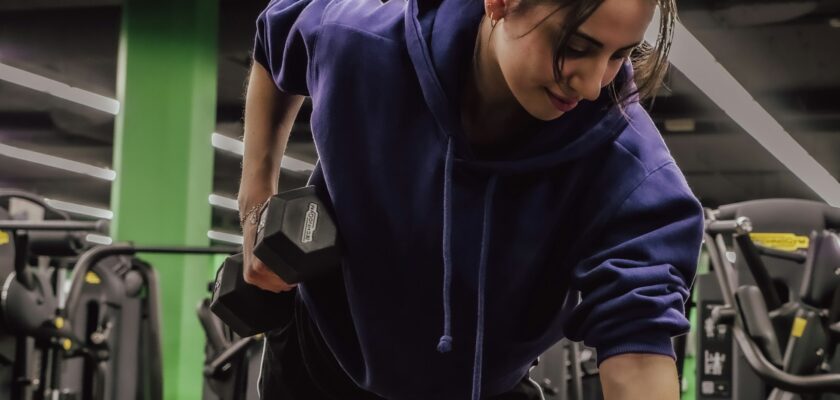
1. Strength Training Is Essential
Resistance exercises are the most powerful tool to rebuild muscle.
- Use weights, resistance bands, or bodyweight exercises
- Aim for 2–3 sessions per week
- Focus on major muscle groups (legs, arms, core)
Even light resistance can produce noticeable improvements.
2. Increase Protein Intake
Your body needs more protein as you age—not less.
- Aim for 20–30 grams of protein per meal
- Include sources like eggs, fish, chicken, beans, and Greek yogurt
- Consider a high-quality protein supplement if needed
Protein helps repair and rebuild muscle tissue efficiently.
3. Support Your Hormones Naturally
Lifestyle changes can help maintain healthy hormone levels:
- Get 7–8 hours of sleep per night
- Reduce stress levels
- Stay physically active
These factors play a major role in preserving strength.
4. Don’t Ignore Vitamin Deficiencies
Certain nutrients are critical for muscle function:
- Vitamin D – supports muscle strength and balance
- Magnesium – helps with muscle contraction
- Omega-3 fatty acids – reduce inflammation
A simple blood test can reveal deficiencies.
5. Stay Consistent With Movement
Daily activity matters just as much as workouts.
- Walk regularly
- Stretch to maintain flexibility
- Stay active throughout the day
Consistency is the key to long-term strength.
Why This Matters More Than You Think
Losing strength isn’t just about muscle—it affects your entire quality of life.
Stronger muscles mean:
- Better balance and fewer falls
- Greater independence
- Improved metabolism
- Higher energy levels
- Longer lifespan
In fact, studies show that maintaining muscle strength is one of the strongest predictors of healthy aging.
Final Thoughts
The biggest myth about aging is that weakness is unavoidable. In reality, most strength loss comes from changes you can control.
By staying active, eating the right nutrients, and supporting your body properly, you can maintain—and even rebuild—your strength well into later life.
Medical Disclaimer:
The information provided in this article is for educational and informational purposes only and is not intended as medical advice. It should not be used as a substitute for professional diagnosis, treatment, or guidance from a qualified healthcare provider. Always consult your physician or another licensed medical professional before starting any new exercise program, dietary changes, or supplementation—especially if you have a pre-existing medical condition or are taking medications. Never disregard professional medical advice or delay seeking it because of something you have read in this article.

