
Poll
Here’s a list of foods you should avoid eating raw, based on advice from registered dietitians:
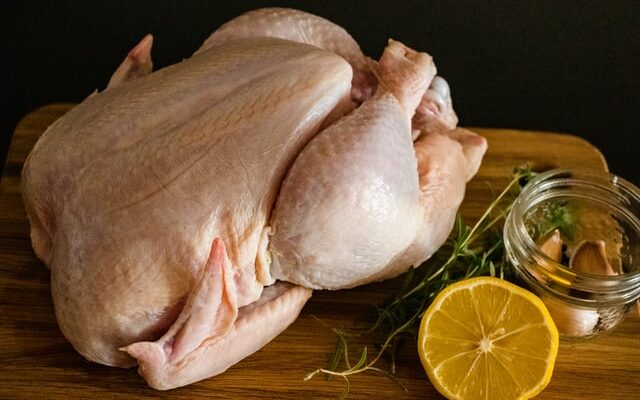
- Chicken and Other Poultry: Raw chicken can harbor harmful bacteria such as Salmonella and Campylobacter, which can cause severe food poisoning. Always cook poultry thoroughly to an internal temperature of 165°F (75°C).
- Eggs: Raw eggs may contain Salmonella, a bacteria that can lead to foodborne illness. It’s safer to cook eggs until both the yolk and white are firm, or use pasteurized eggs for recipes that call for raw eggs.
- Pork: Eating raw or undercooked pork can expose you to parasites like Trichinella, which can cause trichinosis, a serious condition with symptoms like muscle pain and fever. Pork should be cooked to an internal temperature of 145°F (63°C) and allowed to rest before consuming.
- Potatoes: Raw potatoes contain solanine, a natural toxin that can cause nausea, headaches, and other digestive issues. Cooking potatoes reduces solanine to safe levels.
- Beans (especially kidney beans): Raw or undercooked beans, particularly red kidney beans, contain a toxin called phytohaemagglutinin, which can cause severe stomach upset. Beans should be soaked and thoroughly cooked before eating.
- Mushrooms: While some mushrooms are safe to eat raw, others, like morels, contain harmful compounds that are neutralized by cooking. It’s best to cook mushrooms to avoid potential toxicity.
- Flour: Raw flour can be contaminated with harmful bacteria like E. coli. Since flour is usually not treated to kill pathogens, it’s important to cook it before consuming.
- Sprouts: Raw sprouts, including alfalfa and bean sprouts, can be a breeding ground for bacteria like Salmonella, E. coli, and Listeria. Cooking sprouts reduces the risk of foodborne illness.
- Bitter Almonds: Bitter almonds contain amygdalin, which converts to cyanide when ingested. Sweet almonds, which are commonly sold, are safe to eat, but bitter almonds must be cooked to reduce their toxicity.
- Rhubarb Leaves: Rhubarb leaves contain oxalic acid, which is highly toxic and can cause serious health issues if consumed raw. Only the stalks of rhubarb should be eaten, and even they are typically cooked.
These foods should always be cooked or properly prepared to reduce the risk of foodborne illness or toxicity. Following these guidelines can help ensure your meals are both safe and healthy.

